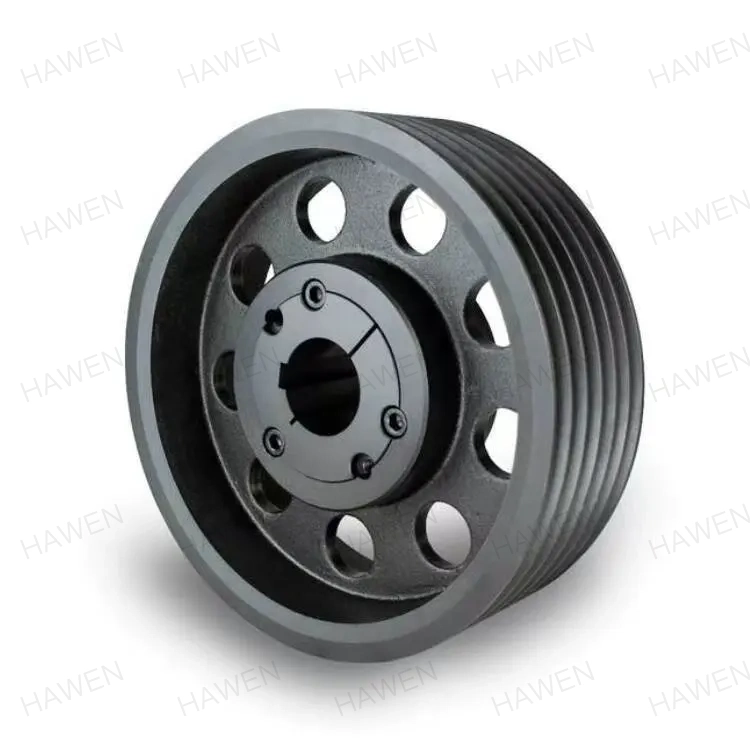
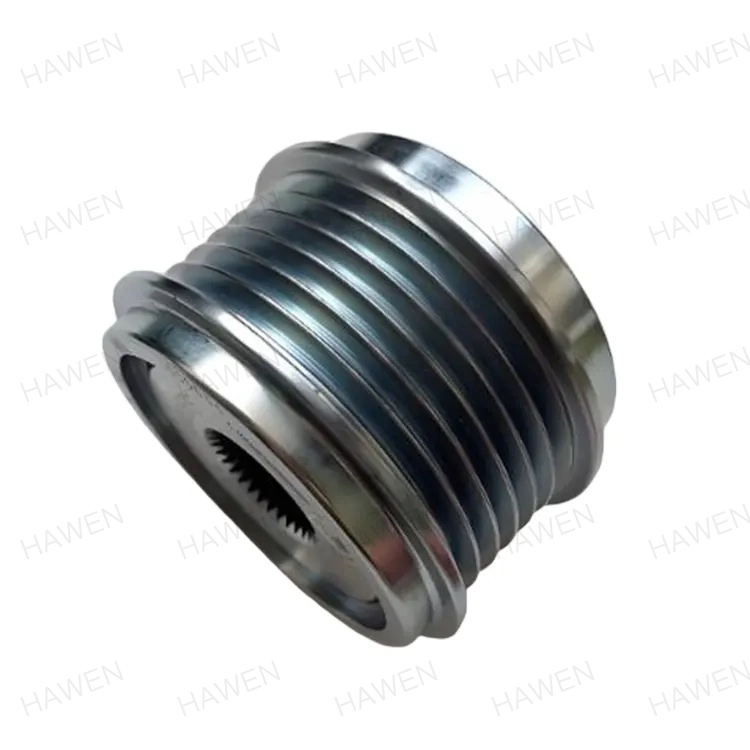
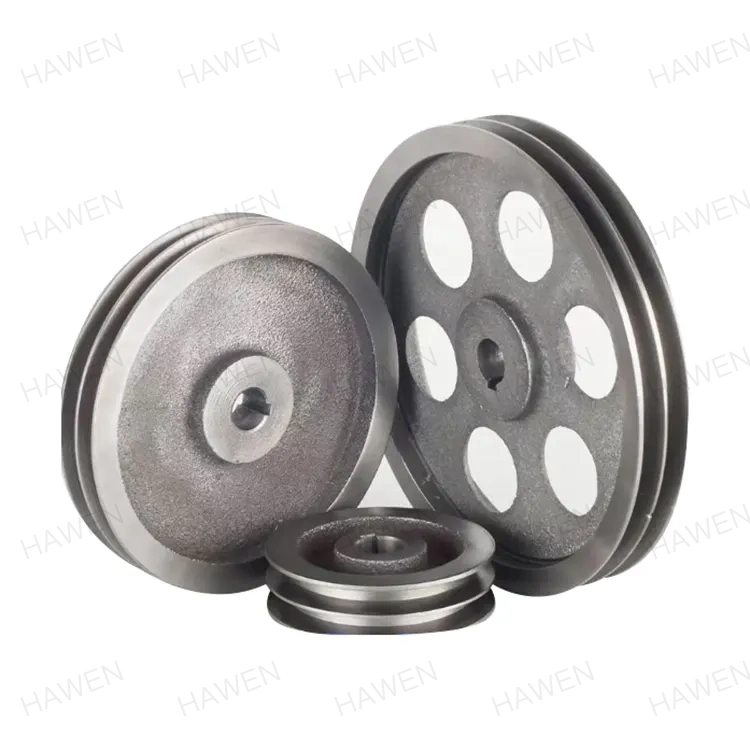
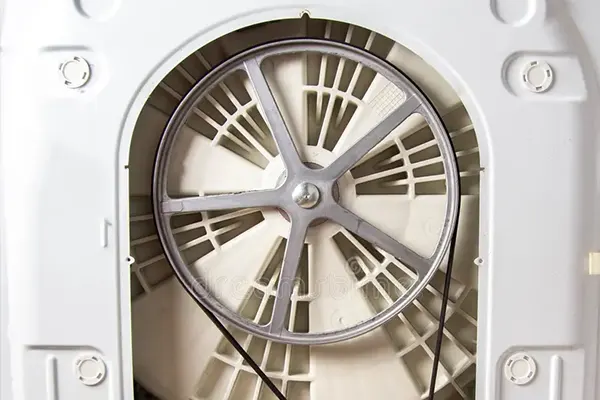
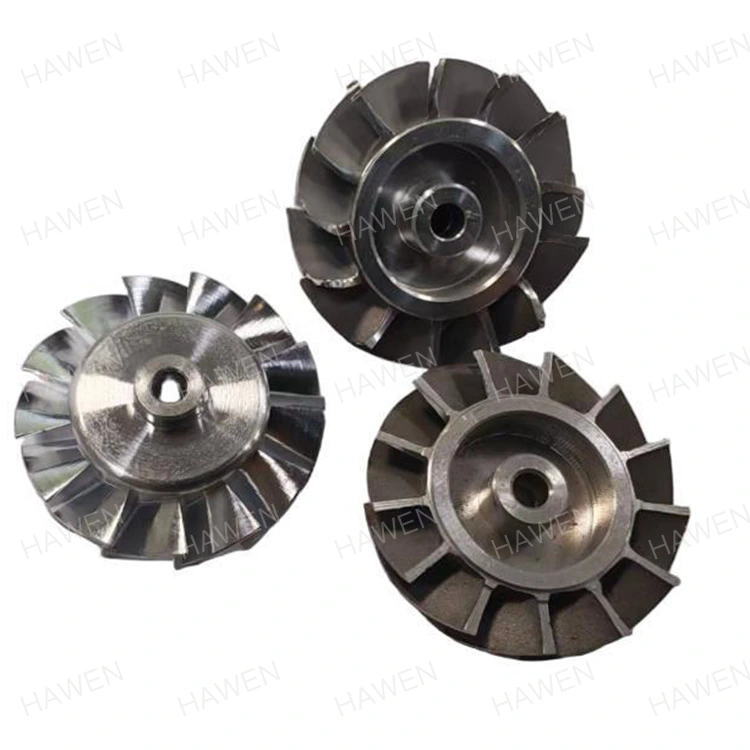
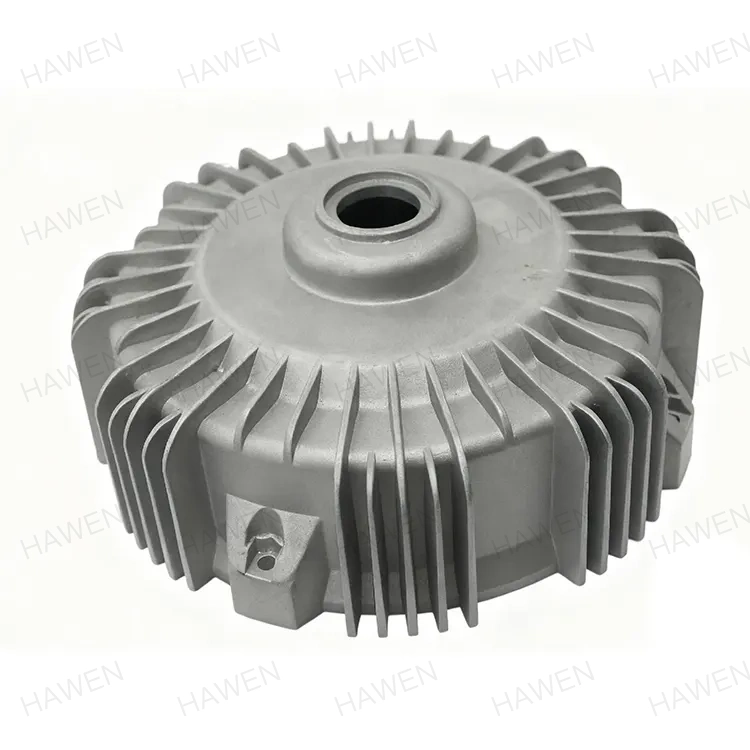
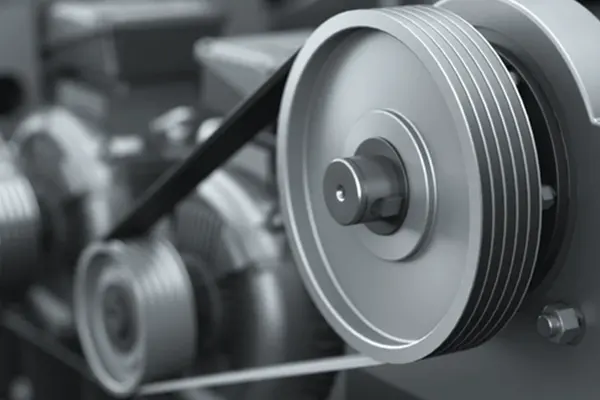
In any rotating machinery system, vibration is the enemy. It accelerates wear, generates noise, reduces efficiency, and can lead to catastrophic failure if left unchecked. When a belt-driven system includes an impeller—whether in a fan, a pump, or a compressor—the potential for vibration increases dramatically. The impeller introduces its own dynamic forces, and these forces interact with the Belt Pulleys, the belt, and the entire drive system. The result can be a complex vibration pattern that is difficult to diagnose and even harder to eliminate. Yet, with the right design and engineering, Belt Pulleys can play a central role in reducing vibration, not causing it. When paired correctly with impellers and balance weights, Belt Pulleys become part of a tuned system that runs smoothly even at high speeds and under varying loads.
The question of how Belt Pulleys reduce vibration when paired with impellers and weights is a question of dynamic balance, damping, and system integration. It involves understanding the sources of vibration, the role of each component in the drive train, and the engineering techniques that can be used to counteract unwanted oscillations. This article will examine the technical principles behind vibration reduction in belt-driven impeller systems. We will cover the sources of vibration, the design features of Belt Pulleys that contribute to smooth operation, the role of balance weights, and the system-level considerations that ensure optimal performance. We will also provide detailed specifications for our Belt Pulleys from our factory at Zhejiang Hawen Electromechanical Co., Ltd.
To understand how Belt Pulleys reduce vibration, we must first understand where vibration comes from. In a belt-driven impeller system, vibration can originate from several sources. The first is imbalance in the rotating components. An impeller that is not perfectly balanced will generate a centrifugal force that rotates with it, creating a once-per-revolution vibration. The same is true for the Belt Pulleys. If a pulley is unbalanced, it will generate its own vibration. The second source is misalignment. If the pulley and the impeller shaft are not perfectly aligned, the belt will run at an angle, creating lateral forces that cause vibration. The third source is belt defects. A belt with a stiff spot, a lump, or an uneven splice will create a periodic impact as it passes over the pulleys. The fourth source is resonance. Every mechanical system has natural frequencies. If a source of vibration—such as the rotation speed of the impeller—matches a natural frequency, the vibration will be amplified. The fifth source is aerodynamic or hydraulic forces. In fans and pumps, the impeller generates pressure pulses that can excite vibration in the system. The table below summarizes these sources and their characteristics.
| Vibration Source | Frequency | Cause | Solution |
| Impeller Imbalance | 1x RPM | Uneven mass distribution | Balance impeller |
| Pulley Imbalance | 1x RPM | Uneven mass distribution | Balance pulley |
| Misalignment | 1x, 2x RPM | Incorrect pulley alignment | Align pulleys |
| Belt Defect | Belt pass frequency | Lump or stiff spot in belt | Replace belt |
| Resonance | Natural frequency | Excitation matches natural frequency | Change speed or add damping |
| Aerodynamic/Hydraulic | Blade pass frequency | Pressure pulses from impeller | Optimize impeller design |
At Zhejiang Hawen Electromechanical Co., Ltd., our factory has extensive experience in analyzing vibration in belt-driven systems. We work with our customers to identify the sources of vibration and to select Belt Pulleys that are designed to minimize them. Our engineering team can perform vibration analysis and provide recommendations for system optimization.
The balance of a Belt Pulley is one of the most important factors in reducing vibration in a belt-driven impeller system. An unbalanced pulley creates a centrifugal force that rotates with the pulley. This force is transmitted to the shaft, the bearings, and the entire structure. The magnitude of the force is proportional to the mass of the imbalance, the distance of the imbalance from the center of rotation, and the square of the rotational speed. This means that at high speeds, even a small imbalance can create a large force. For example, a 10-gram imbalance at a radius of 100mm on a pulley rotating at 3,000 RPM generates a force of approximately 10 kg. At 6,000 RPM, the same imbalance generates a force of 40 kg. This force can cause bearing wear, shaft fatigue, and excessive noise. The table below shows the relationship between imbalance, speed, and force.
| Imbalance Mass (g) | Radius (mm) | Speed (RPM) | Centrifugal Force (kg) |
| 10 | 100 | 1,500 | 2.5 |
| 10 | 100 | 3,000 | 10.0 |
| 10 | 100 | 6,000 | 40.0 |
| 20 | 100 | 3,000 | 20.0 |
| 20 | 100 | 6,000 | 80.0 |
At our factory, we balance every Belt Pulley to a high standard. We use dynamic balancing machines that measure the imbalance in two planes and indicate the amount and location of the correction weights needed. Our standard balance grade is G6.3 according to ISO 1940, which is suitable for most industrial applications. For high-speed or precision applications, we can achieve G2.5 or better. By ensuring that our Belt Pulleys are precisely balanced, we help our customers reduce vibration at the source.
Balance weights are used to correct imbalance in rotating components. They are small masses that are attached to the component at a specific location to counteract the imbalance. In a Belt Pulley, balance weights can be added in the form of set screws, welded tabs, or drilled holes. The key is to place the weight in the correct location and to ensure that it is securely attached. In a belt-driven impeller system, balance weights are used on both the impeller and the pulleys. The impeller is typically balanced first, and then the pulleys are balanced. The balance weights on the pulleys are adjusted to minimize the overall vibration of the system. This is because the vibration of the system is the sum of the vibrations of all the components. If the pulley is balanced to counteract the residual imbalance of the impeller, the overall vibration can be reduced. The table below summarizes the types of balance weights and their applications.
| Balance Weight Type | Application | Advantages | Disadvantages |
| Set Screw | Small pulleys | Easy to install and adjust | Limited weight range |
| Welded Tab | Medium to large pulleys | Permanent, secure | Requires welding |
| Drilled Hole | All sizes | No added weight, removes material | Permanent, difficult to adjust |
| Bolted Weight | Large pulleys | Adjustable, removable | Requires bolts and tapped holes |
At Zhejiang Hawen Electromechanical Co., Ltd., our factory uses precision balancing techniques to ensure that our Belt Pulleys are correctly balanced. We can also supply pulleys with pre-installed balance weights or with provisions for field balancing. Our engineering team can assist with the balancing of the complete system, including the impeller and the pulleys.
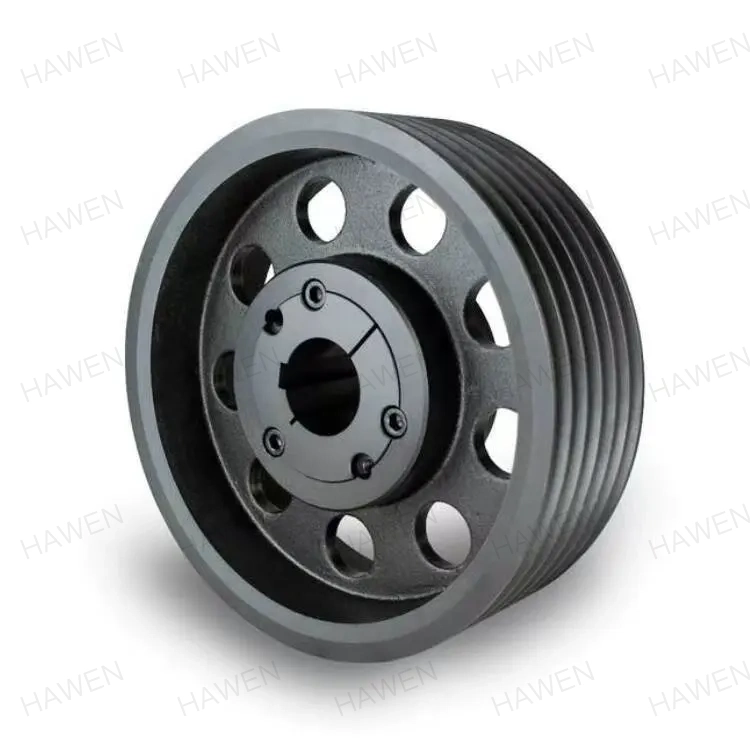
In addition to balance, the design of a Belt Pulley can contribute to vibration reduction through damping. Damping is the dissipation of energy from a vibrating system. It reduces the amplitude of vibration and helps to prevent resonance. There are several design features that can add damping to a Belt Pulley. The first is the use of a split pulley or a pulley with a damping layer. A split pulley has a layer of rubber or elastomer between the hub and the rim. This layer acts as a damper, absorbing vibration energy and reducing the transmission of vibration from the rim to the hub. The second is the use of a tuned mass damper. This is a small mass that is attached to the pulley with a resilient element. The mass is tuned to vibrate at a frequency that is out of phase with the vibration of the pulley, canceling it out. The third is the use of a ribbed or finned design. The ribs or fins increase the surface area of the pulley, which can help to dissipate heat and reduce vibration. The table below summarizes these damping features and their effectiveness.
| Damping Feature | Mechanism | Effectiveness | Typical Application |
| Split Pulley with Elastomer | Absorbs vibration energy | High | High-speed fans, blowers |
| Tuned Mass Damper | Cancels vibration at specific frequency | Very High | Precision machinery |
| Ribbed / Finned Design | Dissipates heat, increases stiffness | Moderate | General industrial |
| Damped Hub | Reduces transmission of vibration | Moderate | Automotive, HVAC |
At our factory, we offer Belt Pulleys with various damping features to suit different applications. Our engineering team can help you select the right design for your specific vibration problem. We can also custom-design a pulley with a tuned mass damper or a split-hub design to meet your requirements.
Reducing vibration in a belt-driven impeller system is not just about balancing individual components. It is about tuning the entire system so that the components work together to minimize vibration. This system-level approach is essential for achieving the lowest possible vibration levels. The process begins with the selection of the Belt Pulleys and the impeller. The pulleys should be balanced to a high standard, and the impeller should be balanced to an even higher standard. The next step is to align the pulleys and the impeller shaft. Misalignment is a major source of vibration, and it must be corrected before any balancing is attempted. The next step is to check the belt tension. A belt that is too loose will slip and vibrate. A belt that is too tight will overload the bearings and create vibration. The correct tension is specified by the belt manufacturer. The next step is to add balance weights to the system as needed. This is done by running the system and measuring the vibration at various points. The balance weights are then adjusted until the vibration is minimized. The table below summarizes the system tuning steps and their objectives.
| Tuning Step | Objective | Tools Required |
| Component Balancing | Minimize individual imbalances | Dynamic balancing machine |
| Alignment | Ensure shafts are parallel and pulleys are coplanar | Laser alignment tool |
| Belt Tensioning | Set correct tension for smooth operation | Tension gauge |
| System Balancing | Minimize overall vibration | Vibration analyzer |
| Verification | Confirm vibration levels are within limits | Vibration meter |
At Hawen, our factory provides system-level support for vibration reduction. We can supply balanced Belt Pulleys, assist with alignment and tensioning, and provide on-site vibration analysis. Our goal is to help our customers achieve the smoothest possible operation of their belt-driven impeller systems.
The specifications for a vibration-reducing Belt Pulley include the balance grade, the material, the damping features, the bore tolerance, and the surface finish. The table below provides a summary of these specifications for our Belt Pulleys.
| Specification | Options | Importance for Vibration Reduction |
| Balance Grade | G6.3 (standard), G2.5 (precision) | Lower grade = less imbalance force |
| Material | Steel, Aluminum, Cast Iron | Affects weight and damping characteristics |
| Damping Feature | Split Hub, Tuned Mass Damper | Absorbs vibration energy |
| Bore Tolerance | H7 (standard), H6 (precision) | Tighter fit reduces play and vibration |
| Surface Finish | Machined, Ground | Smoother finish reduces belt wear and noise |
| Groove Profile | SPZ, SPA, SPB, SPC | Matches belt for optimal fit |
At our factory, we manufacture Belt Pulleys to meet these specifications and more. We can customize the balance grade, the material, and the damping features to suit your specific application. Our engineering team can assist with the selection process and provide detailed technical data for your project.
Question 1: How does pulley imbalance cause vibration?
Answer: Pulley imbalance causes vibration because the uneven mass distribution creates a centrifugal force that rotates with the pulley. This force is transmitted to the shaft, bearings, and structure, causing vibration at the rotational frequency (1x RPM). The magnitude of the force increases with the square of the speed, so imbalance is more problematic at high speeds. Balancing the pulley eliminates this force and reduces vibration.
Question 2: What balance grade should I specify for my Belt Pulleys?
Answer: The balance grade depends on the speed and the application. For general industrial applications with speeds up to 3,000 RPM, G6.3 is usually sufficient. For high-speed applications (above 3,000 RPM) or precision machinery, G2.5 or better is recommended. Our factory can advise on the appropriate balance grade for your specific application.
Question 3: Can I balance a Belt Pulley in the field?
Answer: Yes, field balancing is possible for large pulleys or for systems that cannot be easily disassembled. Field balancing involves using a vibration analyzer to measure the vibration and then adding or removing weight at specific locations on the pulley. It requires specialized equipment and expertise. Our factory can provide field balancing services or training for your maintenance team.
Question 4: How does belt tension affect vibration?
Answer: Belt tension has a significant effect on vibration. A belt that is too loose will slip, causing a high-frequency vibration and noise. A belt that is too tight will overload the bearings and create vibration at the rotational frequency. The correct tension is specified by the belt manufacturer and should be checked regularly. Proper tensioning is essential for smooth operation.
Question 5: What is the best way to reduce vibration in a belt-driven impeller system?
Answer: The best way to reduce vibration is to address all the potential sources. Balance the impeller and the pulleys, align the shafts, set the correct belt tension, and add damping if necessary. A system-level approach is more effective than addressing individual components. Our factory can provide a complete solution, including balanced Belt Pulleys, alignment tools, and vibration analysis services.
Belt Pulleys play a crucial role in reducing vibration when paired with impellers and balance weights. By ensuring that the pulleys are precisely balanced, by selecting the right damping features, and by tuning the system as a whole, it is possible to achieve smooth, quiet operation even at high speeds and under varying loads. The key is to understand the sources of vibration and to address them systematically. At Zhejiang Hawen Electromechanical Co., Ltd., our factory has the expertise and the equipment to manufacture Belt Pulleys that meet the most demanding requirements for vibration reduction. We use precision balancing, high-quality materials, and advanced damping designs to ensure that our pulleys contribute to a smooth-running system. Whether you are designing a new belt-driven impeller system or troubleshooting an existing one, we can help.
Our engineering team is available to assist with vibration analysis, pulley selection, and system tuning. We can provide detailed specifications, balancing services, and on-site support. Our commitment to quality and customer satisfaction has made us a trusted partner for industrial drive systems around the world.
Contact Zhejiang Hawen Electromechanical Co., Ltd. today to discuss your Belt Pulley requirements and discover how our products can help you reduce vibration in your belt-driven impeller systems.
Address:No.809 Jinniu Street, Bihu Town, Liandu District, Lishui City, Zhejiang Province China
Copyright © 2026 Zhejiang Hawen Electromechanical Co., Ltd. All Rights Reserved. Links| Sitemap| RSS| XML| Privacy Policy