News

How Does an Alloy Fan Impeller Improve Industrial Fan Performance?

2026-05-26 0 Leave me a message


Industrial ventilation systems face demanding operating environments including high temperatures, corrosive gases, abrasive dust, and continuous heavy-duty workloads. Choosing the wrong impeller material can lead to premature wear, energy loss, excessive vibration, and costly downtime. An Alloy Fan Impeller is engineered to solve these challenges by offering superior strength, corrosion resistance, thermal stability, and aerodynamic efficiency. This article explains how alloy fan impellers work, their advantages, material selection criteria, industrial applications, maintenance recommendations, and why they are becoming the preferred solution for modern industrial airflow systems.

Alloy Fan Impeller


Table of Contents

  • What Is an Alloy Fan Impeller?
  • Why Traditional Impellers Fail in Harsh Conditions
  • How Alloy Fan Impellers Improve Performance
  • Common Alloy Materials Used
  • Key Benefits for Industrial Users
  • Applications Across Industries
  • How to Choose the Right Alloy Fan Impeller
  • Maintenance and Service Life Tips
  • Why Manufacturers Prefer Zhejiang Hawen Electromechanical Co., Ltd.
  • FAQ

What Is an Alloy Fan Impeller?

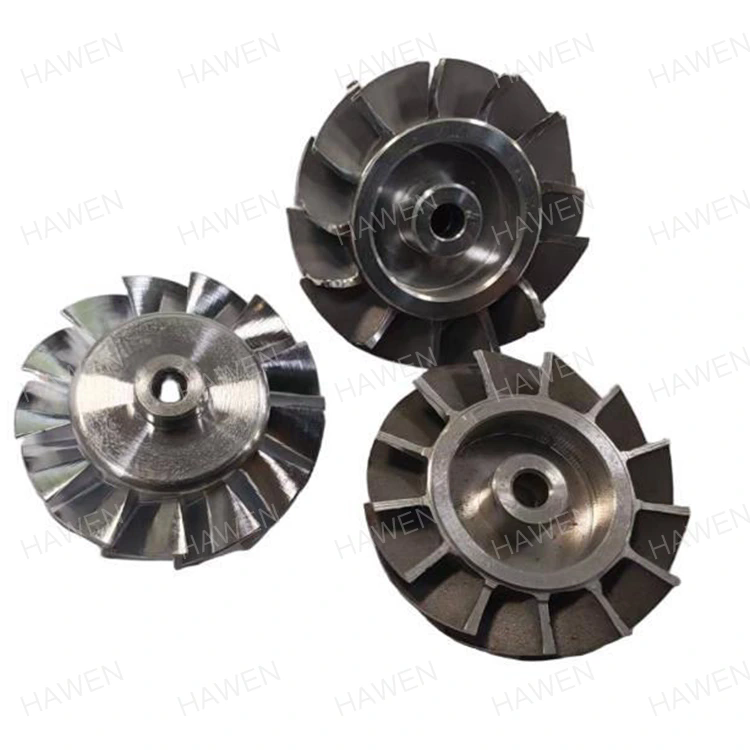
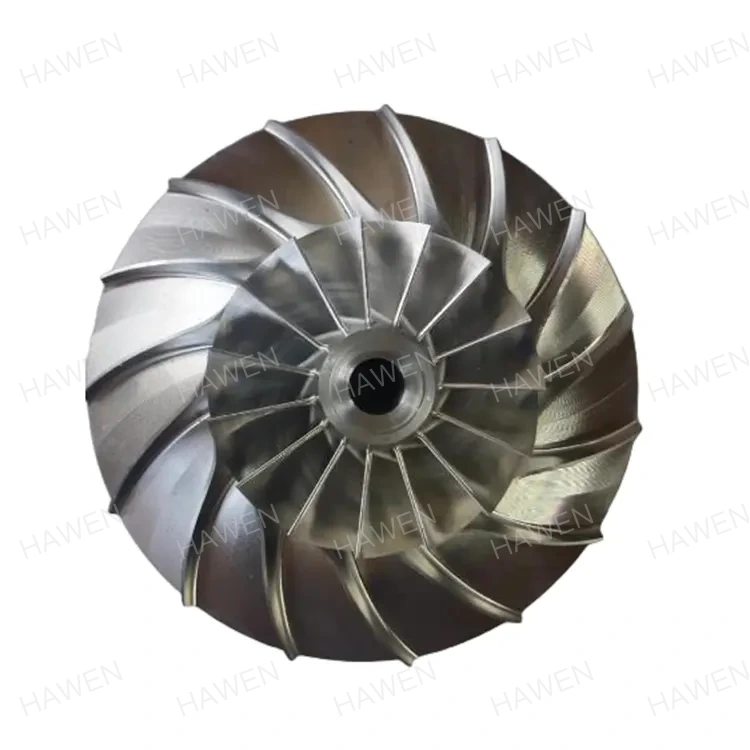
An Alloy Fan Impeller is the rotating component inside an industrial fan responsible for generating airflow by converting mechanical energy into air movement. Unlike standard steel or plastic impellers, alloy impellers are manufactured using specially engineered metal combinations such as aluminum alloys, stainless steel alloys, nickel-based alloys, or titanium alloys.

These advanced materials are selected to enhance:

  • Mechanical strength
  • Heat resistance
  • Corrosion protection
  • Wear resistance
  • Operational stability
  • Energy efficiency

Because industrial fans often operate under extreme conditions, the impeller becomes one of the most critical components affecting overall equipment reliability.

Important: Even a small improvement in impeller efficiency can significantly reduce power consumption and long-term operating costs in industrial ventilation systems.

Why Traditional Impellers Fail in Harsh Conditions

Many industrial facilities still use conventional carbon steel impellers due to lower initial costs. However, these impellers often struggle in environments involving:

  • High humidity
  • Chemical exposure
  • Acidic gases
  • Continuous high temperatures
  • Heavy dust accumulation
  • High rotational speeds

Over time, standard impellers may suffer from corrosion, blade deformation, fatigue cracking, or imbalance. These problems can lead to:

Problem Operational Impact
Corrosion Reduced airflow efficiency and shorter lifespan
Blade wear Increased vibration and energy consumption
Thermal deformation Imbalance and unstable operation
Material fatigue Unexpected shutdowns and repair costs

This is why more industrial operators are upgrading to alloy fan impellers for better durability and operational consistency.


How Alloy Fan Impellers Improve Performance

The main purpose of an alloy fan impeller is not only to move air efficiently but also to maintain stable performance under demanding industrial conditions.

Here are the primary ways alloy impellers improve system performance:

1. Enhanced Corrosion Resistance

Industrial facilities such as chemical plants and wastewater treatment stations often expose fans to corrosive gases and moisture. Alloy materials resist oxidation and chemical damage far better than ordinary steel.

This helps extend equipment lifespan while minimizing maintenance frequency.

2. Better High-Temperature Stability

High-temperature ventilation systems require impellers capable of maintaining structural integrity under thermal stress. Advanced alloys maintain their mechanical properties even during continuous high-heat operation.

This reduces the risk of blade deformation and system imbalance.

3. Reduced Energy Consumption

Well-designed alloy fan impellers often feature optimized aerodynamic blade structures combined with lighter material weight. This lowers rotational resistance and improves airflow efficiency.

As a result, motors consume less energy while delivering the same or higher airflow output.

4. Lower Equipment Vibration

Precision-manufactured alloy impellers offer superior balance and dimensional accuracy. Reduced vibration improves bearing life, decreases noise levels, and protects surrounding equipment.

5. Longer Operational Lifespan

Because alloy materials resist wear, corrosion, and fatigue, industrial users experience fewer breakdowns and lower replacement costs over time.


Common Alloy Materials Used

Alloy Type Key Features Typical Applications
Aluminum Alloy Lightweight and corrosion resistant HVAC and ventilation systems
Stainless Steel Alloy Excellent chemical resistance Chemical processing plants
Nickel-Based Alloy Extreme heat resistance Furnace and boiler systems
Titanium Alloy High strength and low weight Marine and aerospace industries

Key Benefits for Industrial Users

Industrial buyers increasingly prioritize reliability and long-term operating efficiency. Alloy fan impellers provide several measurable advantages:

  • Reduced downtime
  • Lower maintenance expenses
  • Improved airflow efficiency
  • Extended equipment lifespan
  • Reduced energy costs
  • Better system stability
  • Enhanced safety during operation

For facilities operating 24/7, these benefits can generate substantial savings over the lifecycle of the ventilation system.


Applications Across Industries

Alloy fan impellers are widely used in demanding industrial environments where standard fan components cannot maintain long-term reliability.

Industry Application
Power Generation Boiler ventilation and exhaust systems
Chemical Manufacturing Corrosive gas handling systems
Mining Dust extraction and tunnel ventilation
Cement Plants High-temperature material transport
Marine Industry Salt-air resistant ventilation systems
HVAC Systems Commercial and industrial airflow management

How to Choose the Right Alloy Fan Impeller

Selecting the correct impeller requires careful evaluation of operating conditions and system requirements.

Key selection factors include:

  • Operating temperature range
  • Airflow volume requirements
  • Static pressure levels
  • Corrosive environment exposure
  • Dust and particle concentration
  • Fan rotational speed
  • Noise limitations
  • Energy efficiency targets

Working with an experienced manufacturer can help ensure the impeller design matches the specific operational demands of your facility.

Tip: Improper impeller selection can reduce fan efficiency, overload motors, and increase long-term operating costs.

Maintenance and Service Life Tips

Although alloy fan impellers offer superior durability, proper maintenance remains essential for maximizing service life.

Recommended maintenance practices include:

  • Regular blade inspections
  • Monitoring vibration levels
  • Cleaning accumulated dust deposits
  • Checking shaft alignment
  • Inspecting bearing conditions
  • Monitoring temperature fluctuations
  • Performing periodic balancing tests

Preventive maintenance helps identify minor issues before they develop into major equipment failures.


Why Manufacturers Prefer Zhejiang Hawen Electromechanical Co., Ltd.

Zhejiang Hawen Electromechanical Co., Ltd. specializes in the manufacturing of high-performance industrial ventilation components, including advanced Alloy Fan Impeller solutions for demanding applications.

The company focuses on:

  • Precision manufacturing technology
  • Strict quality control processes
  • Custom impeller design capabilities
  • Reliable material selection
  • Stable aerodynamic performance
  • Long-term operational durability

With extensive experience in industrial airflow systems, Zhejiang Hawen Electromechanical Co., Ltd. provides customized solutions tailored to different industries and operating conditions.


FAQ

What is the main advantage of an alloy fan impeller?

The primary advantage is improved durability and resistance to harsh industrial conditions such as corrosion, heat, and wear.

Can alloy fan impellers reduce energy consumption?

Yes. Optimized aerodynamic designs and lightweight alloy materials can improve airflow efficiency and lower motor energy usage.

Which industries commonly use alloy fan impellers?

Industries including chemical processing, mining, cement production, power generation, marine engineering, and HVAC systems widely use alloy fan impellers.

How long does an alloy fan impeller last?

Service life depends on operating conditions, maintenance quality, and material selection, but alloy impellers generally last significantly longer than conventional steel alternatives.

Can alloy impellers be customized?

Yes. Many manufacturers provide customized dimensions, blade angles, materials, and airflow configurations to meet specific industrial requirements.


Conclusion

An Alloy Fan Impeller plays a critical role in improving industrial fan efficiency, operational reliability, and equipment longevity. Compared with traditional materials, alloy impellers provide stronger resistance against corrosion, heat, wear, and mechanical stress, making them ideal for modern industrial ventilation systems.

If you are looking for durable and high-performance industrial fan solutions, Zhejiang Hawen Electromechanical Co., Ltd. can provide professional Alloy Fan Impeller products tailored to your application needs. Contact us today to discuss your project requirements and discover how customized airflow solutions can improve your operational efficiency and reduce long-term maintenance costs.

Related News
Leave me a message
X
We use cookies to offer you a better browsing experience, analyze site traffic and personalize content. By using this site, you agree to our use of cookies. Privacy Policy
Reject Accept