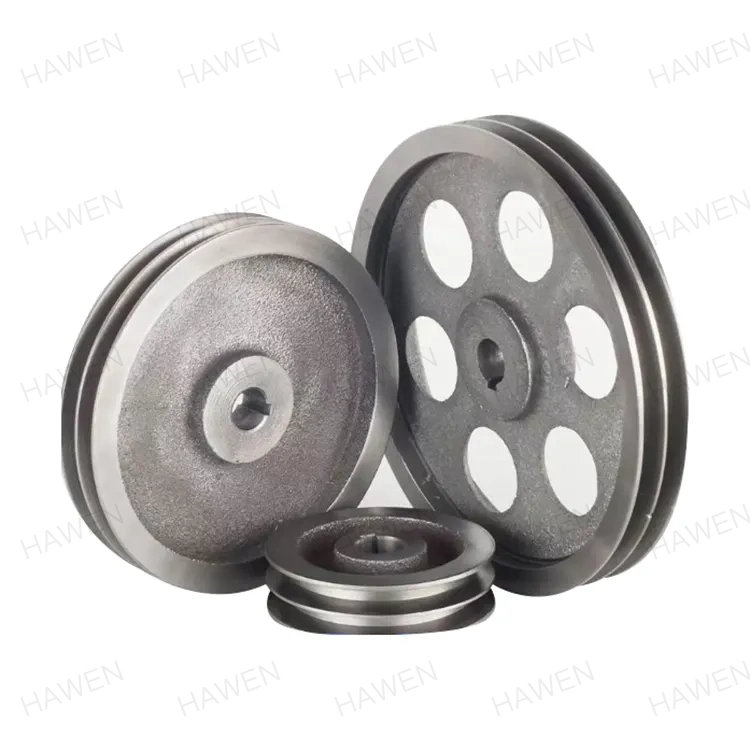
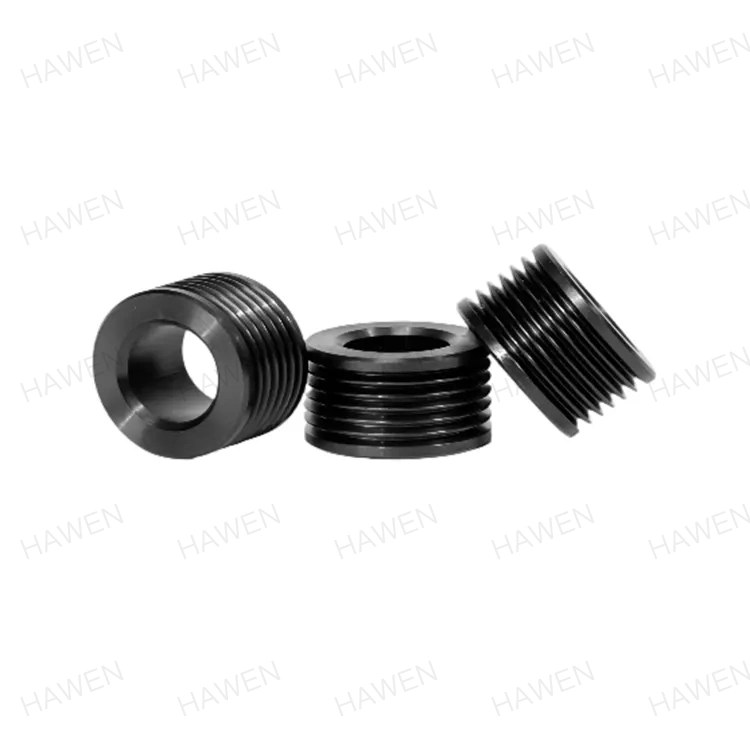
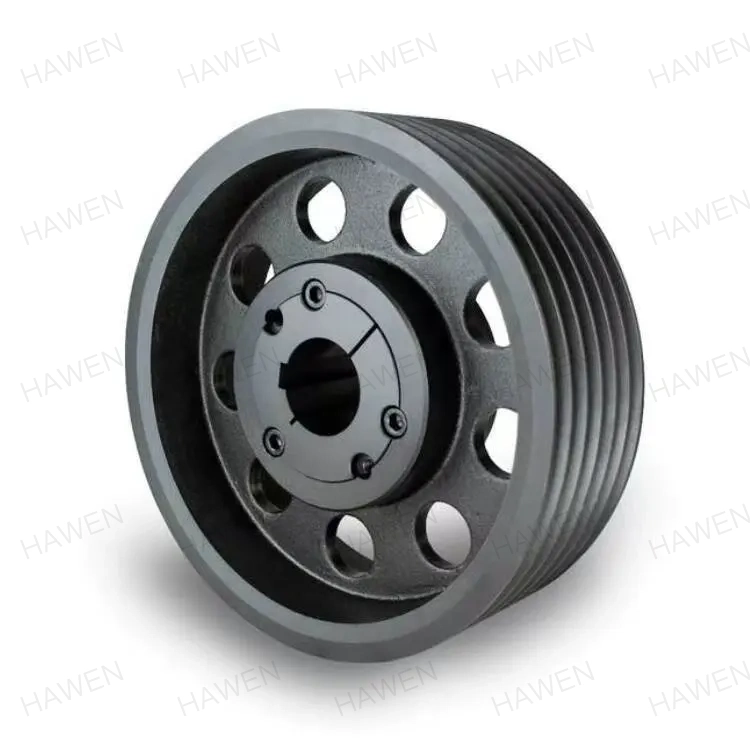
Belt pulleys are core components in countless mechanical transmission systems, yet many buyers, engineers, and equipment managers struggle to select the right type, size, and material for their specific applications. This in-depth guide explains what belt pulleys are, how they work, the different types available, common customer pain points, and how to choose reliable solutions for long-term performance. Drawing on real-world industrial experience and manufacturing insight from Zhejiang Hawen Electromechanical Co., Ltd., this article helps you make confident, cost-effective decisions for power transmission systems across multiple industries.
Table of Contents
Introduction to Belt Pulleys
How Belt Pulleys Work in Mechanical Systems
Why Belt Pulleys Remain Essential in Modern Industry
Main Types of Belt Pulleys
Common Materials Used in Belt Pulleys
Belt Pulley Profiles and Matching Belts
Key Parameters That Define Belt Pulley Performance
Typical Customer Pain Points and Practical Solutions
Industrial Applications of Belt Pulleys
Quality Standards and Manufacturing Considerations
How to Choose the Right Belt Pulleys for Your Project
Maintenance Tips for Long Service Life
Why Work with Zhejiang Hawen Electromechanical Co., Ltd.
Frequently Asked Questions
Introduction to Belt Pulleys
Belt pulleys are mechanical components designed to transmit power between rotating shafts using belts. They play a critical role in adjusting speed, torque, and direction of motion in machines. From industrial manufacturing lines to agricultural equipment and HVAC systems, belt pulleys are trusted for their simplicity, efficiency, and adaptability.
Despite their seemingly simple structure, belt pulleys involve precise engineering. Poor design or incorrect selection can lead to slippage, vibration, premature belt wear, and costly downtime. That is why experienced manufacturers like Zhejiang Hawen Electromechanical Co., Ltd. focus on accuracy, material integrity, and application-specific design.
How Belt Pulleys Work in Mechanical Systems
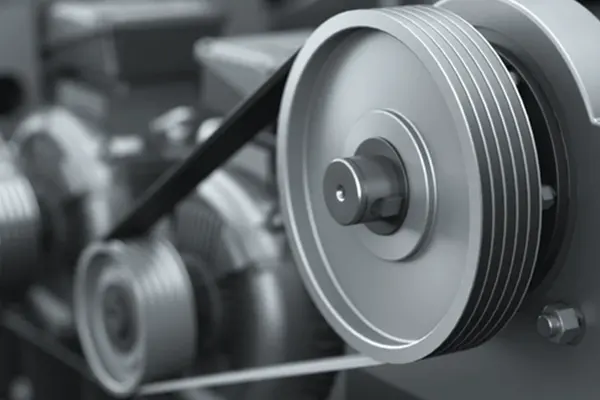
The working principle of belt pulleys is based on friction or positive engagement between the belt and the pulley grooves. When the driving pulley rotates, it transfers motion to the driven pulley through the belt. By changing pulley diameters, systems can increase or decrease speed and torque.
Compared with direct gear transmission, belt pulleys offer smoother operation and shock absorption. This makes them especially valuable in systems where noise reduction and vibration control are critical.
Power is transferred through belt tension
Speed ratio depends on pulley diameter ratio
Alignment affects efficiency and belt life
Why Belt Pulleys Remain Essential in Modern Industry
Even with the rise of advanced drive technologies, belt pulleys continue to be widely used because they offer flexibility, affordability, and reliability. Industries prefer belt pulleys when machines need adjustable speed, easy maintenance, or protection against overload.
Zhejiang Hawen Electromechanical Co., Ltd. has supplied belt pulleys for a wide range of industries, proving that well-designed pulley systems remain a cornerstone of efficient power transmission.
Main Types of Belt Pulleys
Belt pulleys are available in several types, each designed to match specific belt profiles and operating conditions.
Type
Description
Typical Applications
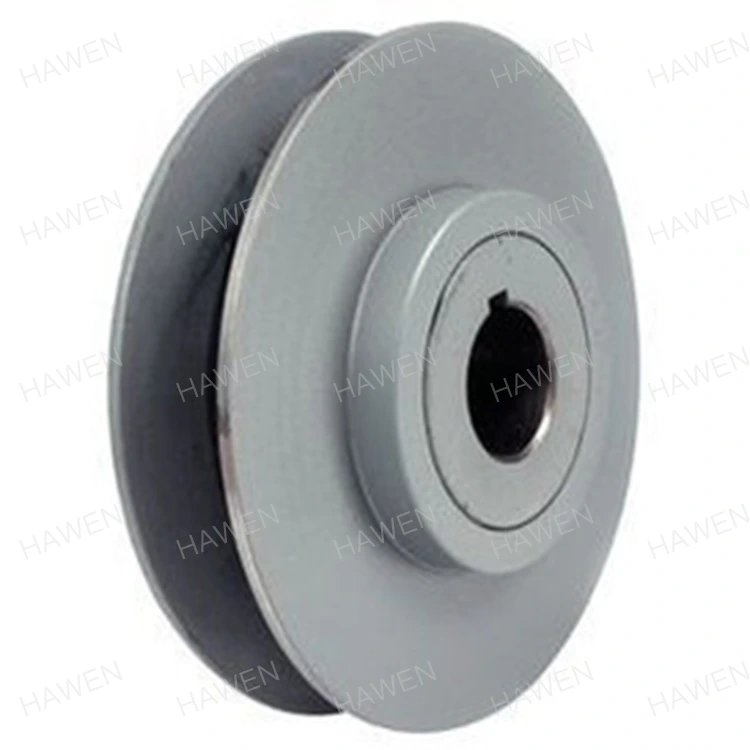
V-Belt Pulleys
Designed with V-shaped grooves for high friction
Motors, compressors, conveyors
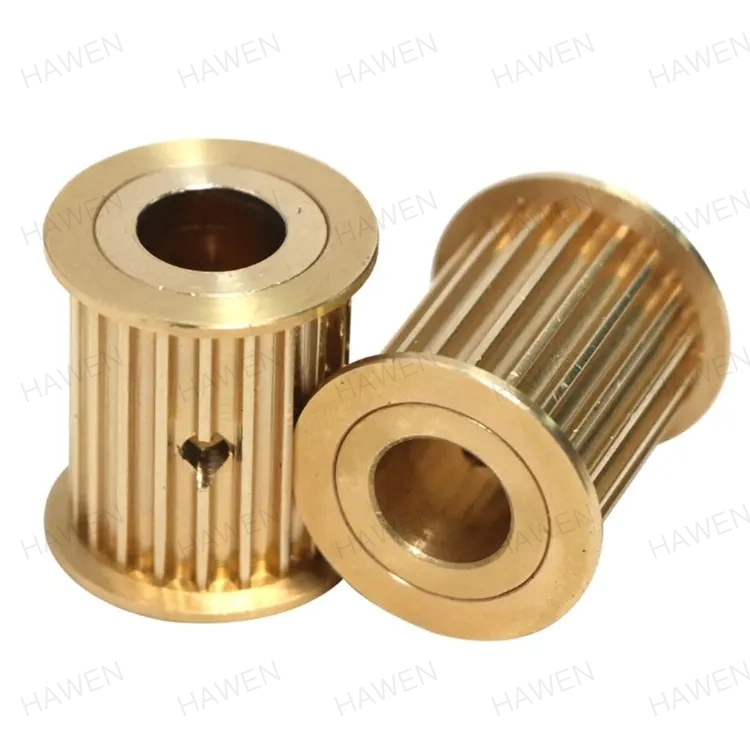
Timing Belt Pulleys
Toothed profile for synchronized motion
CNC machines, automation systems
Flat Belt Pulleys
Smooth surface for flat belts
Textile machinery, light-duty drives
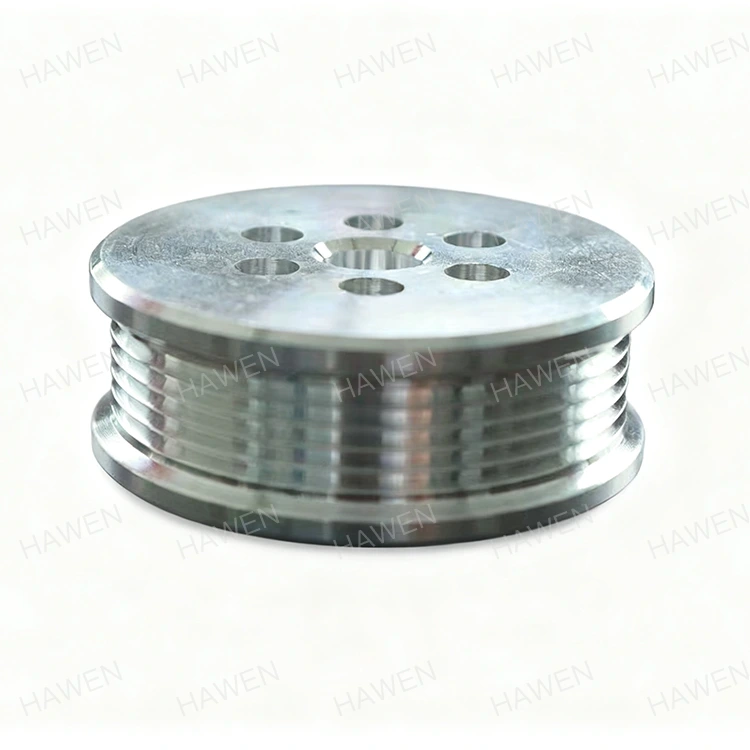
Multi-Groove Pulleys
Multiple grooves for higher power transmission
Heavy industrial equipment
Common Materials Used in Belt Pulleys
Material selection has a direct impact on durability, load capacity, and resistance to wear. Zhejiang Hawen Electromechanical Co., Ltd. carefully selects materials based on application requirements.
Cast Iron: Excellent vibration damping and wear resistance
Steel: High strength for heavy-duty applications
Aluminum Alloy: Lightweight and corrosion-resistant
Engineering Plastics: Suitable for low-noise and light-load systems
Belt Pulley Profiles and Matching Belts
Correct matching between belt pulleys and belts is essential. A mismatch can cause slippage, noise, and rapid wear. Common profiles include classical V-belts, narrow V-belts, and synchronous belt profiles.
Zhejiang Hawen Electromechanical Co., Ltd. emphasizes precise groove machining to ensure perfect belt seating and consistent power transfer.
Key Parameters That Define Belt Pulley Performance
When evaluating belt pulleys, buyers should focus on the following parameters:
Pulley diameter
Number of grooves
Bore size and tolerance
Surface finish
Balance grade
Ignoring these factors often leads to operational inefficiencies and unexpected failures.
Typical Customer Pain Points and Practical Solutions
Many customers face recurring issues when sourcing or using belt pulleys. Understanding these pain points helps prevent costly mistakes.
Pain Point
Root Cause
Recommended Solution
Excessive belt wear
Poor groove accuracy
Choose precision-machined pulleys
Vibration and noise
Imbalance or misalignment
Use dynamically balanced pulleys
Frequent belt slipping
Incorrect pulley diameter
Verify speed ratio calculations
Industrial Applications of Belt Pulleys
Belt pulleys are widely used across industries:
Manufacturing and automation equipment
Agricultural machinery
HVAC systems
Mining and construction equipment
Food processing machinery
Zhejiang Hawen Electromechanical Co., Ltd. has extensive experience delivering belt pulleys tailored for each of these sectors.
Quality Standards and Manufacturing Considerations
High-quality belt pulleys require strict control over casting, machining, and inspection processes. Consistency in groove geometry and bore alignment ensures stable operation under long-term load.
Manufacturers like Zhejiang Hawen Electromechanical Co., Ltd. invest in advanced CNC equipment and quality control systems to maintain reliable output.
How to Choose the Right Belt Pulleys for Your Project
Choosing the right belt pulleys starts with understanding your operating conditions. Load, speed, environment, and maintenance expectations
Define power and torque requirements
Select compatible belt profiles
Consider environmental factors like dust or humidity
Work with experienced manufacturers
Maintenance Tips for Long Service Life
Even the best belt pulleys need proper maintenance. Regular inspection and correct belt tension significantly extend service life.
Check alignment periodically
Inspect grooves for wear
Replace belts before failure
Why Work with Zhejiang Hawen Electromechanical Co., Ltd.
Zhejiang Hawen Electromechanical Co., Ltd. is a trusted manufacturer of belt pulleys with a strong focus on engineering precision, consistent quality, and customer-oriented solutions. With deep industry knowledge and flexible production capabilities, the company supports both standard and customized pulley requirements.
By partnering with Zhejiang Hawen Electromechanical Co., Ltd., customers gain access to reliable products, technical support, and long-term value.
Frequently Asked Questions
Q: How do I know which belt pulley size I need?
A: The correct size depends on required speed ratio, belt type, and shaft specifications. Consulting experienced manufacturers can prevent selection errors.
Q: Can belt pulleys handle heavy loads?
A: Yes, when properly designed and matched with suitable belts, belt pulleys can transmit significant power efficiently.
Q: How long do belt pulleys typically last?
A: With correct installation and maintenance, high-quality belt pulleys can operate reliably for many years.
Q: Are custom belt pulleys available?
A: Zhejiang Hawen Electromechanical Co., Ltd. offers customized belt pulleys to meet specific application needs.
Selecting the right belt pulleys is essential for stable performance, reduced downtime, and lower operating costs. Whether you need standard solutions or custom-engineered components, Zhejiang Hawen Electromechanical Co., Ltd. is ready to support your project with reliable expertise. If you are looking for durable, precision-made belt pulleys tailored to your application, contact us today to discuss your requirements and get professional support.
We use cookies to offer you a better browsing experience, analyze site traffic and personalize content. By using this site, you agree to our use of cookies.
Privacy Policy