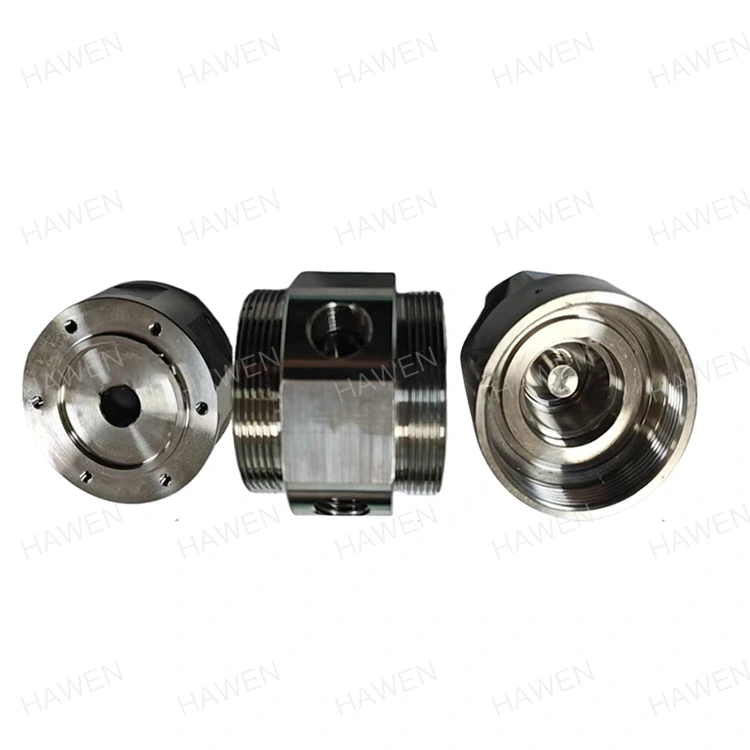
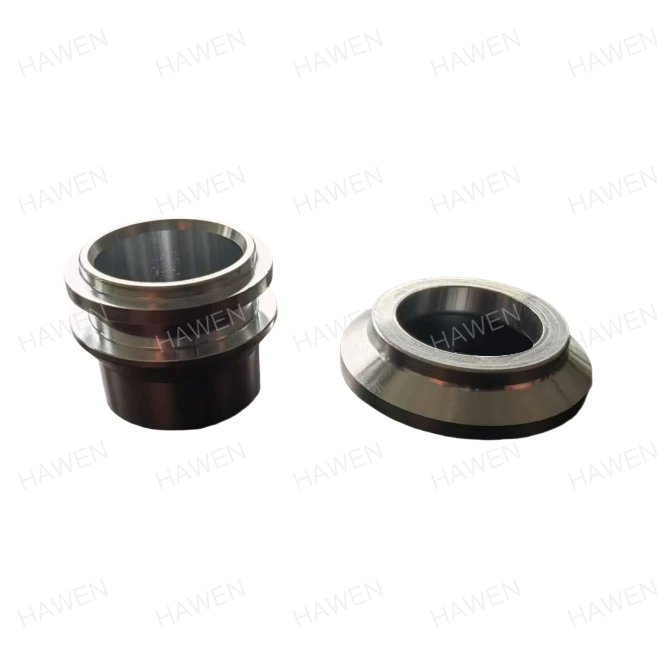
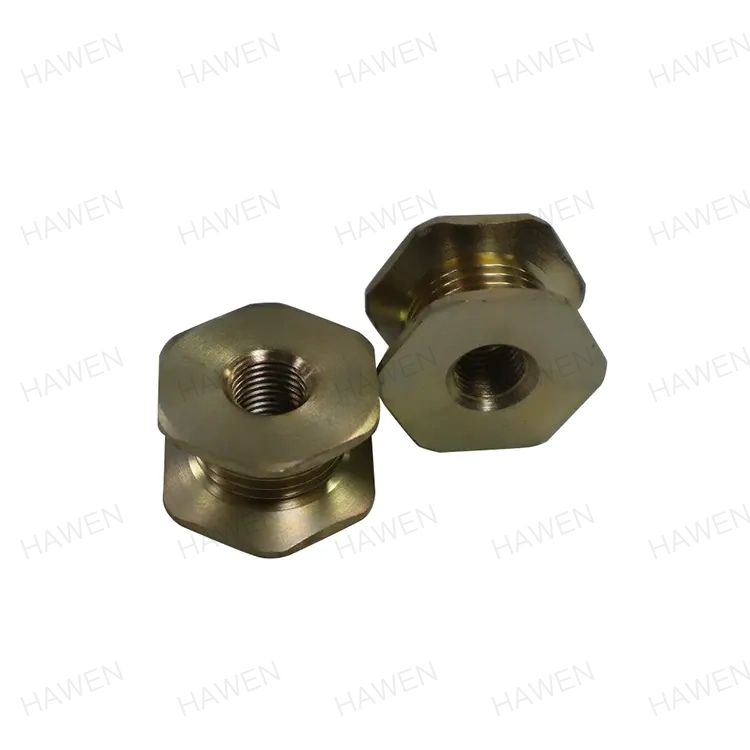
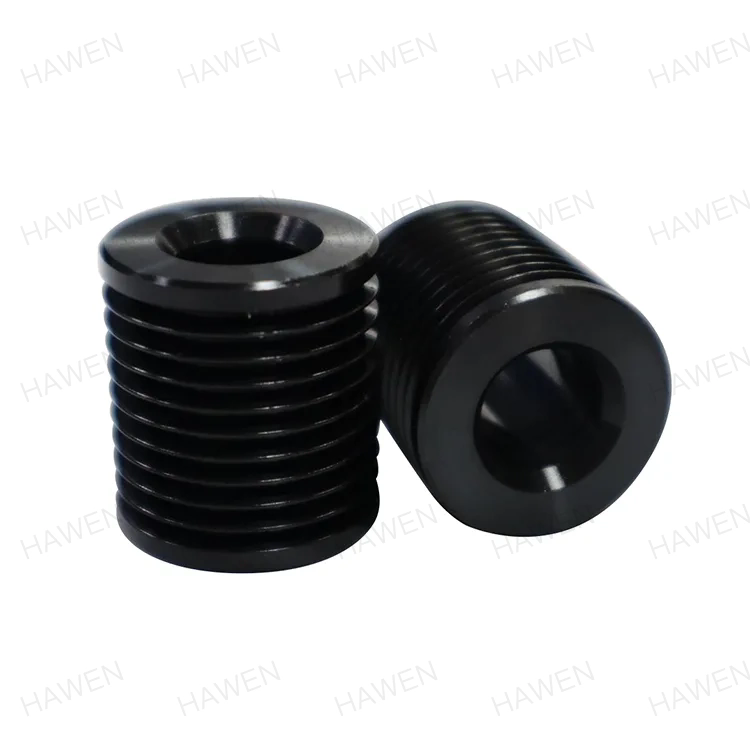
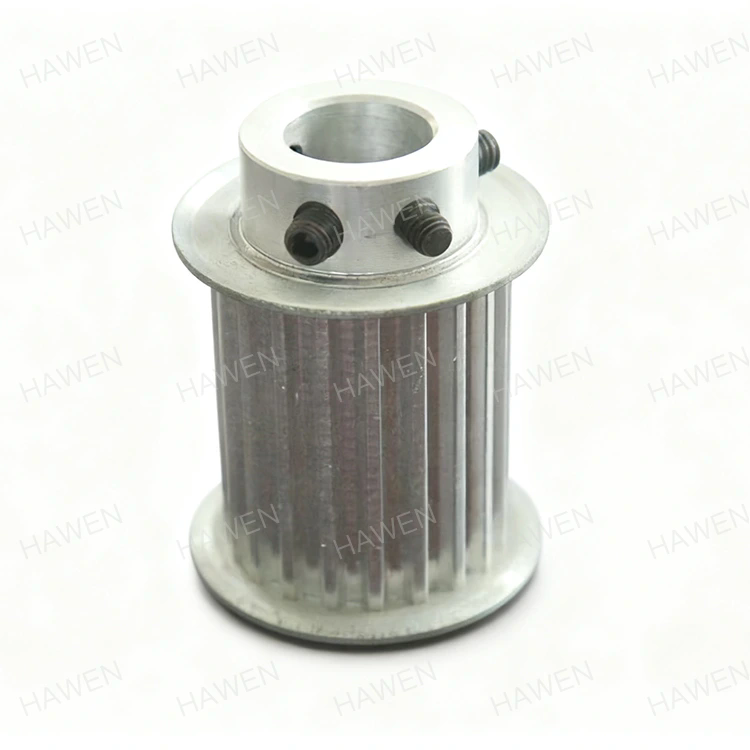
In modern precision manufacturing, material selection and machining capability directly influence the reliability, dimensional stability, and service life of mechanical components. alloy steel machined parts have become an important solution for applications that require a combination of strength, wear resistance, structural stability, and controlled machining performance. Unlike general-purpose steel components, alloy steel parts can be engineered around demanding mechanical conditions, making them suitable for transmission systems, motor assemblies, industrial equipment, automation machinery, and other applications where component consistency matters.
The development of precision machining is also changing how manufacturers approach mechanical components. Rather than treating a machined part as an isolated piece of hardware, engineers increasingly consider material properties, geometry, surface condition, machining processes, assembly requirements, and operating environments as an integrated system. This approach helps manufacturers achieve more dependable component performance while maintaining compatibility with larger mechanical assemblies.
Mechanical components operate under different combinations of load, friction, vibration, temperature, and repeated movement. A material that performs well in a lightly loaded application may not provide the same stability in a continuously operating transmission or motor system. For this reason, material selection is an important part of precision component engineering.
Alloy steel offers a useful balance of mechanical characteristics for components that need greater structural strength than ordinary carbon steel can provide. Depending on the alloy composition and heat treatment condition, the material can be engineered to deliver suitable hardness, toughness, fatigue resistance, and wear performance.
These characteristics are particularly relevant to rotating and power-transmission components. When a component is repeatedly subjected to torque or contact stress, dimensional changes, surface damage, or deformation can affect the performance of the entire assembly. A properly selected alloy steel can help provide the mechanical foundation required for stable operation.
Strength is not simply a matter of making a component harder. Precision components must maintain their geometry while carrying mechanical loads, and excessive hardness without sufficient toughness may create other performance concerns. Engineers therefore need to consider the relationship between tensile strength, hardness, toughness, fatigue behavior, and the intended working environment.
For shafts, hubs, pulleys, transmission elements, mounting components, and other mechanically loaded parts, structural stability can directly influence assembly accuracy. A well-engineered material and machining combination helps reduce the risk of deformation during operation and supports more consistent mechanical engagement.
Many industrial components experience continuous contact with belts, bearings, shafts, gears, fasteners, or other moving elements. Over time, friction and repeated loading can influence surface condition and dimensional accuracy.
Alloy steel is often selected for applications where wear resistance is an important consideration. Heat treatment and surface finishing can further influence the behavior of the finished component. The appropriate combination depends on the component geometry, contact condition, operating load, lubrication environment, and expected service cycle.
Material quality alone does not guarantee a reliable mechanical component. The machining process determines how effectively the selected material is converted into a component that meets functional requirements. Precision machining involves controlling dimensions, geometric relationships, surface characteristics, and manufacturing consistency throughout production.
Modern CNC machining technology provides manufacturers with greater control over complex geometries and repeatable production. Turning, milling, drilling, boring, grinding, threading, and other processes can be combined according to the structure of the component.
The machining strategy should be developed around the functional purpose of the part rather than simply the appearance of the finished product. Features such as concentricity, flatness, shaft alignment, bore accuracy, keyway position, thread quality, and contact surfaces may all influence how a component performs after assembly.
A controlled manufacturing process normally begins with material preparation and continues through machining, inspection, finishing, and final verification. Each stage can influence the dimensional and mechanical characteristics of the finished part.
During rough machining, sufficient material may be removed to establish the basic geometry while maintaining appropriate allowances for later operations. Finishing processes can then be used to achieve tighter dimensional control and more suitable surface conditions.
For complex components, machining sequence is particularly important. Poor sequencing can introduce unnecessary deformation, positioning errors, or difficulties during subsequent operations. An experienced manufacturer therefore considers the complete production route before machining begins.
Precision mechanical parts are rarely used independently. They normally form part of a larger system in which multiple components must work together. A small dimensional inconsistency may therefore affect alignment, rotational balance, fastening, or load distribution.
Machined components require appropriate inspection methods based on their functional characteristics. Dimensional inspection, gauge verification, surface evaluation, and process monitoring can all contribute to production consistency.
| Manufacturing Consideration | Typical Engineering Focus | Functional Benefit |
|---|---|---|
| Material Selection | Strength, toughness, wear behavior | Suitable mechanical performance |
| Machining Strategy | Geometry, positioning, process stability | Consistent component dimensions |
| Surface Treatment | Hardness, finish, corrosion considerations | Improved surface performance |
| Quality Inspection | Dimensional and geometric verification | Reliable assembly compatibility |
Precision-machined steel components are widely used in mechanical systems where controlled dimensions and dependable mechanical behavior are required. Their applications extend across motor manufacturing, industrial automation, power transmission, appliances, transportation equipment, machinery, and specialized industrial systems.
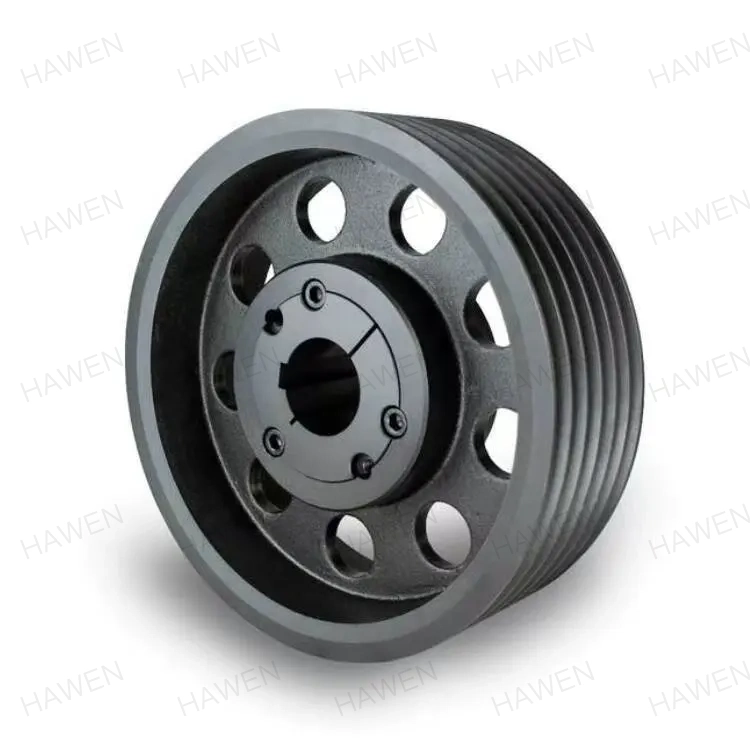
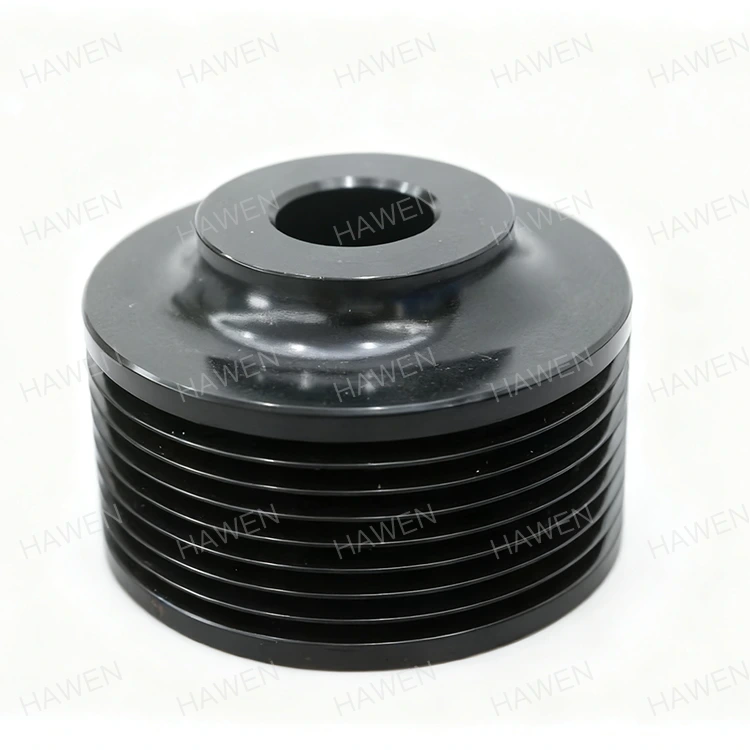
The final component design depends heavily on its application. A motor pulley may require accurate rotational geometry and stable belt engagement, while a shaft-related component may place greater emphasis on concentricity, bearing interfaces, and torque transmission.
Motor assemblies contain numerous components that must operate together under continuous rotational movement. Pulleys, hubs, shafts, couplings, and related mechanical elements can experience repeated torque, vibration, and contact stress.
For these applications, machining accuracy can influence belt tracking, rotational stability, assembly fit, and overall system behavior. The combination of suitable alloy steel and controlled machining can provide a dependable foundation for components exposed to continuous mechanical movement.
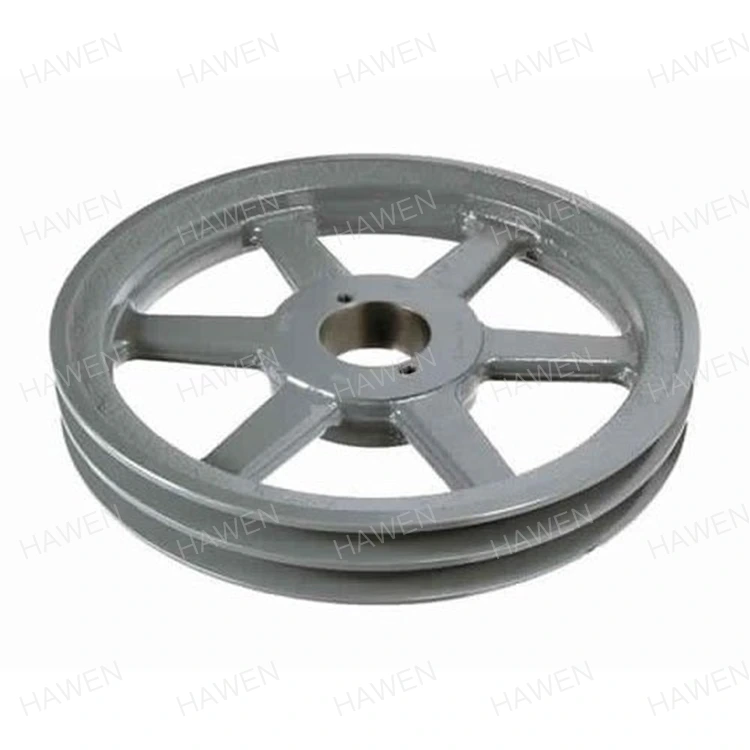
Motor pulley manufacturing is a particularly relevant example. The pulley must maintain a suitable interface with the belt while remaining securely connected to the motor assembly. Its geometry, surface condition, bore, and overall dimensional consistency all contribute to stable transmission performance.
Automation machinery often relies on repeated movement and synchronized mechanical operation. Components used in these systems may need to withstand continuous cycles while maintaining consistent positioning.
Machined steel components can be applied to drive assemblies, rotating mechanisms, connection structures, and other load-bearing areas. The ability to produce customized geometries is also important because automation equipment frequently uses components designed around specific machine architectures.
Household and commercial appliances contain many precision mechanical components that operate repeatedly throughout their service life. Washing machines, for example, depend on coordinated motor and transmission components to transfer rotational power efficiently.
In such equipment, mechanical components must combine appropriate material characteristics with consistent dimensions. Variations in component geometry can influence assembly accuracy and operating stability, making manufacturing control an important part of the overall product development process.
Not every mechanical requirement can be addressed by an off-the-shelf component. Custom-machined parts are often required when equipment manufacturers develop proprietary structures, modify existing mechanisms, or need a component with a specific interface.
Customized manufacturing allows engineers to define the material, geometry, machining method, surface treatment, and inspection requirements according to the application. This can be especially valuable for components that must integrate with existing assemblies without extensive redesign.
Successful precision component production begins before the machining equipment starts operating. Engineering teams need to understand how the component will function, what loads it will experience, how it will connect to surrounding parts, and which dimensions are functionally critical.
Material grade should be selected according to the required mechanical characteristics and manufacturing process. Heat treatment requirements should also be considered because they may influence machining behavior, dimensional stability, hardness, and final performance.
Complex geometries may require multiple machining operations. However, not every surface has the same functional importance. Engineers should distinguish between critical interfaces and non-critical surfaces so that manufacturing resources can be directed toward the dimensions that have the greatest effect on performance.
Bores, shafts, mounting faces, keyways, threads, grooves, and contact surfaces often require closer control than cosmetic areas. Establishing appropriate tolerances helps balance functional requirements with practical manufacturing capability.
Heat treatment can modify the mechanical characteristics of alloy steel and is commonly considered when components require increased hardness, wear resistance, or fatigue performance. The selected treatment should be compatible with the component design and subsequent machining process.
Surface treatment may also be considered when the working environment creates specific requirements. Depending on the application, surface engineering can address wear, friction, corrosion, or contact performance. The correct solution should always be determined according to the actual operating conditions rather than applied as a generic manufacturing step.
Quality control should not be limited to final inspection. Process stability is equally important because consistent manufacturing conditions help reduce variation between production batches.
A mature quality system may include incoming material verification, machining process control, dimensional inspection, surface inspection, functional checks, and final product verification. Documentation and traceability can further support communication between manufacturers and engineering teams.
Customized mechanical manufacturing provides more flexibility when standard parts cannot fully satisfy an application. Instead of adapting the equipment around an existing component, engineers can develop the component around the equipment.
This approach can be useful for OEM applications, replacement components, equipment upgrades, and newly developed mechanical systems. Customization may involve dimensions, mounting interfaces, material selection, surface finish, machining features, or packaging requirements.
The most effective custom manufacturing process is collaborative. Technical drawings, three-dimensional models, material specifications, tolerance requirements, sample parts, and application information can help manufacturers understand the actual purpose of the component.
Good component design considers both mechanical performance and manufacturing feasibility. A theoretically ideal geometry may be unnecessarily difficult or expensive to machine if its features do not provide meaningful functional benefits.
Design-for-manufacturing principles can help engineers simplify unnecessary features, improve tool accessibility, reduce excessive machining operations, and establish realistic tolerances. This does not mean compromising performance. Instead, it means creating a more balanced relationship between design requirements and production capability.
For recurring production programs, consistency and efficiency become increasingly important. A stable machining process can help manufacturers maintain repeatable component quality while supporting predictable production planning.
Efficient manufacturing is not simply about machining faster. Tool selection, fixture design, machining sequence, inspection strategy, material utilization, and production planning all contribute to the overall manufacturing result.
The precision mechanical component industry is moving toward greater integration between engineering design, digital manufacturing, quality management, and customized production. Customers increasingly expect manufacturers to provide more than basic machining services. Technical communication, process development, quality assurance, and application support are becoming important parts of the manufacturing relationship.
Automation is also influencing production environments. CNC equipment, automated handling, digital inspection, and production data management can improve process repeatability and help manufacturers identify deviations earlier.
At the same time, manufacturers are paying closer attention to material efficiency and production sustainability. Optimized machining strategies can reduce unnecessary material removal, tool consumption, and production waste while maintaining the required component quality.
As machinery becomes more specialized, the demand for application-specific mechanical components continues to grow. Equipment manufacturers may require unique dimensions or interfaces that are not available from standard component catalogs.
This trend creates opportunities for precision machining companies that can combine engineering capability with flexible production. Manufacturers with experience in both standardized components and customized parts can respond more effectively to different mechanical requirements.
Quality control is increasingly becoming part of engineering development rather than a separate final-stage activity. When inspection requirements are considered during product development, critical dimensions can be identified earlier and manufacturing processes can be designed around measurable performance criteria.
This integrated approach can help improve repeatability, reduce unnecessary rework, and create clearer communication between design teams and manufacturing facilities.
The reliability of a machined component is the result of multiple connected factors. Material selection, machining accuracy, heat treatment, surface condition, inspection, and assembly compatibility all contribute to the final result.
For alloy steel machined parts, process control is particularly important because alloy steel grades can respond differently to cutting conditions and heat treatment. Machining parameters should therefore be selected according to the material characteristics, component geometry, tooling strategy, and required finish.
Stable fixtures can help maintain positioning accuracy during machining, while appropriate cutting tools can improve process consistency and surface quality. Inspection equipment then provides feedback on whether the finished component remains within the required specifications.
For industrial applications, consistency can be just as important as the performance of an individual sample. A component that performs well in one production run but varies significantly in later batches may create assembly and reliability challenges.
Repeatable production requires standardized procedures, trained operators, suitable equipment, controlled materials, and effective inspection methods. These elements form the foundation of a manufacturing system capable of supporting long-term component supply.
OEM component manufacturing requires close attention to technical specifications and production consistency. Mechanical parts may need to match existing assemblies precisely, making communication between the engineering and manufacturing teams essential.
A capable manufacturer should be able to review drawings, understand functional requirements, recommend appropriate manufacturing processes, and maintain consistent quality during production. This capability becomes especially valuable when components are designed specifically for a customer's machinery.
Precision machining is not defined only by the availability of CNC equipment. Manufacturing experience influences how materials are selected, how machining processes are arranged, how tolerances are interpreted, and how quality risks are controlled.
Experienced manufacturers are more likely to identify potential production difficulties during the engineering stage. They can evaluate whether a geometry is practical to machine, whether a tolerance is functionally necessary, and whether a particular surface treatment is suitable for the intended application.
This engineering-oriented approach can make the transition from drawing to finished component more predictable. It also provides a stronger foundation for customized mechanical component development.
HAWEN is the affiliated company of Zhejiang Telilong Precision Machinery Co., Ltd., established as a wholly opened subsidiary specializing in international trade. Behind HAWEN's international business is a manufacturing organization with long-term experience in precision mechanical component research, development, and production.
Zhejiang Telilong Precision Machinery Co., Ltd. developed from Zhejiang Telilong Auto Parts Co., Ltd. and has evolved into a modern manufacturing enterprise integrating research and development, production, and sales. Its technical background provides HAWEN with a strong manufacturing foundation for motor pulley products and customized mechanical components.
The company has placed particular emphasis on motor pulley development and has accumulated extensive experience in supplying components for motor manufacturers. Its product portfolio also extends to customized mechanical parts, allowing the company to support applications that require specific dimensions, structures, and manufacturing requirements.
HAWEN's connection with Telilong is particularly relevant to applications involving motor-driven mechanical systems. The company has developed and manufactured motor pulley products for many years and has established long-term cooperation with recognized motor manufacturers.
This experience gives the organization practical knowledge of rotational components, belt-driven systems, dimensional consistency, and production requirements. Such manufacturing experience can also support the development of customized mechanical components for related industrial applications.
HAWEN's business model combines established motor pulley products with customized mechanical manufacturing. This allows the company to address both recurring component requirements and application-specific engineering projects.
For customers developing mechanical assemblies, this combination can simplify technical communication by bringing product manufacturing and custom component capabilities together within an experienced manufacturing organization.
When evaluating a precision-machined component, engineers should look beyond the material name alone. The actual suitability of a component depends on the relationship between material characteristics, geometry, machining accuracy, surface condition, operating environment, and assembly requirements.
For applications requiring strength and durability, alloy steel may provide an appropriate material foundation. However, the final component should be designed and manufactured according to its actual function rather than selected solely because of the material category.
Clear technical communication is therefore essential. Drawings, specifications, operating conditions, expected loads, assembly interfaces, and quality requirements provide valuable information for selecting the right manufacturing approach.
When these factors are evaluated together, alloy steel machined parts can provide a practical solution for demanding mechanical assemblies that require controlled dimensions and dependable mechanical performance.
Precision mechanical manufacturing is increasingly focused on the complete relationship between material, machining, engineering design, and application performance. Alloy steel provides useful mechanical characteristics for components exposed to load, wear, torque, vibration, and repeated operation, while precision machining transforms those material properties into functional mechanical geometries.
The value of a machined component ultimately depends on more than its raw material. Consistent machining, appropriate heat treatment, controlled surface characteristics, accurate inspection, and application-specific engineering all contribute to reliable performance.
With its manufacturing background in precision mechanical components, long-term experience in motor pulley development, and focus on customized mechanical parts, HAWEN provides an established manufacturing foundation for companies seeking dependable mechanical component solutions. Supported by the technical capabilities of Zhejiang Telilong Precision Machinery Co., Ltd., HAWEN is positioned to serve international industrial applications that require consistent quality, engineering cooperation, and professionally manufactured precision components.
-
No.809 Jinniu Street, Bihu Town, Liandu District, Lishui City, Zhejiang Province China
Copyright © 2026 Zhejiang Hawen Electromechanical Co., Ltd. All Rights Reserved. Links| Sitemap| RSS| XML| Privacy Policy