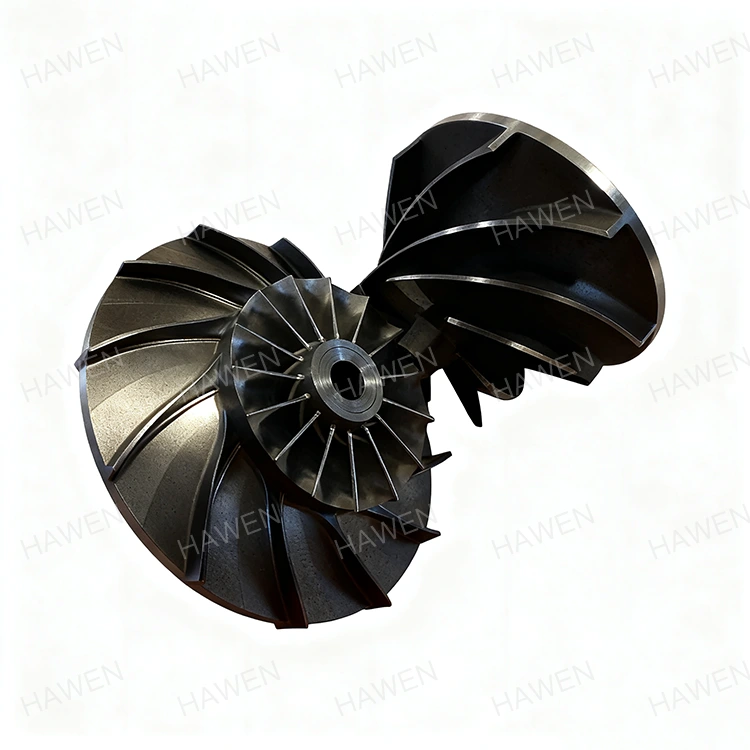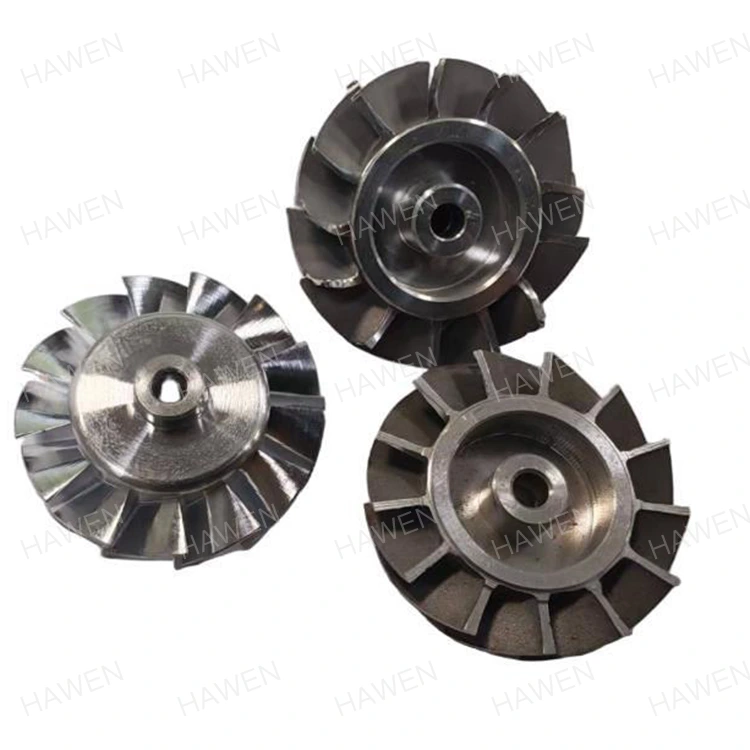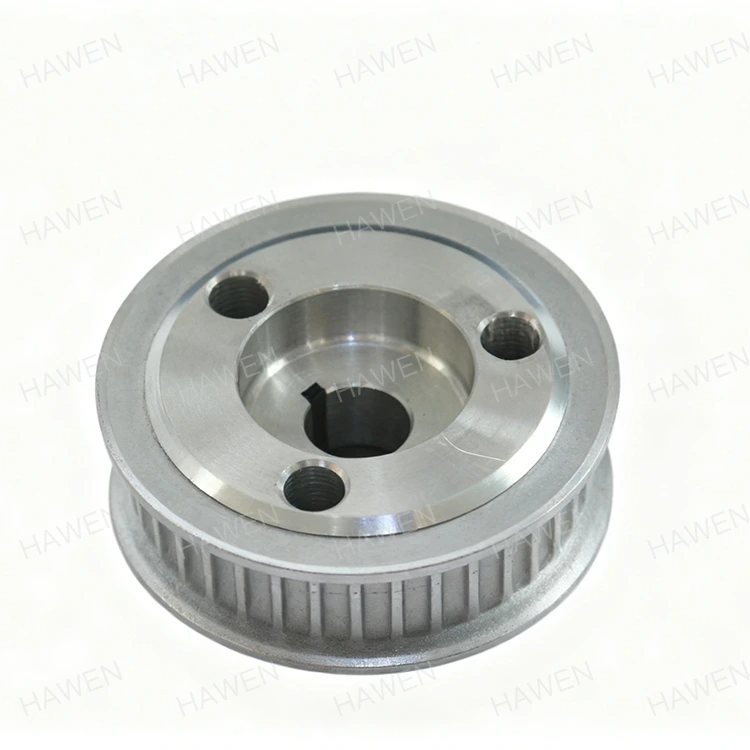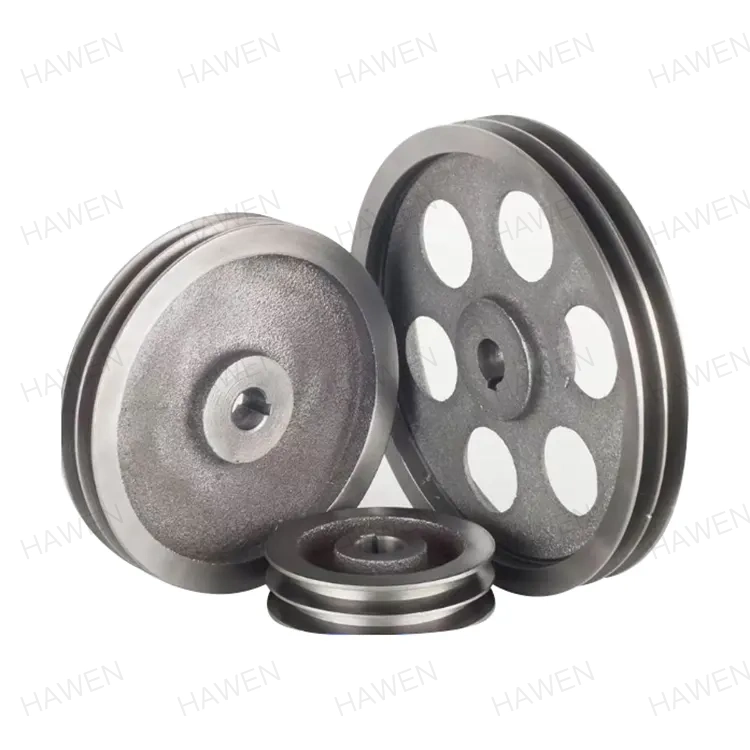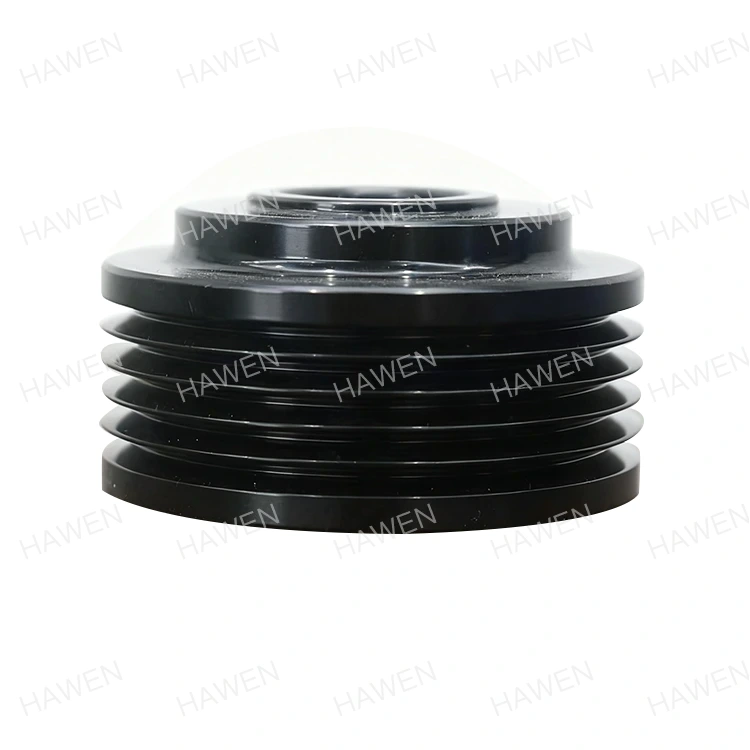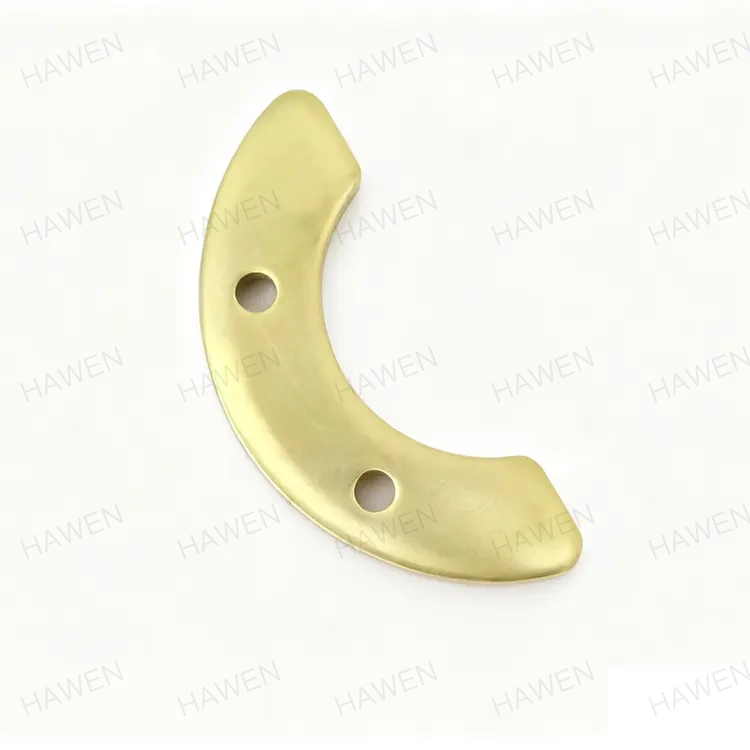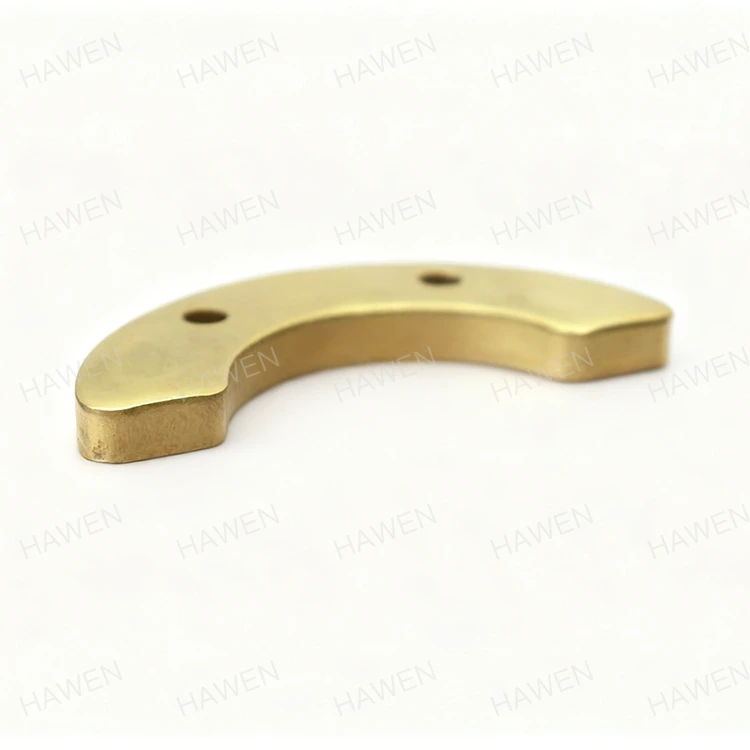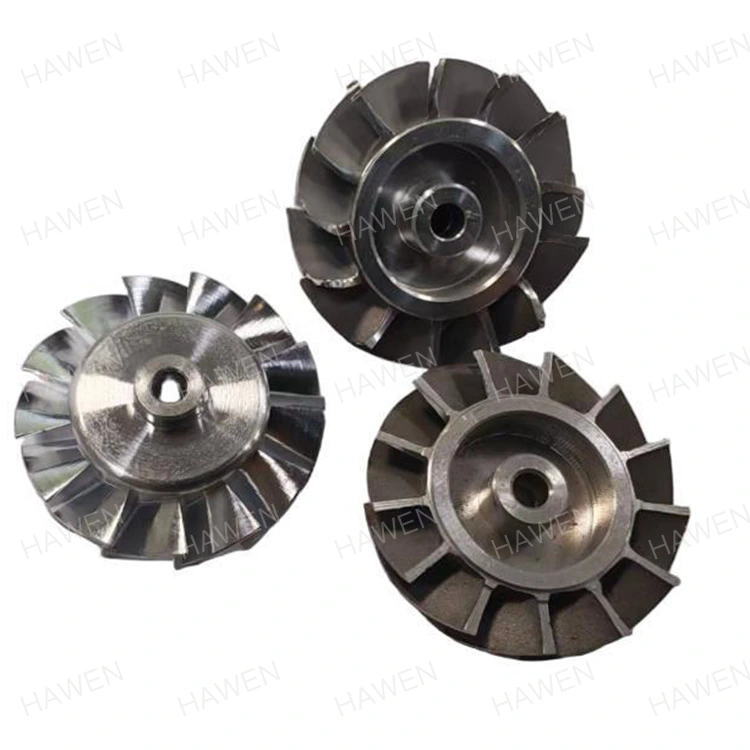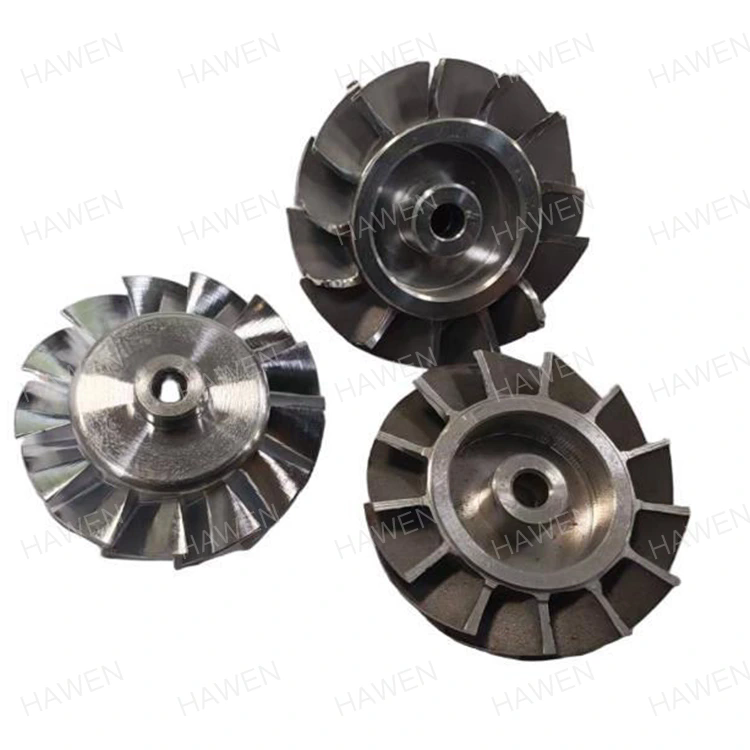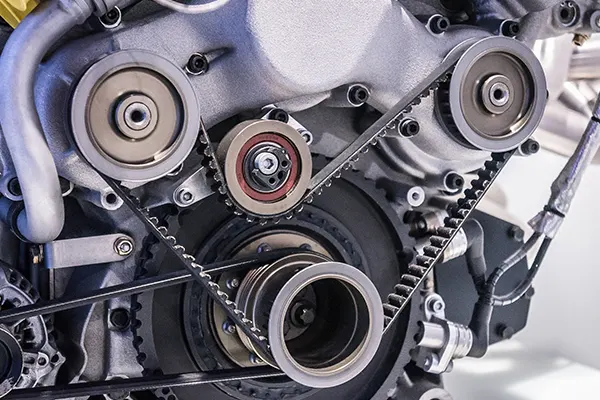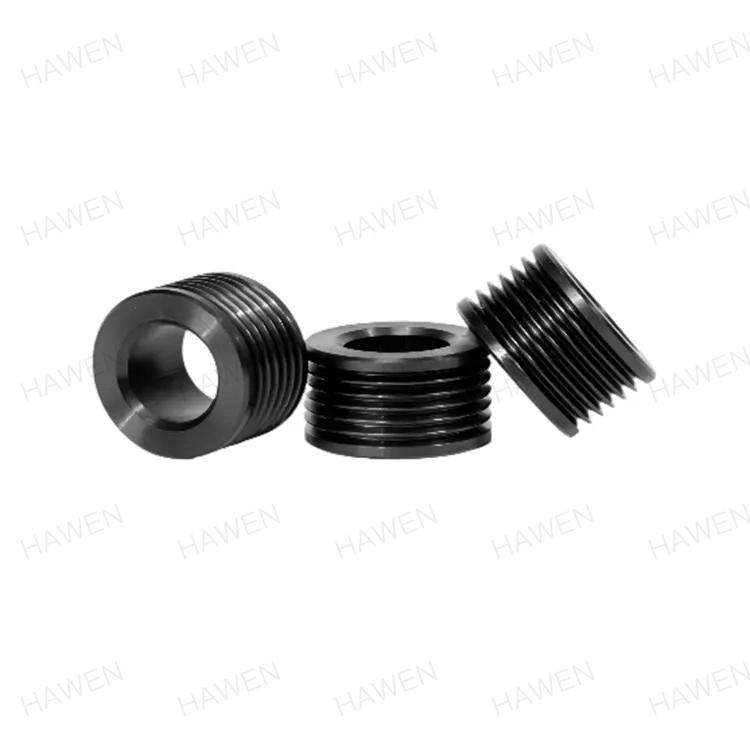

When manufacturers need reliable and lightweight motor components, Hawen provides precision-engineered Aluminum Motor Housing solutions designed for modern electric motor applications. With excellent thermal conductivity, corrosion resistance, and dimensional accuracy, aluminum motor housings have become an essential choice for industries requiring efficient heat dissipation and durable motor protection.
As electric mobility, industrial automation, and energy-efficient equipment continue to expand, selecting the right motor housing material directly affects motor performance, lifespan, and operational stability. Aluminum motor housings offer a balanced combination of strength, weight reduction, and manufacturing flexibility, making them widely used in automotive motors, industrial motors, household appliances, and new energy equipment.
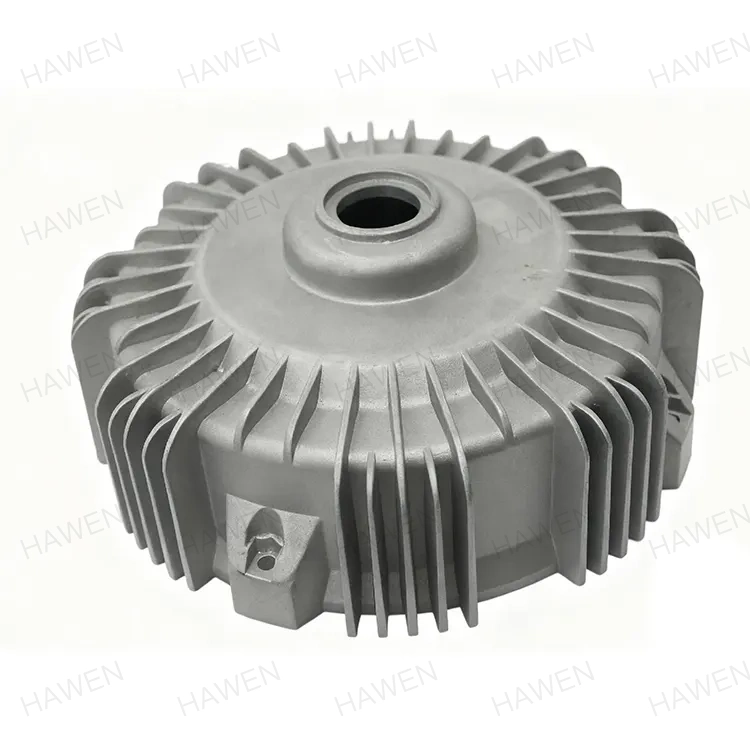
Table of Contents
- Why Is Aluminum Motor Housing Important for Electric Motors?
- What Are the Main Advantages of Aluminum Motor Housing?
- How Is Aluminum Motor Housing Manufactured?
- Where Is Aluminum Motor Housing Commonly Used?
- Aluminum Motor Housing vs Other Housing Materials
- How to Choose a Reliable Aluminum Motor Housing Supplier?
- Frequently Asked Questions About Aluminum Motor Housing
Why Is Aluminum Motor Housing Important for Electric Motors?
The motor housing is a critical structural component that protects internal electrical and mechanical parts while maintaining stable operating conditions. A high-quality Aluminum Motor Housing provides strong mechanical support while improving heat management during continuous motor operation.
Unlike traditional steel housings, aluminum materials have lower density and excellent thermal conductivity. These properties allow motors to achieve better efficiency while reducing overall equipment weight. For electric vehicles, automation systems, and portable devices, weight reduction plays an important role in improving energy efficiency and performance.
In addition, aluminum motor housings help prevent external damage caused by dust, moisture, and environmental conditions. Precision manufacturing ensures accurate dimensions, proper assembly, and long-term reliability.
What Are the Main Advantages of Aluminum Motor Housing?
Choosing the correct motor housing material can significantly influence motor efficiency and durability. Aluminum motor housing offers multiple advantages that make it suitable for advanced industrial applications.
- Excellent Heat Dissipation: Aluminum quickly transfers heat away from the motor, helping prevent overheating and improving operational stability.
- Lightweight Structure: Compared with steel alternatives, aluminum reduces overall motor weight while maintaining sufficient mechanical strength.
- Corrosion Resistance: Aluminum naturally forms an oxide layer that provides protection against corrosion in different working environments.
- Precision Machining Capability: Aluminum alloys are suitable for CNC machining, die casting, and other advanced manufacturing methods.
- Long Service Life: Properly manufactured aluminum housings provide reliable protection for motors during extended operation.
| Feature | Aluminum Motor Housing Performance | Industrial Benefit |
|---|---|---|
| Material Weight | Low density aluminum alloy structure | Reduces equipment weight and improves efficiency |
| Thermal Conductivity | Excellent heat transfer capability | Maintains stable motor temperature |
| Corrosion Resistance | Natural protective oxide layer | Suitable for various environments |
| Manufacturing Flexibility | Supports casting and precision machining | Allows customized motor designs |
| Durability | High strength-to-weight ratio | Extends motor service lifespan |
How Is Aluminum Motor Housing Manufactured?
Producing a high-performance Aluminum Motor Housing requires advanced manufacturing technology and strict quality control. Professional manufacturers usually combine material selection, precision forming, machining, and inspection processes to achieve consistent product performance.
1. Aluminum Alloy Selection
The manufacturing process begins with selecting suitable aluminum alloys according to application requirements. Different alloys provide different levels of strength, thermal conductivity, and corrosion resistance.
2. Precision Forming Process
Aluminum motor housings are commonly produced through processes such as aluminum die casting, extrusion, and CNC machining. These methods ensure accurate dimensions and stable structural performance.
3. Surface Treatment
Surface treatments including anodizing, coating, and polishing improve appearance, corrosion resistance, and environmental durability.
4. Quality Inspection
Professional suppliers conduct dimensional inspections, material testing, and performance evaluations to ensure each housing meets customer requirements.
Where Is Aluminum Motor Housing Commonly Used?
Due to its lightweight structure and excellent thermal performance, Aluminum Motor Housing is widely applied across multiple industries.
- Electric Vehicles: Used for traction motors, battery cooling systems, and lightweight automotive components.
- Industrial Automation: Applied in servo motors, robotic systems, and precision manufacturing equipment.
- Household Appliances: Used in washing machines, air conditioners, and energy-efficient electrical products.
- New Energy Equipment: Suitable for motors used in renewable energy systems and smart devices.
- Commercial Machinery: Supports continuous operation in pumps, compressors, and industrial drive systems.
Aluminum Motor Housing vs Other Housing Materials
When selecting motor components, manufacturers often compare aluminum with materials such as cast iron and steel. Although traditional materials provide strong mechanical performance, aluminum motor housing offers significant advantages in weight reduction, heat management, and manufacturing flexibility.
| Comparison Item | Aluminum Motor Housing | Steel Housing | Cast Iron Housing |
|---|---|---|---|
| Weight | Lightweight design with excellent strength-to-weight ratio | Heavier structure | Very heavy construction |
| Heat Dissipation | Excellent thermal conductivity | Moderate heat transfer performance | Lower thermal efficiency |
| Corrosion Resistance | High resistance with proper surface treatment | Requires additional protection | Can be affected by rust over time |
| Processing Efficiency | Easy for casting and precision machining | More difficult machining process | Complex processing requirements |
| Typical Applications | EV motors, automation, compact motors | Heavy-duty industrial motors | Large stationary equipment |
For applications where energy efficiency, compact design, and thermal performance are priorities, aluminum motor housing is often a more suitable option. Its flexibility allows engineers to design smaller and lighter motors without compromising reliability.
How to Choose a Reliable Aluminum Motor Housing Supplier?
Selecting the right supplier is essential for ensuring consistent quality, accurate production, and long-term cooperation. A professional Aluminum Motor Housing manufacturer should have strong engineering capabilities, advanced production equipment, and strict quality management systems.
Before purchasing, buyers should evaluate the following factors:
- Manufacturing Experience: Choose suppliers with proven experience in aluminum alloy processing and motor component production.
- Production Capability: Confirm whether the manufacturer has advanced equipment such as CNC machining centers, die casting machines, and inspection systems.
- Customization Ability: A reliable supplier should provide customized solutions according to motor size, structure, and performance requirements.
- Quality Control: Professional factories should conduct strict inspections throughout material selection, production, and final delivery.
- Technical Support: Engineering support and communication ability are important for developing optimized motor housing solutions.
Companies searching for a China Aluminum Motor Housing supplier should focus not only on product pricing but also on manufacturing reliability, engineering expertise, and after-sales support. A qualified manufacturer can help customers reduce production risks and improve product competitiveness.
What Makes a High-Quality Aluminum Motor Housing?
A high-quality Aluminum Motor Housing is not simply a protective shell. It is an engineered component that directly influences motor efficiency, durability, and safety. Several technical factors determine the final product performance.
- Material Consistency: Premium aluminum alloys ensure stable mechanical properties and reliable performance.
- Dimensional Accuracy: Precise machining guarantees proper alignment between housing components and internal motor parts.
- Structural Strength: Optimized design prevents deformation under vibration, heat, and mechanical stress.
- Surface Protection: Advanced finishing improves corrosion resistance and product appearance.
- Production Stability: Standardized manufacturing processes ensure consistent quality for mass production.
With the increasing demand for energy-saving motors, manufacturers are continuously improving aluminum housing designs through lightweight structures, optimized heat channels, and advanced production technologies.
Why Will Aluminum Motor Housing Continue Growing in Demand?
The global transition toward electrification and intelligent manufacturing is creating new opportunities for aluminum motor housing applications. Electric vehicles, robotics, and renewable energy systems require motors that are smaller, lighter, and more efficient.
Aluminum materials meet these requirements because they provide excellent thermal performance while reducing overall system weight. As industries continue pursuing higher energy efficiency and lower carbon emissions, aluminum motor housing will remain an important component in next-generation motor technology.
Future developments are expected to focus on:
- More lightweight structural designs
- Improved heat dissipation systems
- Higher precision manufacturing processes
- Greater customization for specialized motors
- Integration with smart manufacturing technologies
Frequently Asked Questions About Aluminum Motor Housing
1. What is an Aluminum Motor Housing?
An Aluminum Motor Housing is an external protective structure made from aluminum alloy that supports and protects motor components. It helps improve heat dissipation, reduce weight, and enhance overall motor performance.
2. Why is aluminum used for motor housings?
Aluminum is widely used because it combines lightweight characteristics with excellent thermal conductivity and corrosion resistance. These advantages make it suitable for electric vehicles, industrial motors, and compact electrical equipment.
3. Can Aluminum Motor Housing be customized?
Yes. Professional manufacturers can customize aluminum motor housings according to motor dimensions, mounting requirements, cooling structures, and application environments.
4. What manufacturing methods are used for aluminum motor housing?
Common manufacturing methods include aluminum die casting, extrusion forming, CNC machining, and surface treatment processes. The selected method depends on product structure and production requirements.
5. How can I find a reliable Aluminum Motor Housing manufacturer?
Buyers should evaluate supplier experience, production equipment, quality control systems, customization capability, and technical support services before cooperation.
Conclusion
Aluminum Motor Housing has become a key component for modern electric motors because of its lightweight structure, excellent thermal performance, corrosion resistance, and flexible manufacturing possibilities. From electric vehicles and industrial automation to energy-efficient appliances, aluminum housing solutions continue to support the development of more efficient and reliable motor systems.
Choosing an experienced manufacturer is essential for obtaining high-quality products with stable performance and customized solutions. If you are looking for professional Aluminum Motor Housing solutions with reliable manufacturing capability and technical support, please contact us today to discuss your project requirements and find the right solution for your application.