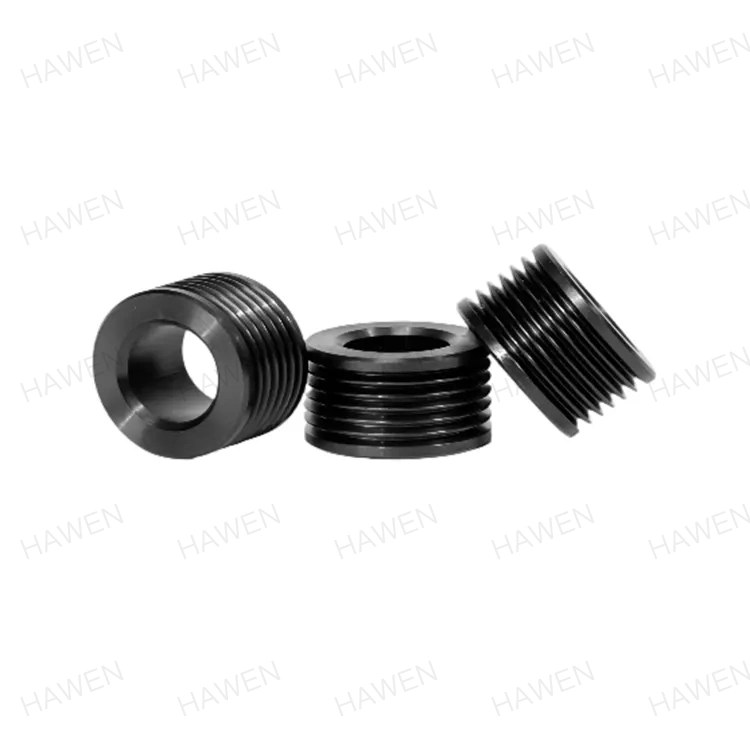
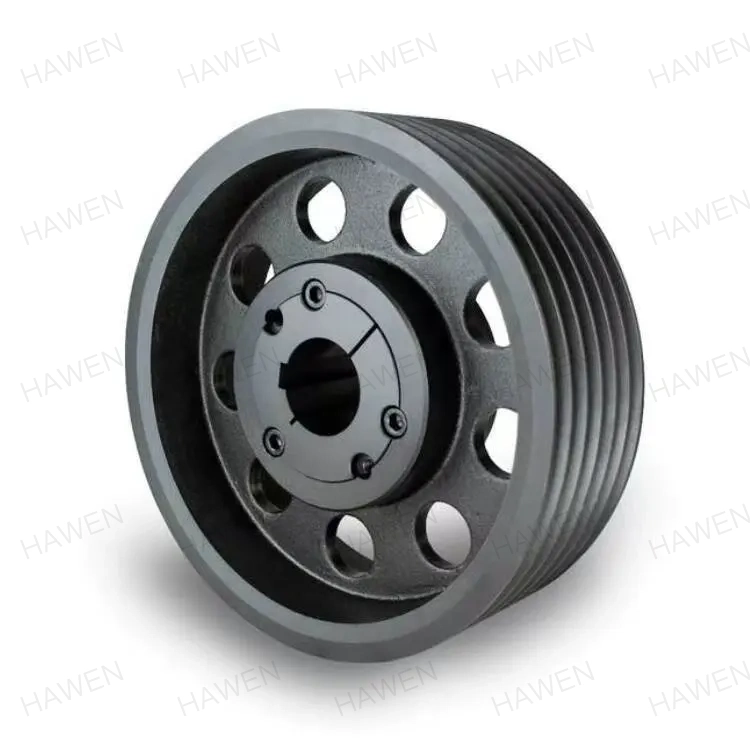
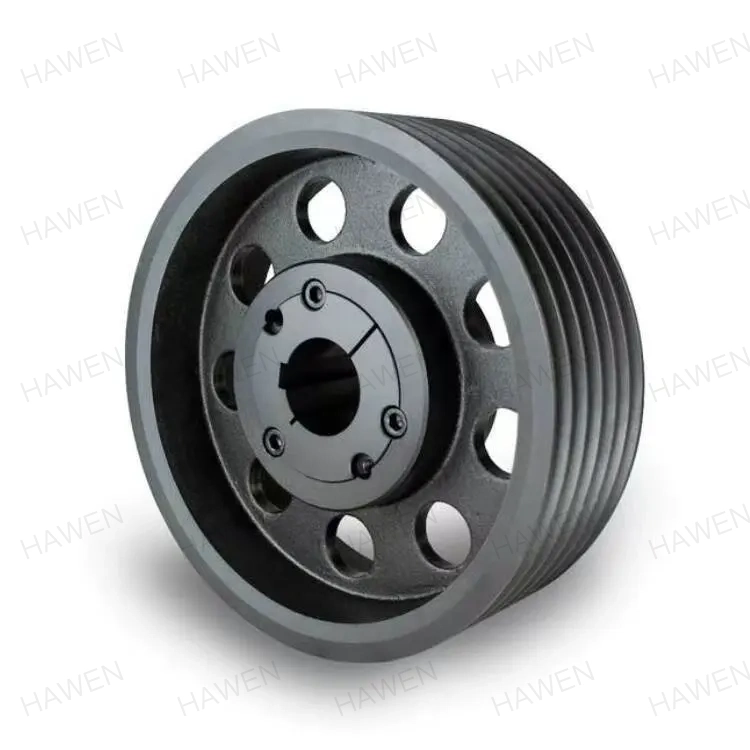
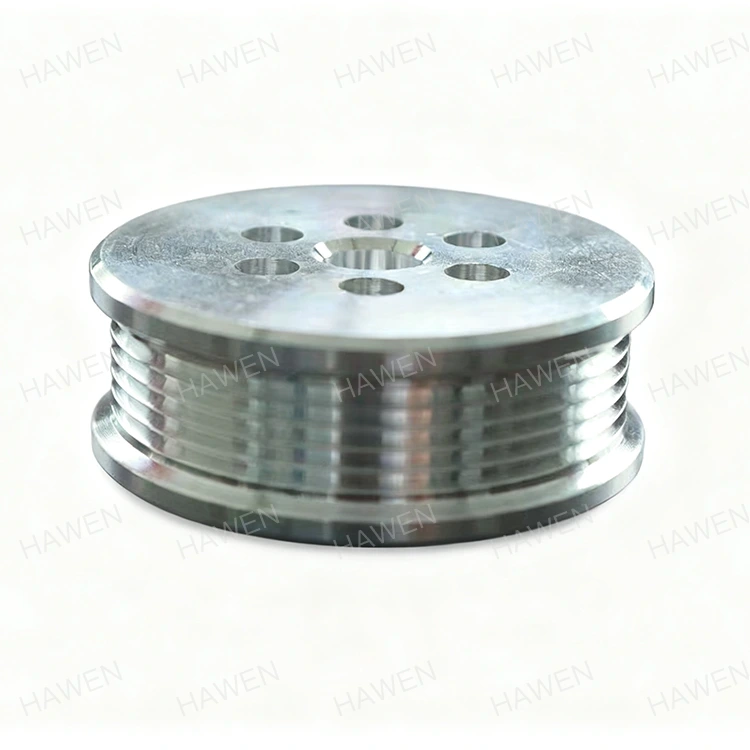
From hoisting the sails on ancient ships to lifting massive steel beams in modern skyscrapers, the pulley is a fundamental invention that has shaped human progress. Deceptively simple in design, this humble device is a classic example of a simple machine—a mechanism that trades the magnitude of a force for the distance through which it is applied, making work feel easier.
The Basic Principle: Redirecting Force
At its core, a pulley is a wheel on an axle, designed to support movement and change of direction of a cable or belt along its circumference. The simplest form is the fixed pulley, where the wheel is anchored to a structure. It doesn't provide a mechanical advantage (the force you apply equals the weight you lift), but it offers a crucial benefit: it changes the direction of the force. Instead of pulling upwards to lift a heavy bucket from a well, you can pull down, using your body weight more effectively. This simple redirection was a revolutionary ergonomic improvement.
The true power of the pulley is unlocked with the movable pulley, where the wheel is attached to the load. In this configuration, the cable supports the weight on both sides of the pulley, meaning you only need to apply half the force to lift the load. However, you must pull the rope twice as far. This is the essence of mechanical advantage: trading force for distance.
Compound Systems: Mechanical Advantage Multiplied
For lifting even heavier objects, pulleys are combined into compound systems, the most common being a block and tackle. This arrangement uses multiple fixed and movable pulleys in tandem. The mechanical advantage is directly proportional to the number of rope segments supporting the movable block. For example, a system with four supporting strands multiplies your force by four, allowing a single person to lift what would normally require the strength of four. This principle enabled ancient engineers to build colossal structures like the Egyptian pyramids and Greek temples.
Modern Applications: From Gym to Galaxy
The pulley’s utility has only expanded in the modern era:
Construction & Engineering: Cranes use massive, complex pulley systems to lift precariously heavy materials to great heights.
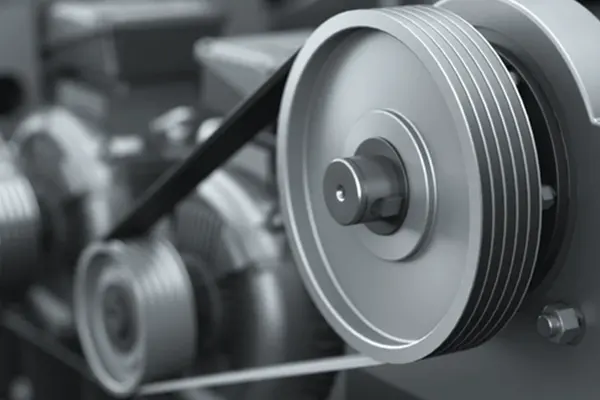
Transportation: Elevators rely on robust pulley-like systems (often using sheaves and steel cables) to move cabins safely. Your car's serpentine belt is a continuous pulley system that drives essential components like the alternator and water pump.
Exercise: Weight machines in gyms use pulleys to redirect resistance, allowing for controlled, isolated muscle training and safe weight stacking.
Everyday Life: Blinds, flagpoles, clotheslines, and garage doors all incorporate simple pulley mechanisms for smooth operation.
Advanced Technology: In aerospace, pulley systems are used in aircraft controls and even in the deployment mechanisms for satellite solar panels.
The Unseen Hero
The pulley's enduring legacy lies in its elegant application of basic physics. It requires no engines or electricity, only ingenuity. By mastering the balance between force and distance, this simple machine allowed humanity to overcome physical limitations, redistribute weight, and reimagine what was possible to build and move. It remains, quite literally, a wheel that turns the gears of civilization, a timeless testament to the power of a simple idea. From raising a sail to catch the wind to raising a skyscraper to scrape the sky, the pulley has been, and continues to be, an indispensable tool in humanity's ongoing endeavor to shape its world.
We use cookies to offer you a better browsing experience, analyze site traffic and personalize content. By using this site, you agree to our use of cookies.Privacy Policy