News

How Can a Shaft Balance Weight Improve Rotating Equipment Performance and Reliability

2026-07-20 0 Leave me a message

Article Summary: A shaft balance weight is an essential component designed to correct rotational imbalance, reduce vibration, and improve the operational stability of rotating machinery. Hawen provides precision-engineered shaft balance weight solutions that help manufacturers enhance equipment durability, improve energy efficiency, and maintain smooth mechanical performance across automotive, industrial, and engineering applications. This guide explains the working principles, manufacturing processes, advantages, applications, and selection factors of shaft balance weights.

Shaft Balance Weight

Table of Contents


What Is a Shaft Balance Weight?

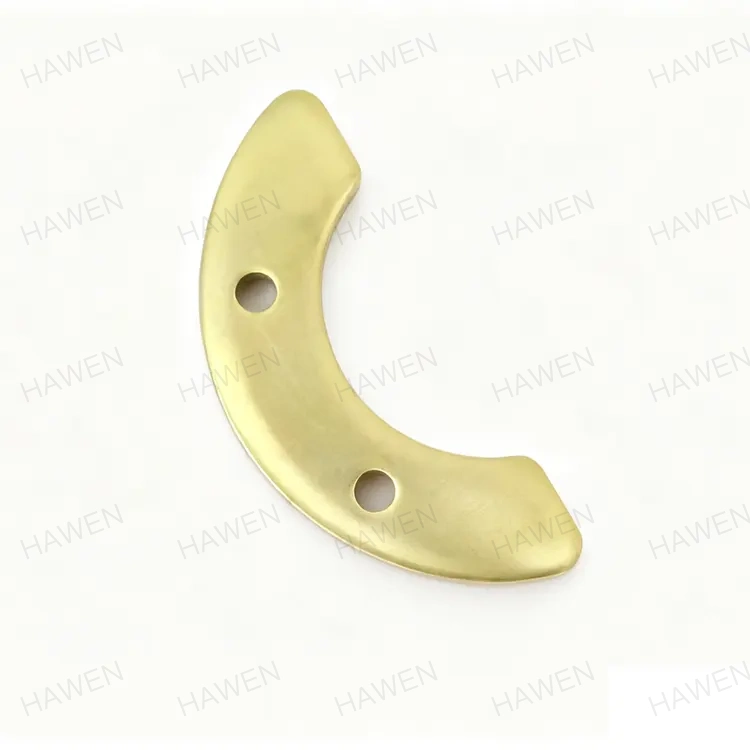
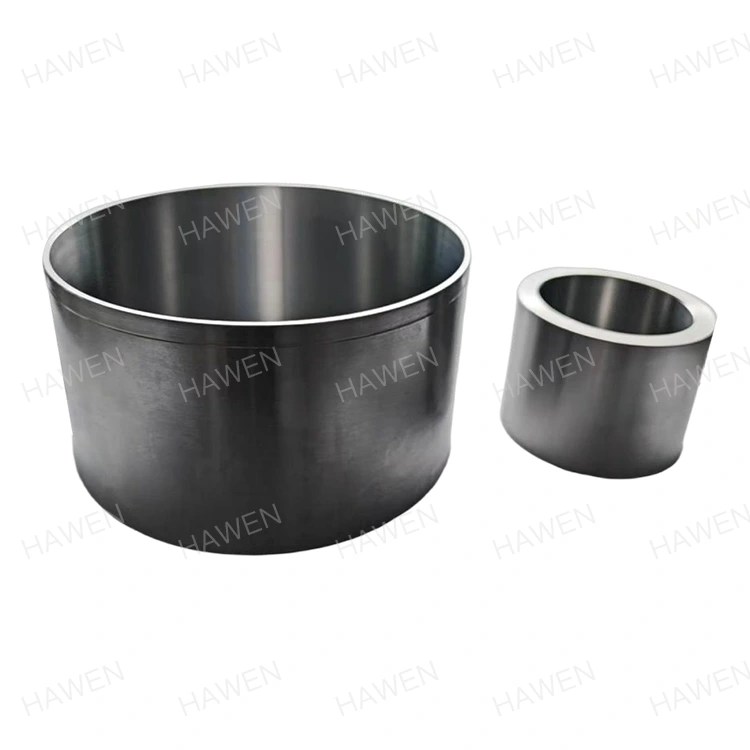
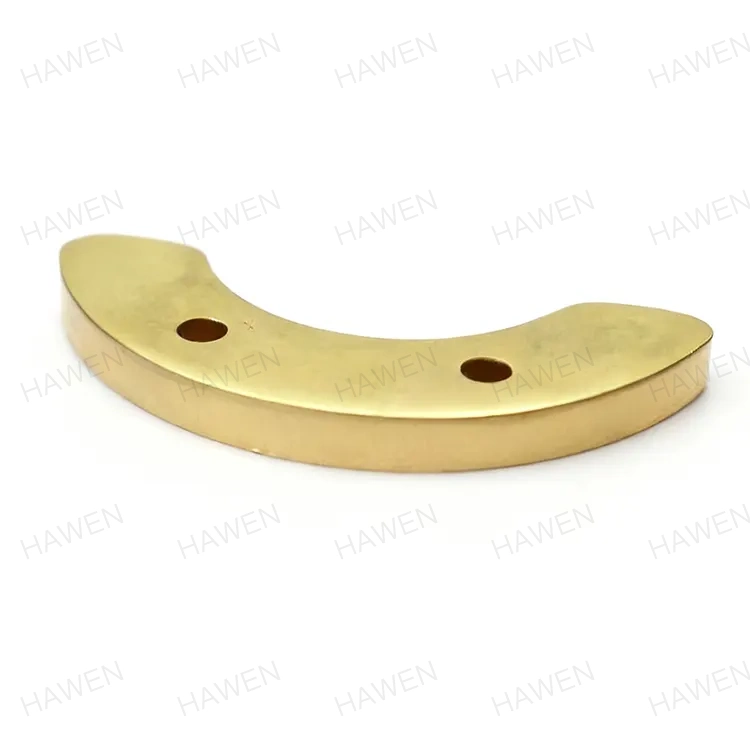
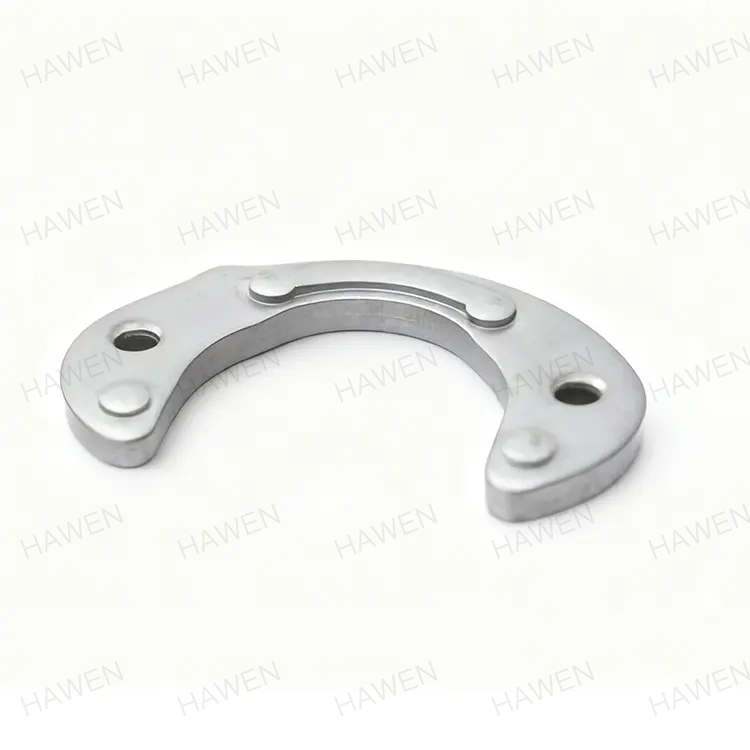
A shaft balance weight is a precision mechanical component installed on rotating shafts to compensate for uneven mass distribution and minimize imbalance during operation. When a shaft rotates at high speed, even a small deviation in weight distribution can generate centrifugal forces, resulting in vibration, noise, and accelerated component wear.

The main purpose of a shaft balance weight is to achieve dynamic balance by adding the correct amount of counterweight at a specific position on the shaft assembly. This allows rotating equipment to operate smoothly while extending service life and improving overall reliability.

Modern industrial machinery requires highly accurate balancing solutions because rotating systems often operate under continuous loads and high rotational speeds. A properly designed shaft balance weight helps maintain precision performance in engines, motors, pumps, compressors, and other mechanical systems.


Why Is Shaft Balance Weight Important for Rotating Equipment?

Rotational imbalance is one of the major causes of mechanical failure. Without proper balancing, equipment may experience excessive vibration, reduced efficiency, and unexpected downtime. Shaft balance weights provide an effective solution by correcting weight distribution and improving mechanical stability.

The importance of shaft balance weight can be reflected in several key aspects:

  • Reduced vibration: Balanced shafts create smoother rotation and decrease harmful vibration forces.
  • Extended equipment lifespan: Lower vibration reduces stress on bearings, gears, and connecting components.
  • Improved energy efficiency: Balanced rotating parts require less power consumption during operation.
  • Enhanced operating safety: Proper balancing prevents mechanical failures caused by excessive centrifugal forces.
  • Better product quality: Stable machine operation improves manufacturing accuracy and consistency.

For industries that rely on continuous production, selecting a reliable shaft balance weight supplier is critical for maintaining stable equipment performance.


How Does a Shaft Balance Weight Work?

The working principle of a shaft balance weight is based on correcting the center of gravity of a rotating component. During operation, an unbalanced shaft generates an uneven centrifugal force because the rotation axis does not match the mass center.

By installing a precisely calculated balance weight, the additional mass creates an opposite force that offsets the imbalance. As a result, the shaft rotates closer to its ideal axis, reducing vibration and improving mechanical efficiency.

Component Factor Function Impact on Performance
Weight Accuracy Provides precise compensation for imbalance Improves rotational stability
Material Strength Maintains durability under continuous operation Extends service life
Installation Position Controls balancing effectiveness Reduces vibration and noise
Surface Precision Ensures proper fitting with shaft components Improves assembly reliability

Manufacturing Process and Quality Control

High-quality shaft balance weight production requires advanced manufacturing technology and strict quality inspection procedures. Precision is especially important because small dimensional errors can influence the balancing performance of high-speed rotating equipment.

The typical manufacturing process includes:

  1. Material selection: Choosing suitable materials according to strength requirements, operating conditions, and application environments.
  2. Precision machining: Using CNC machining technology to achieve accurate dimensions and stable structures.
  3. Surface treatment: Improving corrosion resistance, wear resistance, and product durability.
  4. Dynamic balancing testing: Checking balance accuracy under simulated operating conditions.
  5. Final inspection: Ensuring every shaft balance weight meets quality and performance requirements before delivery.

A professional manufacturer focuses not only on product accuracy but also on consistency during mass production. Strict quality management helps customers receive reliable components suitable for long-term industrial applications.


Main Applications of Shaft Balance Weight

Shaft balance weights are widely used in various industries where rotating systems require stable and precise operation. Their ability to reduce vibration makes them an important solution for improving equipment reliability.

Industry Application Equipment Benefits
Automotive Industry Engine shafts, transmission systems, rotating assemblies Improves driving smoothness and reduces vibration
Industrial Machinery Motors, compressors, pumps Enhances operation stability and durability
Manufacturing Equipment High-speed production machines Maintains precision and production efficiency
Energy Equipment Turbines and generators Supports reliable long-term operation

How to Choose the Right Shaft Balance Weight?

Selecting a suitable shaft balance weight requires consideration of multiple technical factors. The correct choice depends on equipment structure, rotational speed, operating environment, and balancing requirements.

  • Check application requirements: Determine the equipment type and operating conditions.
  • Confirm dimensional accuracy: Ensure compatibility with the shaft design.
  • Evaluate material performance: Select materials according to load and environmental requirements.
  • Consider balancing precision: High-speed applications require stricter balance accuracy.
  • Choose an experienced manufacturer: Professional production capability ensures stable quality.

Working with an experienced shaft balance weight manufacturer helps customers reduce maintenance costs and improve equipment reliability.


Key Advantages of Using Precision Shaft Balance Weight

Precision-engineered shaft balance weights provide significant advantages for industrial equipment manufacturers and maintenance teams.

  • High balancing accuracy for smooth shaft rotation.
  • Reduced mechanical vibration and operating noise.
  • Lower stress on bearings and connected components.
  • Improved machine efficiency and productivity.
  • Long-term durability under demanding working conditions.
  • Suitable for customized mechanical designs.

With advanced engineering technology and strict manufacturing standards, precision shaft balance weight solutions can help businesses achieve higher equipment performance and operational reliability.


Frequently Asked Questions About Shaft Balance Weight

1. What is the main function of a shaft balance weight?

The main function of a shaft balance weight is to correct rotational imbalance by adjusting mass distribution on a rotating shaft. It helps reduce vibration, noise, and mechanical stress during operation.

2. What materials are commonly used for shaft balance weights?

Shaft balance weights are commonly manufactured from durable metals such as steel, stainless steel, or other customized alloys depending on application requirements, load conditions, and environmental factors.

3. How does a shaft balance weight improve equipment lifespan?

By minimizing vibration and reducing unnecessary mechanical stress, shaft balance weights protect components such as bearings, shafts, and gears, helping extend the service life of rotating equipment.

4. Can shaft balance weights be customized?

Yes. Professional manufacturers can customize shaft balance weights according to specific dimensions, weight requirements, material specifications, and application conditions.

5. Why should companies choose a professional shaft balance weight supplier?

A professional supplier can provide accurate manufacturing, reliable quality control, technical support, and customized solutions to ensure the balance weight meets actual equipment requirements.


Conclusion

A reliable shaft balance weight plays an important role in improving the stability, efficiency, and durability of rotating machinery. From automotive components to industrial equipment, accurate balancing solutions help reduce vibration, optimize performance, and prevent unnecessary maintenance costs. Choosing a professional manufacturer with advanced machining capabilities and strict quality control ensures long-term value for your applications. If you need customized shaft balance weight solutions or professional technical support, please contact us today to discuss your requirements and receive a suitable solution for your project.

Related News
Leave me a message
X
We use cookies to offer you a better browsing experience, analyze site traffic and personalize content. By using this site, you agree to our use of cookies.Privacy Policy
RejectAccept