News

Why Is Dynamic Balance Weight Essential for Improving Rotor Performance and Extending Equipment Life

2026-07-17 0 Leave me a message

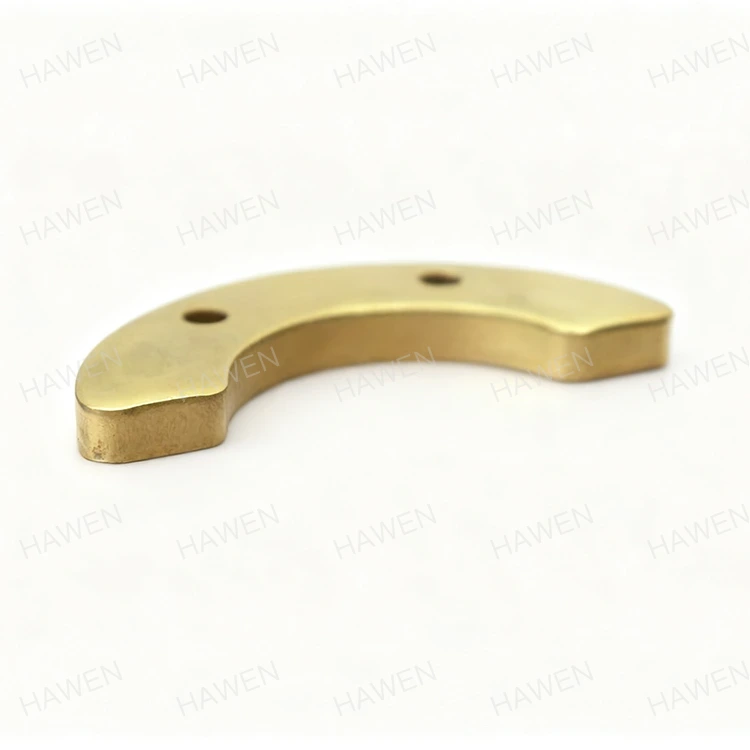
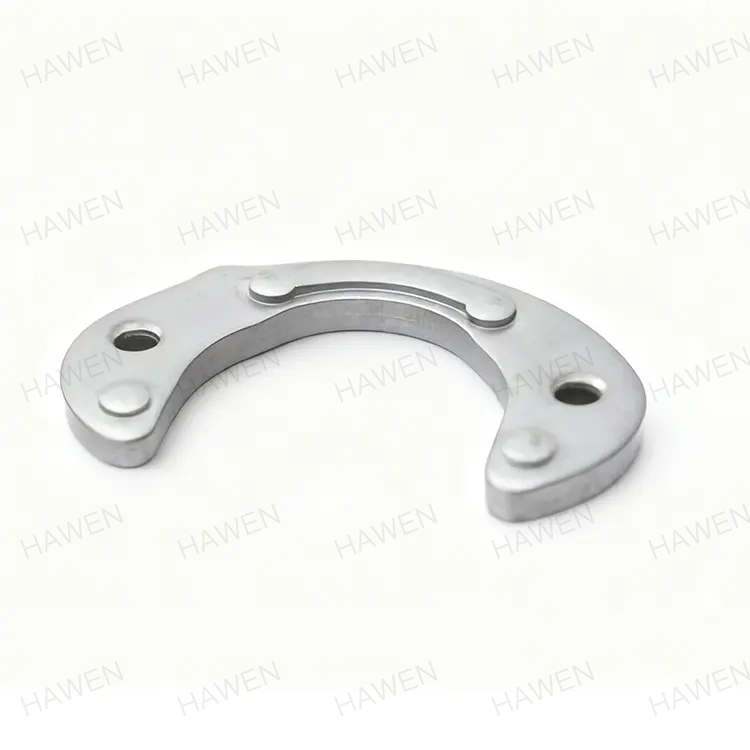
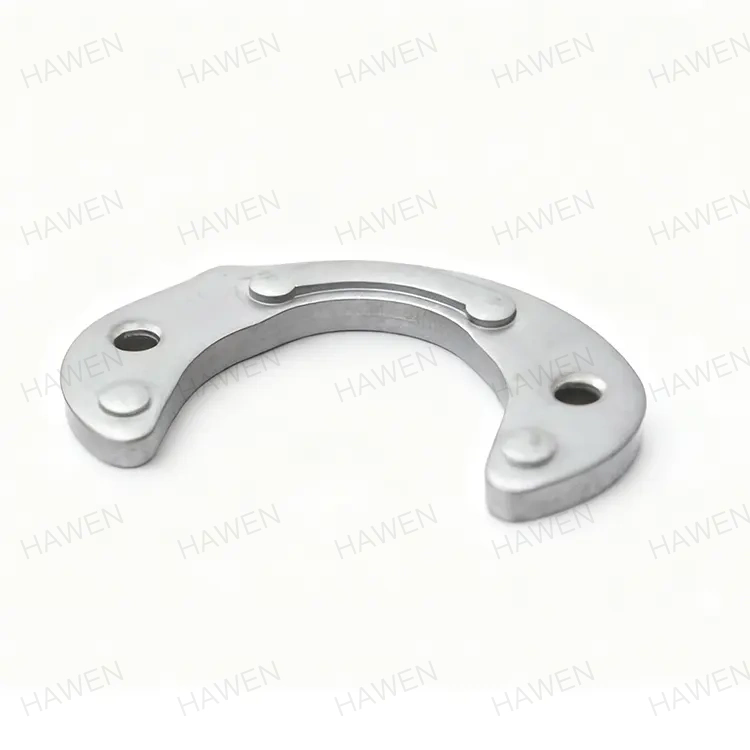
When precision rotation and operational stability matter, Hawen Dynamic Balance Weight solutions help manufacturers achieve superior balancing accuracy across motors, fans, automotive components, pumps, and industrial rotors. As an experienced manufacturer, Hawen provides reliable Dynamic Balance Weight products designed to reduce vibration, improve efficiency, minimize noise, and extend the service life of rotating equipment for demanding industrial applications.

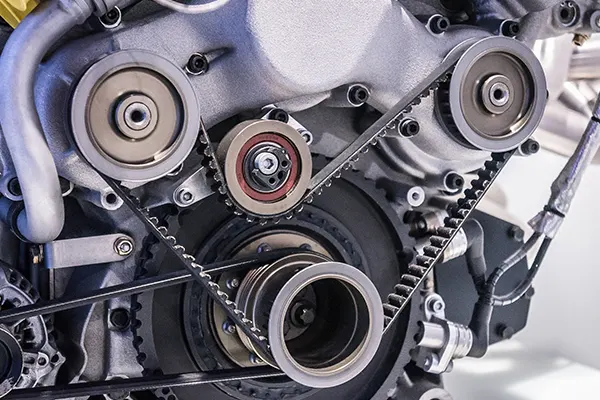
Dynamic Balance Weight plays a vital role in ensuring that rotating components operate smoothly at various speeds without excessive vibration. Whether used in automotive manufacturing, electric motors, HVAC systems, aerospace components, or industrial machinery, precision balancing directly influences equipment reliability, production quality, maintenance costs, and operational safety. This guide explains how Dynamic Balance Weight works, its manufacturing process, selection criteria, major applications, and why choosing a professional supplier is essential for long-term performance.

Dynamic Balance Weight

Contents


What Is Dynamic Balance Weight?

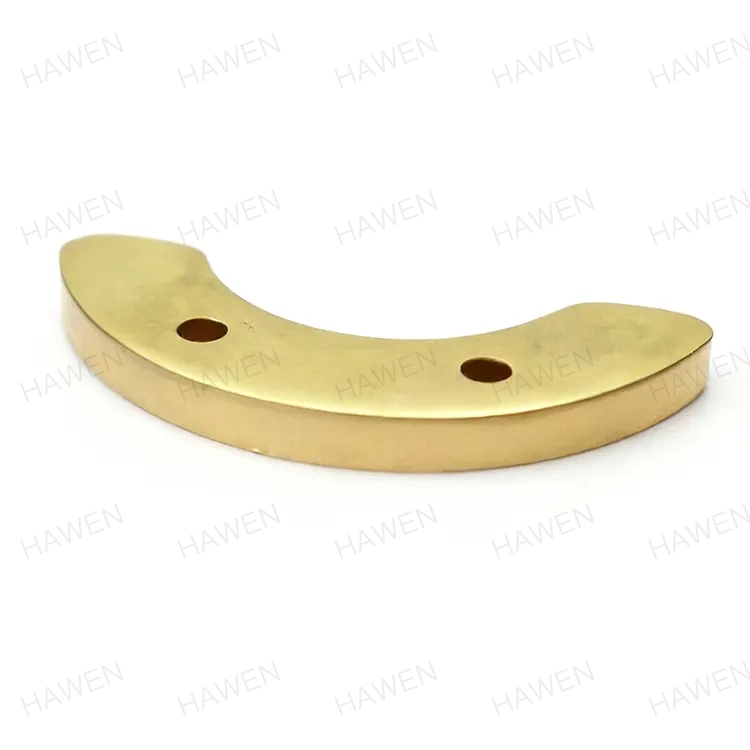
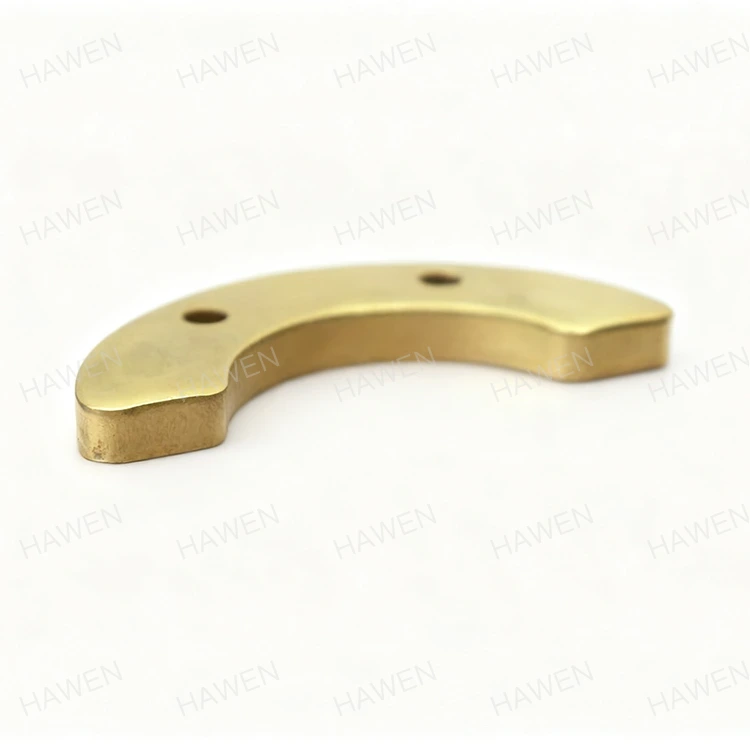
Dynamic Balance Weight refers to specially manufactured balancing weights that are attached to rotating components to eliminate unbalanced mass distribution during operation. Unlike static balancing, dynamic balancing compensates for uneven mass in multiple rotational planes, allowing equipment to operate smoothly even at high rotational speeds.

During manufacturing, every rotating component inevitably develops slight mass deviations due to machining tolerances, material inconsistencies, assembly errors, or wear over time. These seemingly insignificant deviations become magnified as rotational speed increases, creating centrifugal forces that generate vibration, noise, excessive bearing loads, and premature mechanical failure.

Dynamic Balance Weight corrects these issues by adding precisely calculated counterweights at specific positions. Modern balancing machines accurately determine both the required weight and installation angle, ensuring the rotor reaches internationally accepted balancing standards.

Today, Dynamic Balance Weight is widely used in industries requiring precision rotation, including automotive production, household appliances, electric motors, ventilation equipment, aerospace engineering, agricultural machinery, industrial automation, and renewable energy systems.


How Does Dynamic Balance Weight Work?

The balancing process begins by mounting the rotor onto a dynamic balancing machine. As the rotor spins, high-precision sensors continuously monitor vibration amplitude, rotational speed, and angular position. Advanced software analyzes these measurements to determine the exact location and amount of imbalance.

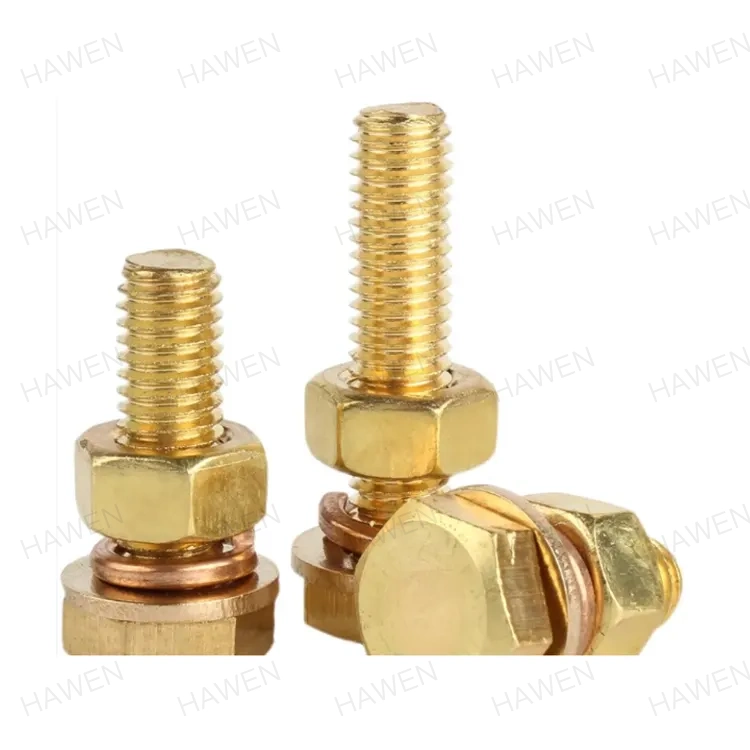
After the imbalance is identified, technicians install Dynamic Balance Weight at the calculated correction points. Depending on product design, weights may be welded, clipped, riveted, bonded with industrial adhesives, or mechanically fastened onto the rotor.

The rotor is then tested again to verify that vibration levels have been significantly reduced. If necessary, additional fine adjustments are performed until the component satisfies the required balancing grade specified by ISO standards or customer requirements.

This precision correction process greatly enhances rotational stability while reducing energy consumption, mechanical stress, and maintenance frequency throughout the equipment's operating life.


Key Benefits of Dynamic Balance Weight

  • Reduced vibration: Minimizes operational vibration and protects surrounding mechanical components.
  • Lower operating noise: Balanced rotors generate significantly quieter operation in industrial environments.
  • Extended bearing life: Lower radial forces reduce bearing wear and maintenance costs.
  • Improved energy efficiency: Less vibration means smoother power transmission and reduced energy loss.
  • Higher production quality: Stable rotation improves machining precision and manufacturing consistency.
  • Enhanced equipment safety: Balanced rotating systems lower the risk of unexpected mechanical failure.
  • Longer equipment lifespan: Reduced fatigue extends the operational life of motors, fans, pumps, and compressors.

For manufacturers operating automated production lines, even minor improvements in balancing accuracy can translate into lower downtime, reduced warranty claims, and greater customer satisfaction over the long term.


Common Industrial Applications

Dynamic Balance Weight is indispensable across a wide variety of industries where rotating assemblies must maintain stability under demanding operating conditions.

Industry Typical Components Primary Benefits
Automotive Brake discs, crankshafts, flywheels Reduced vibration and smoother driving
Electric Motors Motor rotors Improved efficiency and longer bearing life
HVAC Systems Fans and blowers Lower noise and stable airflow
Industrial Pumps Pump impellers Reduced shaft vibration
Wind Energy Generator rotors Improved operational reliability
Aerospace Turbine components High-speed rotational precision

As rotational speeds continue increasing in modern manufacturing, Dynamic Balance Weight has become an essential component for maintaining consistent product quality and maximizing equipment reliability.


Materials and Manufacturing Technologies

The performance of Dynamic Balance Weight depends not only on balancing accuracy but also on material quality and manufacturing precision. Different industrial environments require balancing weights with varying densities, corrosion resistance, durability, and installation methods.

Common materials include carbon steel, stainless steel, galvanized steel, zinc alloy, brass, and specialized high-density alloys. Each material offers unique advantages depending on the operating environment, temperature, humidity, and rotational speed of the equipment.

Modern production utilizes precision stamping, CNC machining, laser cutting, automated welding, surface coating, and strict dimensional inspection to ensure every balancing weight meets demanding industrial standards. High-quality surface treatments such as zinc plating, nickel plating, electrophoretic coating, or anti-corrosion finishes further improve durability in harsh environments.

Leading manufacturers also perform comprehensive quality inspections, including dimensional verification, weight tolerance testing, adhesion strength evaluation, corrosion resistance assessment, and dynamic balancing validation before shipment.


Dynamic vs. Static Balancing Comparison

Although both dynamic and static balancing aim to reduce imbalance in rotating components, they serve different purposes and are suitable for different operating conditions. Understanding their differences helps engineers choose the most effective balancing method.

Comparison Item Dynamic Balancing Static Balancing
Correction Planes Two or multiple planes Single plane
Operating Speed Medium to high speed Low speed
Balancing Accuracy Very high Basic
Equipment Required Dynamic balancing machine Static balancing fixture
Typical Applications Motors, turbines, fans, crankshafts Simple wheels, pulleys, discs
Overall Performance Excellent vibration control Suitable for basic requirements

For high-speed rotating equipment, dynamic balancing is the preferred solution because it corrects imbalance in multiple planes simultaneously, ensuring greater operational stability and improved equipment reliability.


How to Choose the Right Dynamic Balance Weight

Selecting an appropriate Dynamic Balance Weight involves more than simply matching the weight value. Engineers should evaluate several technical factors to ensure the balancing solution delivers optimal long-term performance.

  • Rotor Type: Determine whether the application involves fans, motors, crankshafts, impellers, flywheels, or custom rotating assemblies.
  • Operating Speed: Higher rotational speeds require tighter balancing tolerances and more precise weight positioning.
  • Material Compatibility: Select materials that resist corrosion, heat, chemicals, or environmental exposure.
  • Installation Method: Consider welded, adhesive, clip-on, riveted, or bolt-fixed balancing weights depending on production requirements.
  • Weight Accuracy: Precision manufacturing minimizes balancing corrections during final assembly.
  • Quality Certifications: Work with suppliers that implement strict quality management systems and consistent inspection procedures.
  • Customization Capability: Complex equipment often requires customized dimensions, shapes, coatings, or weight specifications.

Partnering with an experienced manufacturer helps ensure every balancing weight is produced according to precise engineering drawings and tested before delivery, reducing production delays and improving assembly efficiency.


Maintenance and Installation Tips

Even the highest-quality Dynamic Balance Weight requires correct installation and routine inspection to maintain balancing performance throughout the equipment's service life.

  • Clean the mounting surface thoroughly before installation.
  • Follow the specified installation angle provided by balancing equipment.
  • Use approved welding or industrial adhesive methods where applicable.
  • Inspect balancing weights regularly during scheduled maintenance.
  • Replace damaged or corroded balancing weights immediately.
  • Rebalance rotating components after major repairs or component replacement.
  • Store balancing weights in dry environments to prevent corrosion before use.

Routine maintenance not only preserves balancing accuracy but also prevents unnecessary equipment failures, extending the lifespan of motors, pumps, compressors, turbines, and other rotating machinery.


Frequently Asked Questions

1. What is the purpose of a Dynamic Balance Weight?

A Dynamic Balance Weight compensates for uneven mass distribution in rotating components, reducing vibration, lowering noise levels, improving efficiency, and extending equipment life.

2. Which industries commonly use Dynamic Balance Weight?

It is widely applied in automotive manufacturing, electric motors, industrial fans, HVAC systems, aerospace, wind power, household appliances, pumps, compressors, and precision industrial machinery.

3. Can Dynamic Balance Weight be customized?

Yes. Professional manufacturers can customize material, dimensions, weight tolerance, installation method, coating, and packaging according to customer drawings or specific application requirements.


Conclusion

As industrial equipment continues to operate at higher speeds and tighter precision standards, Dynamic Balance Weight has become an indispensable component for improving rotational stability, reducing maintenance costs, and increasing production efficiency. Choosing high-quality balancing solutions helps manufacturers achieve reliable equipment performance while extending the operational lifespan of critical rotating components.

Whether you require standard balancing weights or fully customized solutions for complex industrial applications, Hawen is committed to delivering precision manufacturing, dependable quality, and professional engineering support. Our experienced team is ready to help you identify the ideal Dynamic Balance Weight solution for your production needs. Contact us today to discuss your project, request technical assistance, or receive a customized quotation from our specialists.

Related News
Leave me a message
X
We use cookies to offer you a better browsing experience, analyze site traffic and personalize content. By using this site, you agree to our use of cookies.Privacy Policy
RejectAccept