News

How does Motor Balance Weight improve rotor stability?

2026-06-01 0 Leave me a message

Article Abstract

Motor Balance Weight is a critical engineering component designed to reduce vibration, enhance rotational stability, and extend the service life of electric motors and rotating machinery. In industrial systems where high-speed rotation is required, even minor imbalances can lead to excessive wear, energy loss, noise, and catastrophic mechanical failure. This article explores how Motor Balance Weight works, why it is essential in modern machinery, and how it is applied across industries. It also provides practical guidance for selection, installation, and maintenance, helping engineers and equipment owners make informed decisions that improve performance and reliability.

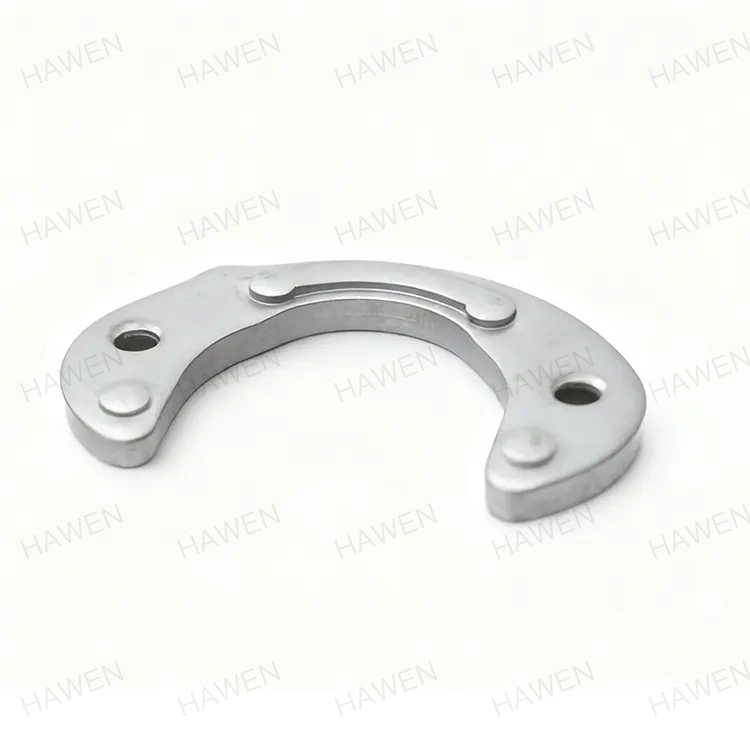
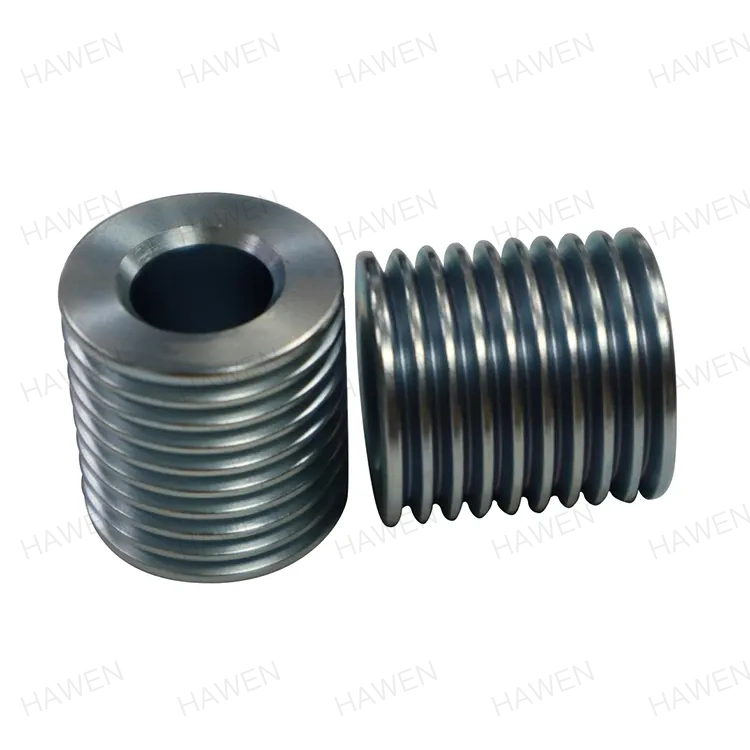
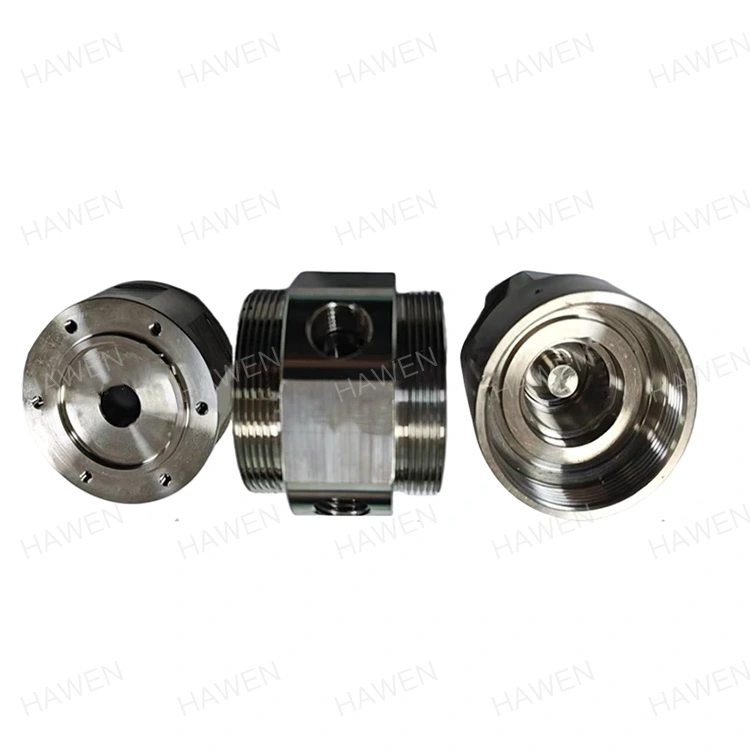
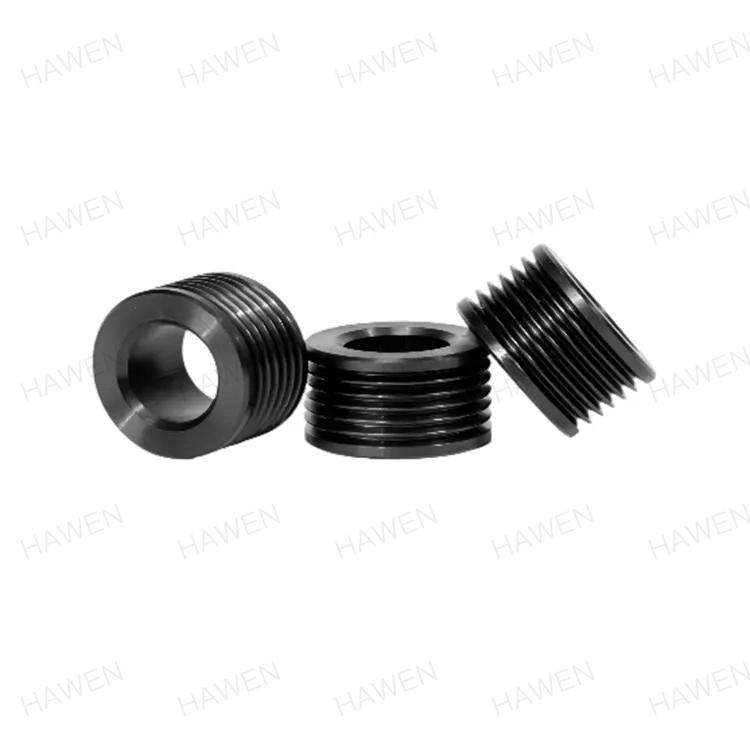
Motor Balance Weight

Outline

  • Introduction to Motor Balance Weight
  • Why Rotor Balance Matters in Industrial Systems
  • Working Principle of Motor Balance Weight
  • Types of Motor Balance Weight Systems
  • Key Benefits in Industrial Applications
  • Comparison: Balanced vs Unbalanced Rotors
  • Installation and Maintenance Guidelines
  • Common Problems and Troubleshooting
  • Applications Across Industries
  • FAQ Section
  • Conclusion and Engineering Recommendations

Table of Contents


1. Introduction to Motor Balance Weight

Motor Balance Weight refers to specially engineered counterweights or balancing systems used in rotating machinery to offset uneven mass distribution. In electric motors, turbines, compressors, and fans, imbalance can occur due to manufacturing tolerances, material inconsistencies, or operational wear. Without correction, this imbalance generates centrifugal forces that degrade mechanical integrity over time.

By strategically adding or adjusting balance weights, engineers ensure that the rotor’s center of mass aligns closely with its axis of rotation. This minimizes vibration and allows machinery to operate smoothly even at high speeds.


2. Why Rotor Balance Matters in Industrial Systems

Rotor imbalance is one of the most common causes of mechanical failure in rotating equipment. Even a small deviation can produce significant vibration forces at high RPM. These forces impact bearings, shafts, housings, and supporting structures.

  • Increased mechanical wear and tear
  • Higher energy consumption due to inefficiency
  • Noise pollution in operational environments
  • Reduced equipment lifespan
  • Risk of sudden mechanical failure

Proper use of Motor Balance Weight directly addresses these issues by stabilizing rotational dynamics.


3. Working Principle of Motor Balance Weight

The fundamental principle behind Motor Balance Weight is mass compensation. When a rotor spins, any uneven mass creates a centrifugal force proportional to the square of rotational speed. This force causes vibration.

Balance weights are positioned at calculated points on the rotor to generate counteracting forces that neutralize this imbalance.

  • Step 1: Detect imbalance using vibration analysis tools
  • Step 2: Calculate magnitude and phase of imbalance
  • Step 3: Install or adjust balance weights accordingly
  • Step 4: Re-test system for residual vibration

This process ensures dynamic equilibrium during operation, especially in high-speed industrial systems.


4. Types of Motor Balance Weight Systems

Different engineering requirements demand different balancing methods. The most common systems include:

  • Fixed Balance Weights: Permanently attached weights used in stable operating conditions.
  • Adjustable Balance Systems: Allow fine-tuning during commissioning or maintenance.
  • Dynamic Balancing Rings: Used in high-speed rotors for continuous adjustment.
  • Modular Weight Systems: Replaceable segments for flexible configuration.

Each system offers trade-offs between precision, cost, and operational flexibility.


5. Key Benefits in Industrial Applications

Motor Balance Weight systems provide multiple engineering advantages that directly impact productivity and operational safety.

  • Reduced vibration and noise levels
  • Improved energy efficiency
  • Extended bearing and shaft lifespan
  • Enhanced operational stability
  • Lower maintenance frequency and cost

These benefits are particularly important in industries where continuous operation is critical.


6. Balanced vs Unbalanced Rotors

Aspect Balanced Rotor Unbalanced Rotor
Vibration Level Low High
Energy Efficiency High Reduced
Component Wear Minimal Accelerated
Noise Output Low High
Maintenance Needs Low Frequent

7. Installation and Maintenance Guidelines

Correct installation of Motor Balance Weight systems is essential for achieving optimal performance. Engineers should follow structured procedures:

  • Conduct pre-installation vibration diagnostics
  • Ensure rotor cleanliness and structural integrity
  • Apply weights symmetrically based on calculations
  • Perform post-installation dynamic balancing tests
  • Schedule periodic maintenance checks

Routine inspection ensures long-term stability and prevents gradual imbalance caused by wear or material deformation.


8. Common Problems and Troubleshooting

Even well-balanced systems may experience issues over time. Common problems include:

  • Residual vibration due to incorrect weight placement
  • Loose balancing components under high-speed conditions
  • Material fatigue affecting rotor geometry

Solutions typically involve recalibration, rebalancing, or replacement of worn components. Advanced diagnostic tools such as FFT vibration analysis are often used for precise correction.


9. Applications Across Industries

Motor Balance Weight systems are widely used in industrial environments where rotational precision is critical.

  • HVAC systems (industrial fans and blowers)
  • Power generation turbines
  • Automotive manufacturing equipment
  • Oil and gas compressors
  • High-speed machining tools

In each case, maintaining rotor balance ensures safety, efficiency, and consistent output quality.


10. FAQ Section

Q1: What causes rotor imbalance?
Manufacturing tolerances, uneven wear, material defects, and improper assembly are common causes.

Q2: How often should balancing be checked?
It depends on usage intensity, but typically every 6–12 months in industrial environments.

Q3: Can imbalance damage a motor permanently?
Yes, prolonged imbalance can lead to bearing failure, shaft deformation, and motor breakdown.

Q4: Is dynamic balancing better than static balancing?
Dynamic balancing is more effective for high-speed rotating systems as it accounts for multi-plane forces.


Conclusion and Engineering Recommendations

Motor Balance Weight systems are indispensable in modern mechanical engineering. By eliminating rotor imbalance, they significantly enhance system efficiency, reliability, and lifespan. Proper selection, installation, and maintenance are essential to maximize these benefits. Industries that rely on high-speed machinery cannot afford to overlook the importance of precision balancing.

For high-quality engineered solutions and expert guidance, Hawen provides advanced Motor Balance Weight systems designed for demanding industrial environments. Hawen delivers precision manufacturing and reliable performance—contact us today for technical consultation and tailored solutions.

Related News
Leave me a message
X
We use cookies to offer you a better browsing experience, analyze site traffic and personalize content. By using this site, you agree to our use of cookies. Privacy Policy
Reject Accept