News

Is Rotor Balance Weight the Key to Improving Industrial Rotor Stability and Machine Performance

2026-07-06 0 Leave me a message

Article Summary: This article explores the role of Rotor Balance Weight in modern rotating machinery, focusing on performance stability, vibration reduction, and long-term equipment efficiency. With insights from HAWEN’s engineering approach, we break down types, materials, selection methods, and real industrial applications to help you understand why proper rotor balancing is critical for operational success.

Rotor Balance Weight

Table of Contents


What is Rotor Balance Weight?

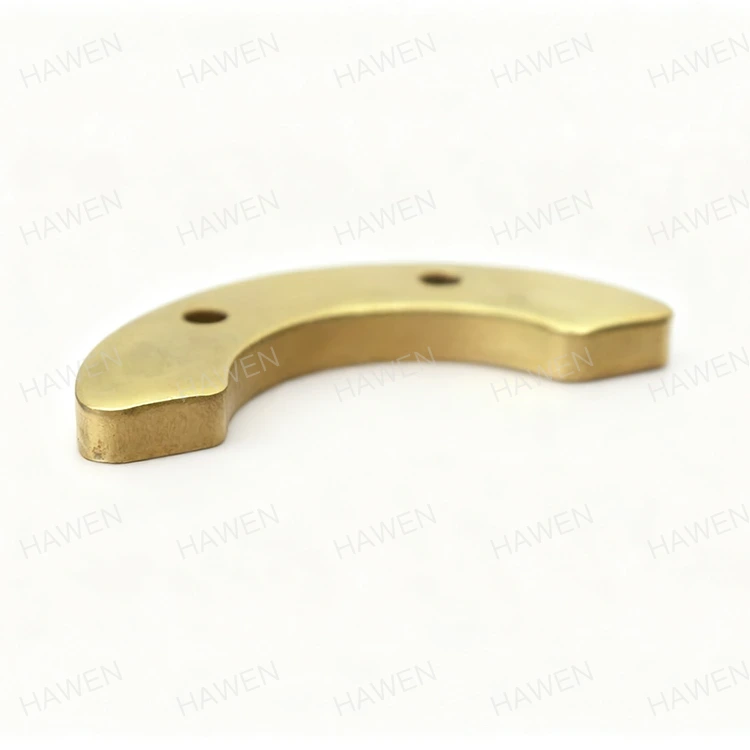
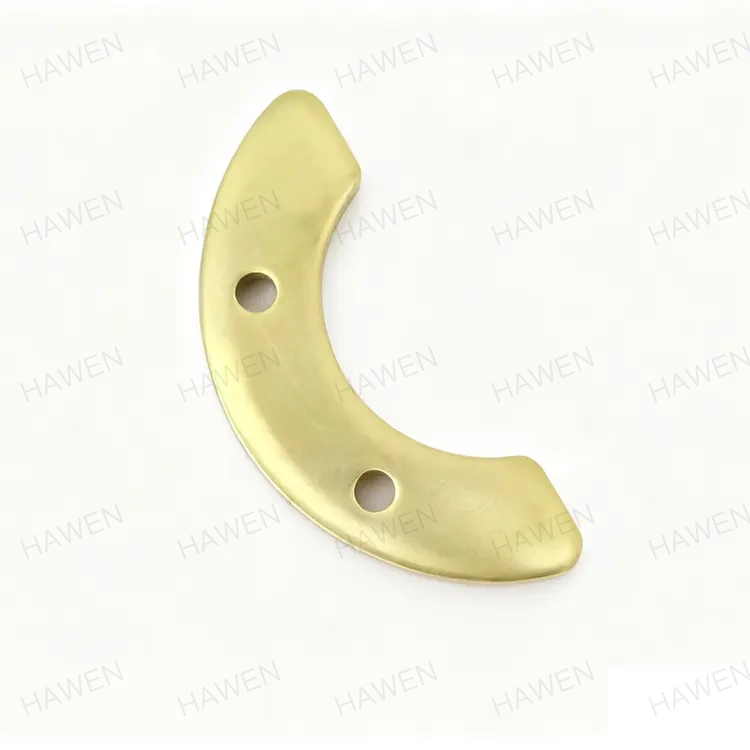
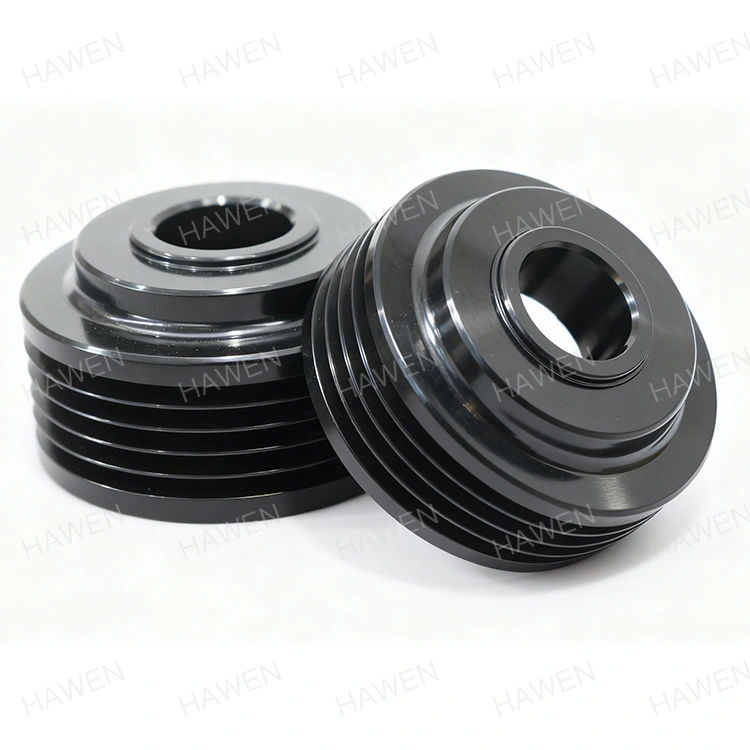
Rotor Balance Weight is a precision-engineered component used to correct mass imbalance in rotating equipment. In industrial applications, even a slight imbalance can lead to vibration, noise, and mechanical wear. Companies like HAWEN specialize in manufacturing high-precision Rotor Balance Weight solutions designed to enhance rotor stability and extend machine lifespan. A properly configured Rotor Balance Weight ensures smooth rotation, reduces operational stress, and improves energy efficiency across a wide range of machinery including turbines, motors, and generators.


Why Rotor Balance Weight is Important?

The importance of Rotor Balance Weight cannot be overstated in high-speed rotating systems. Without proper balancing, centrifugal forces can cause severe vibration and damage. This not only affects performance but also increases maintenance costs and downtime.

  • Reduces vibration and noise during operation
  • Extends bearing and shaft lifespan
  • Improves energy efficiency
  • Enhances operational safety
  • Minimizes unexpected machine failure

In industries where precision is critical, Rotor Balance Weight becomes a fundamental requirement rather than an optional component.


Types of Rotor Balance Weight

Different industrial applications require different types of Rotor Balance Weight depending on rotor design and operational conditions. The most commonly used types include:

  • Clamp-on Balance Weights: Easily adjustable and widely used in field balancing.
  • Weld-on Balance Weights: Permanent solution for heavy-duty machinery.
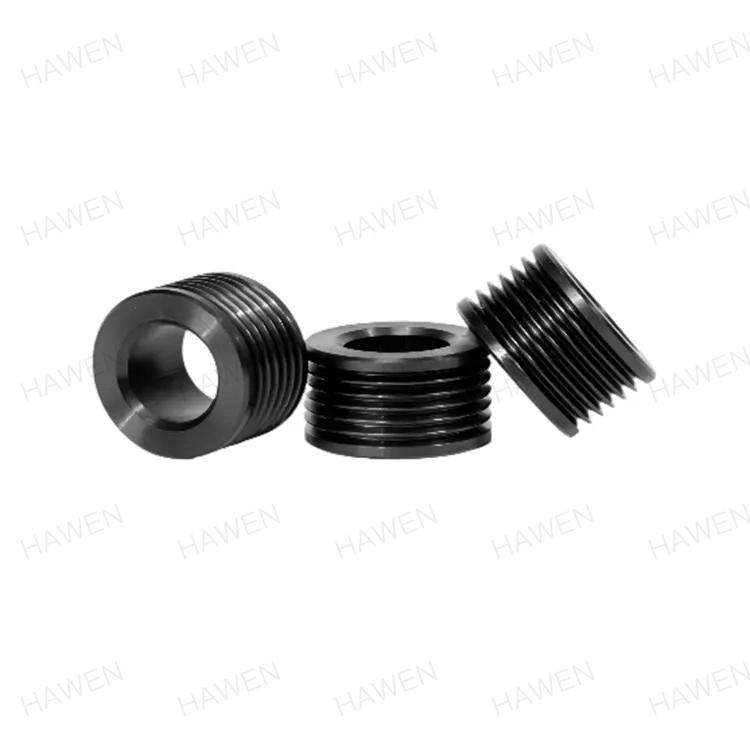
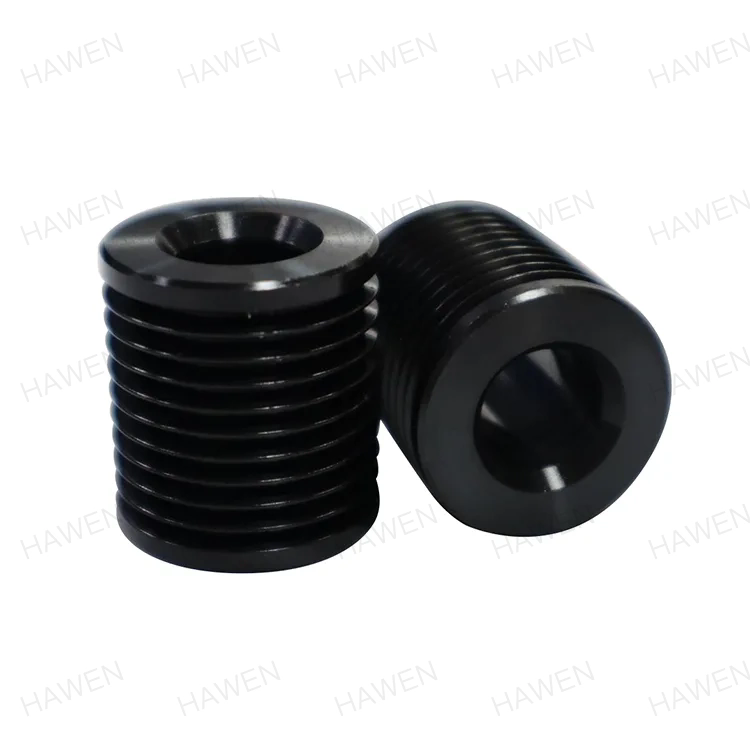
  • Threaded Balance Weights: Offer high precision adjustment capability.
  • Adhesive Balance Weights: Suitable for lightweight and sensitive rotors.

Materials Used in Rotor Balance Weight

The performance of Rotor Balance Weight heavily depends on the materials used. HAWEN emphasizes material selection to ensure durability and accuracy in harsh industrial environments.

  • Steel: High strength and durability for heavy-duty applications
  • Stainless Steel: Corrosion resistance for harsh environments
  • Brass: Good machinability and moderate weight
  • Tungsten Alloy: High density for compact balancing solutions

Comparison Table of Rotor Balance Weight

Type Material Application Advantages
Clamp-on Steel / Aluminum Field balancing, maintenance Reusable, adjustable, easy installation
Weld-on Steel Industrial turbines, heavy machinery Permanent, stable performance
Threaded Brass / Steel Precision machines High accuracy adjustment
Adhesive Zinc / Steel Electronics, lightweight rotors Non-invasive installation

How to Select the Right Rotor Balance Weight

Choosing the correct Rotor Balance Weight requires careful analysis of rotor speed, load conditions, and environmental factors. A poor selection can lead to inefficiency or even equipment failure.

  • Evaluate rotor speed and operational load
  • Consider environmental conditions such as temperature and corrosion
  • Select appropriate material density
  • Ensure compatibility with rotor design
  • Work with trusted manufacturers like HAWEN for precision solutions

Installation and Maintenance Tips

Proper installation and maintenance of Rotor Balance Weight ensure long-term reliability and performance stability.

  • Always perform dynamic balancing before final installation
  • Use calibrated tools for weight placement
  • Inspect weights regularly for loosening or wear
  • Rebalance rotors after major repairs or modifications
  • Follow manufacturer guidelines for torque and positioning

FAQ

Q1: What is the main function of Rotor Balance Weight?
It is used to correct rotor imbalance and ensure smooth, vibration-free operation in rotating machinery.

Q2: Can Rotor Balance Weight improve machine lifespan?
Yes, by reducing vibration and mechanical stress, it significantly extends equipment lifespan.

Q3: How do I know if my rotor is unbalanced?
Common signs include excessive vibration, unusual noise, and increased bearing wear.

Q4: Are all Rotor Balance Weights permanent?
No, some types like clamp-on or adhesive weights are adjustable or removable.

Q5: Why choose HAWEN Rotor Balance Weight solutions?
HAWEN provides precision-engineered balancing solutions designed for high performance, durability, and industrial reliability.


Conclusion

Rotor Balance Weight plays a crucial role in ensuring smooth and efficient operation of industrial rotating systems. From reducing vibration to improving energy efficiency, its impact is significant across multiple industries. By selecting high-quality solutions from trusted manufacturers like HAWEN, businesses can achieve greater operational stability and reduced maintenance costs.

If you are looking for reliable, high-precision Rotor Balance Weight solutions tailored to your industrial needs, we are here to help. Our engineering team is ready to support your project with customized balancing components and technical expertise. Contact us today to discuss your requirements and discover how we can improve your rotor performance and machine reliability.

Related News
Leave me a message
X
We use cookies to offer you a better browsing experience, analyze site traffic and personalize content. By using this site, you agree to our use of cookies.Privacy Policy
RejectAccept