News

How to Choose the Right Stainless Steel Hardware for Long-Term Performance and Reliability?

2026-06-08 0 Leave me a message

Summary:

Stainless steel hardware is widely used in construction, marine engineering, industrial equipment, furniture manufacturing, transportation, and architectural projects due to its exceptional corrosion resistance, durability, and aesthetic appeal. However, selecting the right stainless steel hardware requires understanding material grades, environmental conditions, load requirements, and maintenance considerations. This comprehensive guide explains how to choose the most suitable stainless steel hardware, avoid common purchasing mistakes, and maximize long-term value for your projects.

Stainless Steel Hardware

Table of Contents


Why Stainless Steel Hardware Matters

Hardware components may appear small compared to the overall structure or equipment, but they often determine the reliability, safety, and lifespan of an entire system. Fasteners, hinges, brackets, hooks, clamps, handles, and connectors are continuously exposed to environmental stresses such as moisture, chemicals, temperature fluctuations, and mechanical loads.

Choosing low-quality hardware can result in premature corrosion, structural failures, costly maintenance, and unexpected downtime. Stainless steel hardware provides a dependable solution that helps minimize these risks while delivering long-term performance.


What Is Stainless Steel Hardware?

Stainless steel hardware refers to mechanical components manufactured from stainless steel alloys containing chromium, which forms a protective oxide layer on the surface. This layer helps prevent rust and corrosion while maintaining structural integrity over time.

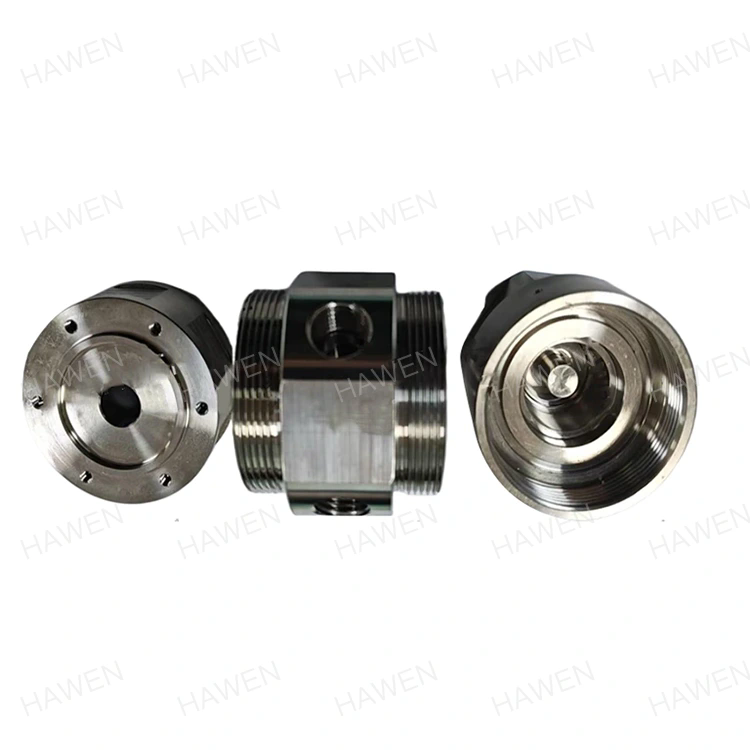
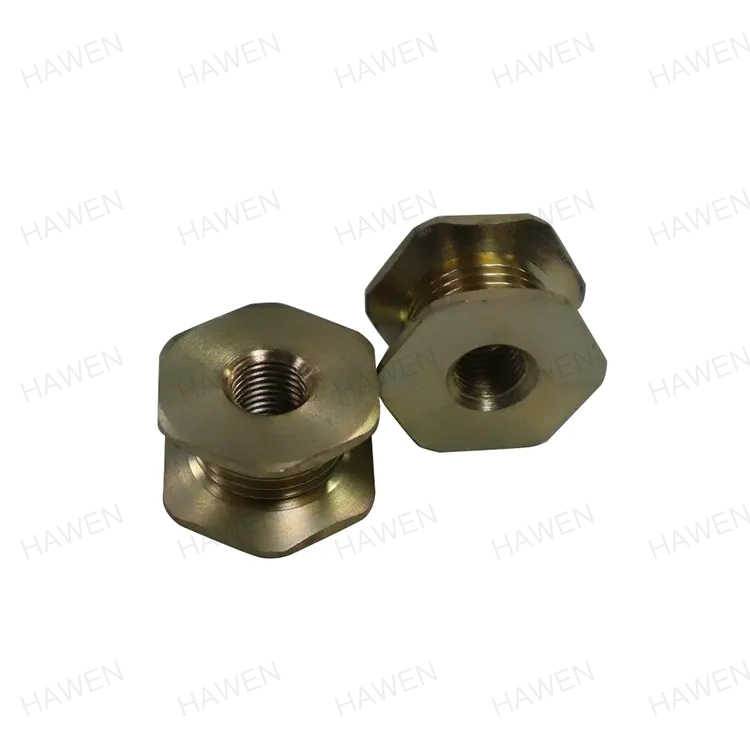
These hardware products are commonly available in various designs and specifications, including:

  • Bolts and nuts
  • Screws and washers
  • Hinges
  • Handles
  • Latches
  • Hooks
  • Brackets
  • Marine fittings
  • Cable accessories
  • Industrial connectors

The versatility of stainless steel makes it suitable for both indoor and outdoor applications.


Key Benefits of Stainless Steel Hardware

Excellent Corrosion Resistance

One of the most important advantages of stainless steel hardware is its ability to resist rust and corrosion. This characteristic is especially valuable in coastal environments, humid climates, and industrial facilities exposed to chemicals.

High Strength and Durability

Stainless steel components maintain excellent mechanical properties under heavy loads, vibration, and frequent use, making them ideal for demanding applications.

Attractive Appearance

The clean, modern appearance of stainless steel enhances the aesthetics of buildings, furniture, appliances, and architectural installations.

Low Maintenance Requirements

Unlike many alternative materials, stainless steel hardware requires minimal maintenance, reducing ownership costs over the product lifecycle.

Environmental Sustainability

Stainless steel is highly recyclable and contributes to environmentally responsible manufacturing and construction practices.


Common Types of Stainless Steel Hardware

Hardware Type Primary Function Typical Industries
Bolts & Nuts Mechanical fastening Construction, Machinery
Screws Permanent or semi-permanent assembly Furniture, Electronics
Hinges Door and panel movement Architecture, Marine
Brackets Structural support Industrial Equipment
Handles Access and operation Commercial Buildings
Hooks & Clamps Holding and securing Marine, Logistics
Cable Fittings Tension and support systems Architectural Projects

Understanding Stainless Steel Grades

Different grades offer varying levels of corrosion resistance and strength. Understanding these differences is essential when selecting stainless steel hardware.

Grade Characteristics Best Applications
201 Economical, moderate corrosion resistance Indoor applications
304 Excellent corrosion resistance General construction and commercial use
316 Superior resistance to saltwater and chemicals Marine and coastal environments
410 Higher hardness and wear resistance Mechanical components

For outdoor projects and humid environments, Grade 304 is often a reliable choice. For marine applications, Grade 316 is generally preferred due to its enhanced resistance to chloride exposure.


How to Choose the Right Stainless Steel Hardware

Evaluate Environmental Conditions

The operating environment is one of the most critical factors when selecting hardware.

  • Indoor dry environments may use Grade 201 or 304.
  • Outdoor environments typically require Grade 304.
  • Coastal regions often require Grade 316.
  • Chemical facilities may require specialized corrosion-resistant alloys.

Consider Load Requirements

Analyze both static and dynamic loads. Hardware supporting heavy equipment or structural assemblies must meet the necessary strength and safety standards.

Review Installation Conditions

Installation methods can affect hardware selection. Consider factors such as:

  • Accessibility
  • Mounting surface material
  • Vibration exposure
  • Expansion and contraction caused by temperature changes

Check Surface Finish Requirements

Surface finish impacts both appearance and performance.

  • Polished finish for decorative applications
  • Brushed finish for architectural projects
  • Matte finish for industrial environments

Choose a Reliable Manufacturer

Product consistency, quality control, and technical support are important factors. Reputable manufacturers can provide customized solutions, material certifications, and production expertise that help ensure project success.


Common Mistakes to Avoid

  • Selecting hardware solely based on price.
  • Ignoring environmental exposure conditions.
  • Using indoor-grade hardware outdoors.
  • Overlooking load and safety requirements.
  • Mixing incompatible metals that may cause galvanic corrosion.
  • Failing to inspect hardware quality before installation.

Avoiding these mistakes can significantly improve equipment reliability and reduce maintenance expenses.


Maintenance Tips for Longer Service Life

Although stainless steel hardware requires relatively little maintenance, regular care can further extend its lifespan.

  1. Clean surfaces periodically to remove dirt and contaminants.
  2. Inspect components for signs of wear or damage.
  3. Remove salt deposits in coastal environments.
  4. Tighten loose fasteners during routine maintenance.
  5. Replace damaged hardware promptly.

Preventive maintenance helps preserve both functionality and appearance.


Major Industry Applications

Stainless steel hardware serves a wide variety of industries:

  • Construction: Structural connections, railings, facades.
  • Marine: Deck fittings, rigging systems, boat hardware.
  • Industrial Manufacturing: Machinery assembly and equipment fastening.
  • Transportation: Vehicle and railway components.
  • Furniture: Decorative and structural fittings.
  • Energy Projects: Solar and renewable energy installations.
  • Commercial Buildings: Doors, windows, partitions, and access systems.

The combination of strength, corrosion resistance, and attractive appearance makes stainless steel hardware a preferred choice across these sectors.


Stainless Steel Hardware vs Other Materials

Property Stainless Steel Carbon Steel Aluminum
Corrosion Resistance Excellent Low Good
Strength High High Moderate
Maintenance Low High Moderate
Service Life Long Moderate Moderate
Appearance Premium Industrial Modern

Frequently Asked Questions

Is 304 stainless steel suitable for outdoor use?

Yes. Grade 304 offers excellent corrosion resistance and is commonly used in outdoor architectural and industrial applications.

When should I choose 316 stainless steel hardware?

Grade 316 is recommended for marine environments, coastal regions, and applications exposed to chlorides or aggressive chemicals.

Can stainless steel hardware rust?

While highly resistant to corrosion, stainless steel can experience surface discoloration or localized corrosion under extreme conditions if not properly maintained.

How long does stainless steel hardware last?

With proper selection and maintenance, stainless steel hardware can provide decades of reliable service.

Is stainless steel hardware environmentally friendly?

Yes. Stainless steel is highly recyclable and supports sustainable manufacturing practices.


Conclusion

Selecting the right stainless steel hardware involves much more than choosing a component that simply fits the application. Factors such as material grade, environmental exposure, load requirements, installation conditions, and maintenance expectations all play important roles in achieving long-term performance and value.

High-quality stainless steel hardware can significantly reduce maintenance costs, improve safety, and extend the lifespan of structures and equipment. Whether you are working on construction projects, marine installations, industrial machinery, transportation systems, or architectural applications, investing in the right hardware solution is a decision that pays dividends for years to come.

Zhejiang Hawen Electromechanical Co., Ltd. specializes in supplying high-quality stainless steel hardware solutions designed to meet the demanding requirements of global industries. With extensive manufacturing experience, strict quality control, and a commitment to customer satisfaction, the company provides reliable products that deliver exceptional durability and performance.

If you are looking for dependable stainless steel hardware for your next project, contact us today to discuss your requirements and discover how Zhejiang Hawen Electromechanical Co., Ltd. can provide customized solutions that help improve efficiency, reliability, and long-term value.

Related News
Leave me a message
X
We use cookies to offer you a better browsing experience, analyze site traffic and personalize content. By using this site, you agree to our use of cookies.Privacy Policy
RejectAccept