News

What Is an Automotive Timing Pulley and Why Does It Matter for Engine Performance?

2026-03-02 0 Leave me a message

The automotive timing pulley is a critical yet often overlooked component in modern engines. It synchronizes the rotation of the crankshaft and camshaft, ensuring precise valve timing for optimal combustion. When it fails or performs poorly, drivers may experience power loss, engine misfires, unusual noise, or even catastrophic engine damage. This comprehensive guide explains how an automotive timing pulley works, common failure symptoms, selection criteria, maintenance practices, and why choosing a trusted manufacturer like Zhejiang Hawen Electromechanical Co., Ltd. makes a difference in long-term engine reliability.

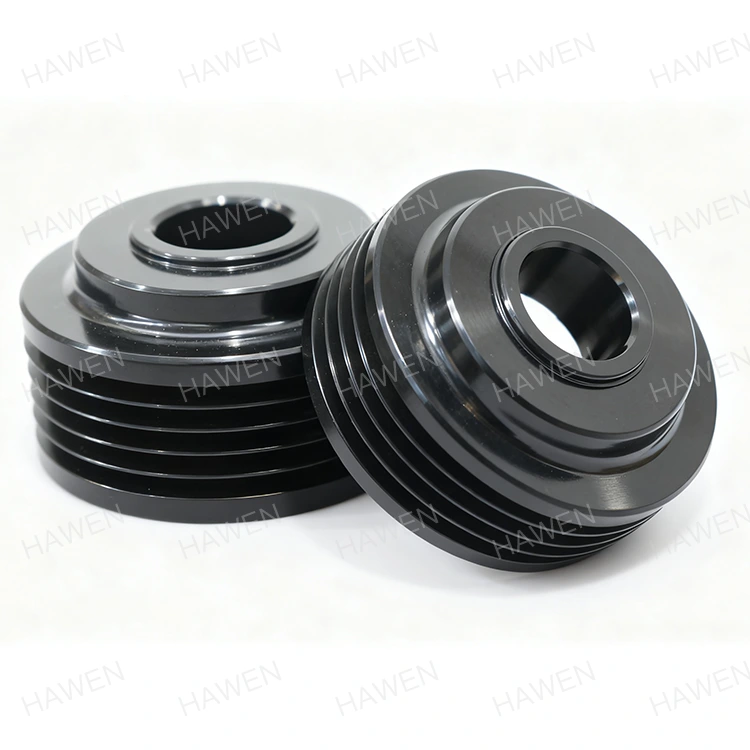
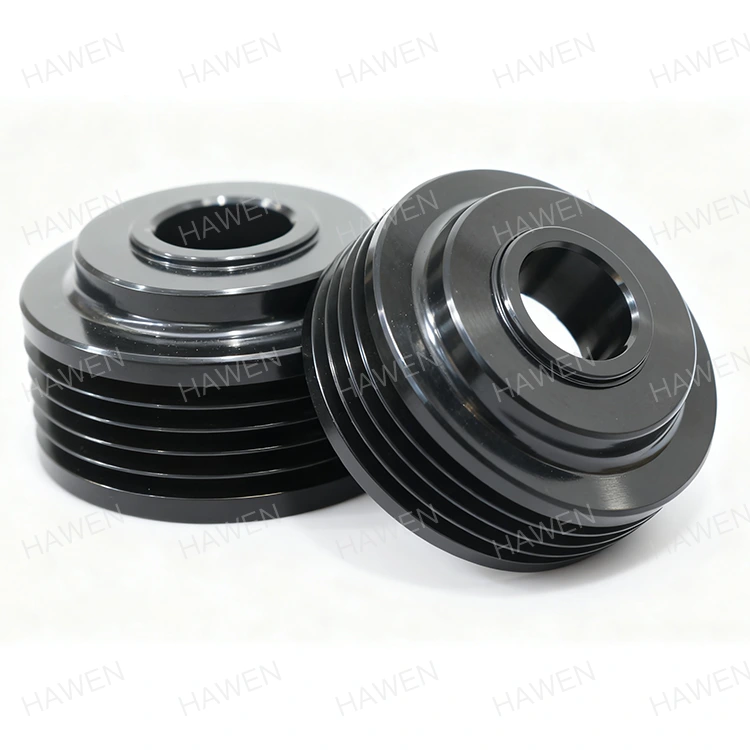
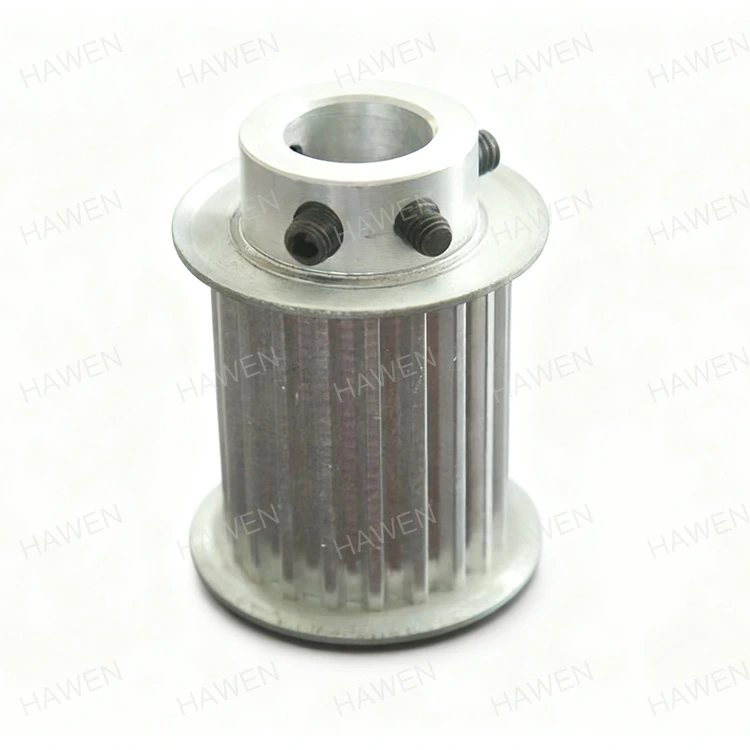
automotive timing pulley


Table of Contents

  • 1. Introduction to Automotive Timing Pulley
  • 2. How Does an Automotive Timing Pulley Work?
  • 3. Types of Automotive Timing Pulleys
  • 4. Key Materials and Manufacturing Standards
  • 5. Common Customer Pain Points and Solutions
  • 6. Signs of Timing Pulley Failure
  • 7. Timing Pulley vs. Timing Gear: Comparison
  • 8. How to Choose the Right Automotive Timing Pulley
  • 9. Installation and Maintenance Best Practices
  • 10. Why Quality Manufacturing Matters
  • 11. Frequently Asked Questions (FAQ)
  • 12. Conclusion

1. Introduction to Automotive Timing Pulley

The automotive timing pulley plays a central role in synchronizing engine components. In internal combustion engines, precise coordination between the crankshaft and camshaft ensures valves open and close at exact intervals. Even a slight deviation can disrupt combustion efficiency.

Modern engines demand higher precision, improved durability, and reduced noise levels. Therefore, selecting a well-engineered timing pulley is not just about replacement—it’s about protecting your engine’s lifespan and performance.


2. How Does an Automotive Timing Pulley Work?

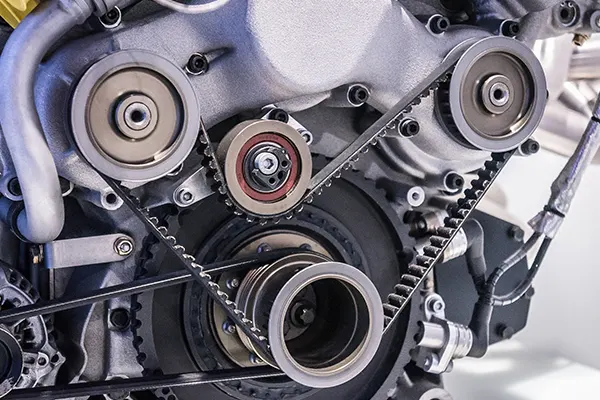
The timing pulley works in conjunction with the timing belt. As the crankshaft rotates, the timing belt transfers rotational motion to the camshaft through the timing pulley.

Core functions include:

  • Maintaining synchronized rotation
  • Ensuring accurate valve timing
  • Reducing slippage through precise tooth engagement
  • Supporting stable engine operation under varying loads

High-quality automotive timing pulleys feature precisely machined grooves to match timing belt profiles, minimizing vibration and maximizing torque transmission.


3. Types of Automotive Timing Pulleys

Different engine designs require different pulley configurations. Below are common types:

Type Description Typical Application
Crankshaft Timing Pulley Mounted on crankshaft, drives timing belt Passenger vehicles
Camshaft Timing Pulley Controls camshaft rotation DOHC/SOHC engines
Idler Pulley Maintains belt tension and alignment Various engine models
Tensioner Pulley Automatically adjusts belt tension High-performance engines

Zhejiang Hawen Electromechanical Co., Ltd. manufactures a comprehensive range of automotive timing pulleys compatible with multiple vehicle platforms worldwide.


4. Key Materials and Manufacturing Standards

The durability of a timing pulley largely depends on its material and production process.

Common materials:

  • High-carbon steel
  • Alloy steel
  • Aluminum alloy
  • Powder metallurgy steel

Important manufacturing processes:

  • Precision CNC machining
  • Heat treatment for surface hardness
  • Dynamic balancing
  • Surface coating for corrosion resistance

Zhejiang Hawen Electromechanical Co., Ltd. implements strict dimensional tolerances and comprehensive quality inspection procedures to ensure each automotive timing pulley meets performance expectations.


5. Common Customer Pain Points and Solutions

Customers often encounter several recurring issues:

Pain Point 1: Premature Wear
Cause: Inferior material or poor heat treatment.
Solution: Choose hardened alloy steel pulleys with tested wear resistance.

Pain Point 2: Excessive Noise
Cause: Misalignment or rough tooth surface.
Solution: Opt for precision-machined pulleys with fine surface finishing.

Pain Point 3: Belt Slippage
Cause: Incorrect tooth profile or dimensional inaccuracy.
Solution: Ensure exact compatibility with belt specifications.

Pain Point 4: Engine Failure Risk
Cause: Pulley breakage under high load.
Solution: Select high-strength pulleys tested for torque resistance.


6. Signs of Timing Pulley Failure

Early detection can prevent severe engine damage.

  • Ticking or rattling noise from engine
  • Engine misfire
  • Difficulty starting
  • Vibration during acceleration
  • Check engine warning light

If any of these symptoms appear, immediate inspection is recommended.


7. Timing Pulley vs. Timing Gear: Comparison

Aspect Timing Pulley Timing Gear
Drive Method Belt-driven Direct gear mesh
Noise Level Lower Higher
Maintenance Periodic replacement Longer service life
Cost Generally lower Higher initial cost

Automotive timing pulleys are widely used in passenger vehicles due to reduced noise and lighter weight.


8. How to Choose the Right Automotive Timing Pulley

When selecting a pulley, consider the following:

  • Engine model compatibility
  • Tooth profile accuracy
  • Material strength rating
  • Heat treatment certification
  • Manufacturer reputation

Partnering with an experienced manufacturer like Zhejiang Hawen Electromechanical Co., Ltd. ensures technical support, consistent supply, and customized solutions.


9. Installation and Maintenance Best Practices

Installation Tips:

  • Align timing marks carefully
  • Check belt tension specifications
  • Use proper torque values
  • Inspect adjacent components

Maintenance Recommendations:

  • Replace timing belt and pulley together
  • Inspect every 60,000–100,000 km
  • Monitor for abnormal sounds
  • Ensure proper lubrication where applicable

10. Why Quality Manufacturing Matters

Engine timing systems operate under high rotational speeds and variable loads. Even microscopic dimensional errors can lead to misalignment and belt wear.

Zhejiang Hawen Electromechanical Co., Ltd. focuses on:

  • Strict raw material control
  • Advanced CNC machining centers
  • Comprehensive hardness testing
  • Dynamic performance simulation
  • Full traceability production systems

This commitment ensures long-term stability, reduced warranty claims, and improved engine efficiency for global customers.


11. Frequently Asked Questions (FAQ)

Q1: How long does an automotive timing pulley last?
Typically 60,000–100,000 km depending on driving conditions and material quality.

Q2: Should I replace the pulley when changing the timing belt?
Yes. Simultaneous replacement prevents uneven wear and reduces future maintenance costs.

Q3: Can a faulty timing pulley damage the engine?
Yes. In interference engines, failure can cause valve and piston collision.

Q4: What material is best for durability?
Heat-treated alloy steel offers excellent strength and wear resistance.

Q5: Does pulley weight affect performance?
Yes. Lightweight designs can reduce rotational inertia and improve responsiveness.


12. Conclusion

The automotive timing pulley is a small component with a major responsibility. It ensures precise synchronization, protects engine integrity, and directly impacts performance and reliability. Investing in a high-quality timing pulley minimizes breakdown risks and long-term repair expenses.

Zhejiang Hawen Electromechanical Co., Ltd. provides precision-engineered automotive timing pulleys designed for durability, stability, and global compatibility. If you are seeking a reliable partner for high-performance timing components, contact us today to discuss your project requirements and discover how we can support your business with dependable solutions.

Related News
Leave me a message
X
We use cookies to offer you a better browsing experience, analyze site traffic and personalize content. By using this site, you agree to our use of cookies. Privacy Policy
Reject Accept