News

How Does a Rotor Balance Weight Improve Machinery Performance?

2026-03-27 0 Leave me a message

Summary: Rotor balance weights play a crucial role in enhancing the efficiency and longevity of rotating machinery. By addressing vibration and imbalance issues, these components reduce wear, prevent damage, and optimize performance. This article explores the principles, types, applications, and maintenance of rotor balance weights, providing practical insights for engineers, technicians, and machinery operators.

Rotor Balance Weight

Table of Contents


What is a Rotor Balance Weight?

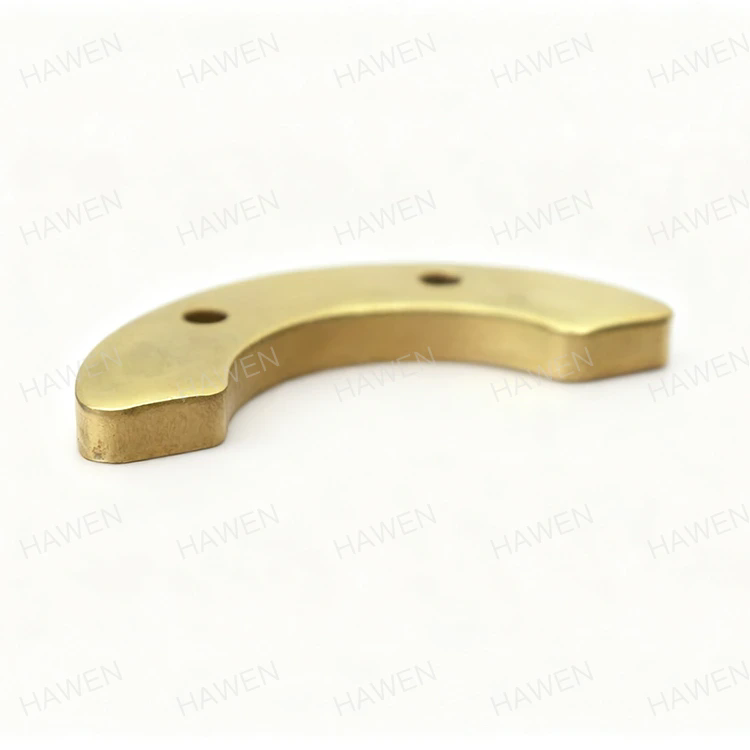
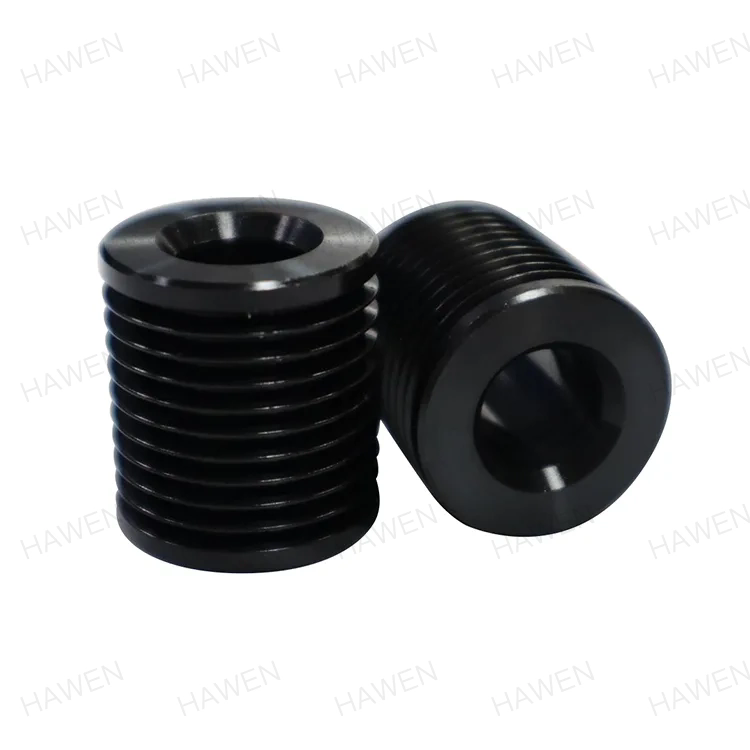
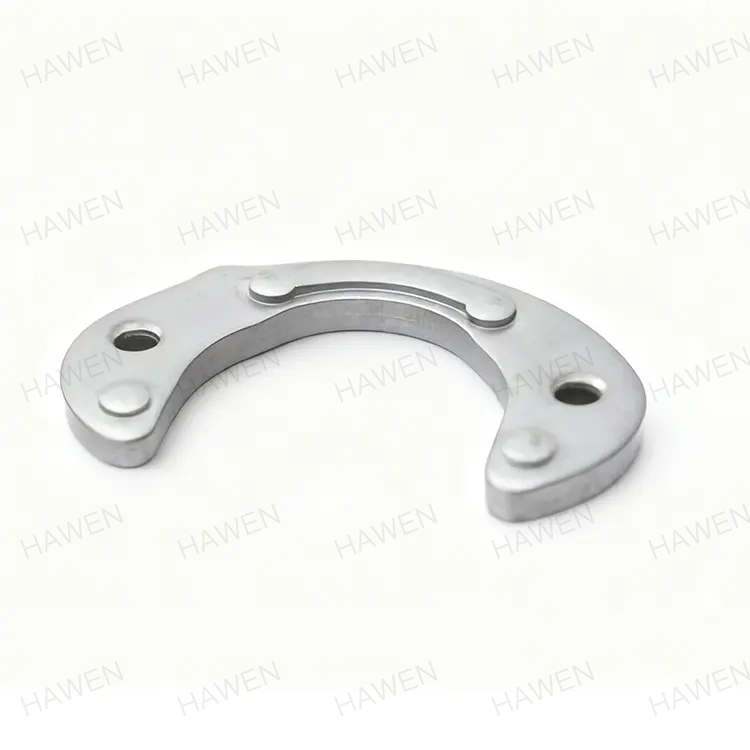
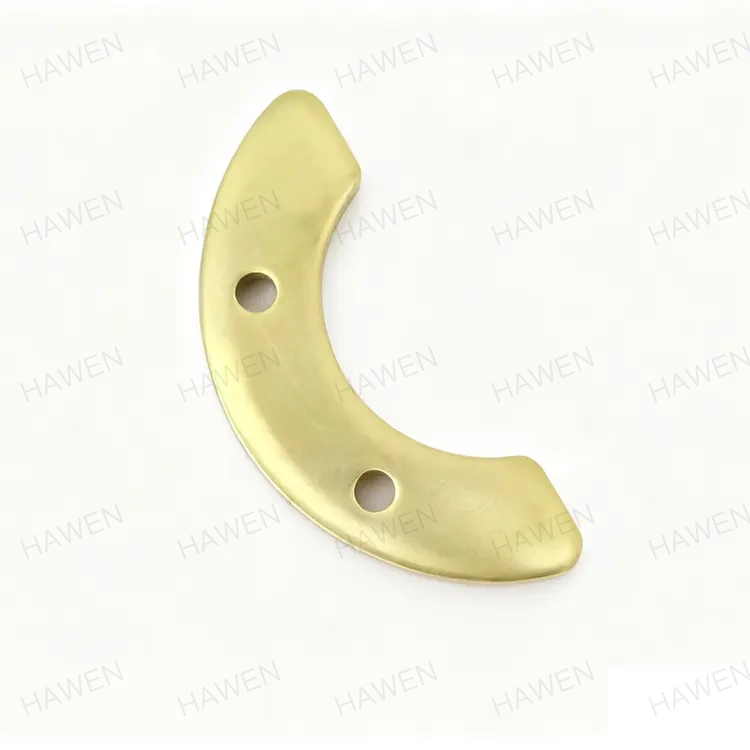
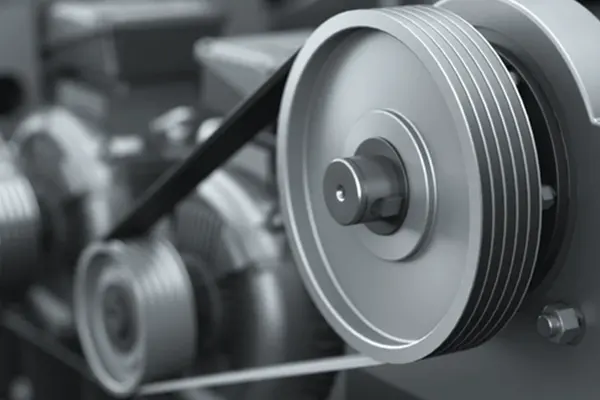
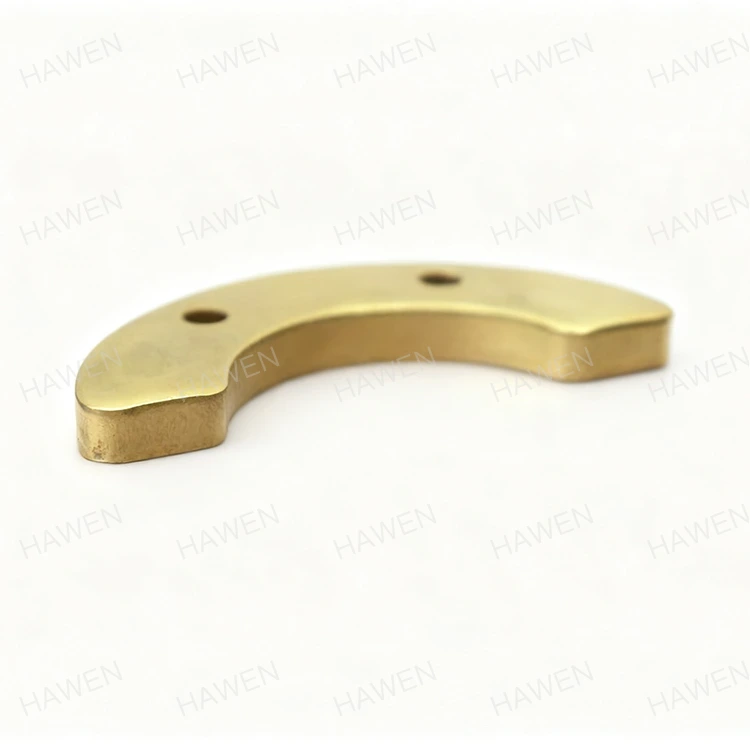
A rotor balance weight is a precision component used to correct rotational imbalance in rotors of various machines, including motors, generators, turbines, and pumps. Imbalance in a rotor can cause excessive vibration, noise, and premature wear, ultimately leading to mechanical failure. The rotor balance weight compensates for uneven mass distribution, ensuring smooth rotation and consistent performance.

Why Rotor Balance Weight is Important

The significance of rotor balance weights in industrial machinery cannot be overstated. Proper balancing offers the following benefits:

  • Reduced Vibration: Minimizes stress on bearings and other components.
  • Extended Equipment Lifespan: Prevents premature wear and tear.
  • Energy Efficiency: Balanced rotors operate more efficiently, saving energy.
  • Safety: Reduces the risk of catastrophic rotor failure.
  • Noise Reduction: Improves workplace environment by lowering operational noise.

Types of Rotor Balance Weights

Rotor balance weights are categorized based on material, attachment method, and design. Understanding these types helps in selecting the right solution for specific machinery needs.

Type Description Typical Applications
Clip-on Weights Quickly attachable weights that clip onto rotor edges. Easy to adjust and replace. Small motors, fans, HVAC systems
Adhesive Weights Weights that adhere directly to the rotor surface. Provide precise balance correction. Automotive components, household appliances
Machined Weights Custom-fabricated weights designed for high-performance or specialized rotors. Industrial turbines, generators, high-speed machinery
Bolted Weights Weights secured using bolts for heavy-duty applications where stability is critical. Large pumps, compressors, heavy motors

How to Install a Rotor Balance Weight

Proper installation ensures maximum effectiveness. Follow these steps:

  1. Inspect the Rotor: Check for existing damage, wear, or dirt.
  2. Determine Imbalance: Use a dynamic or static balancing machine to measure the rotor's imbalance.
  3. Select the Weight Type: Choose the appropriate rotor balance weight based on rotor design and speed.
  4. Attach the Weight: Clip, adhere, or bolt the weight according to the manufacturer’s instructions.
  5. Recheck Balance: Test the rotor after installation to ensure proper balance.

Proper installation not only improves performance but also prevents additional maintenance costs.


Maintenance Tips for Optimal Performance

Maintaining rotor balance weights ensures long-term reliability. Key tips include:

  • Regularly inspect weights for looseness or wear.
  • Clean rotors before installing new weights.
  • Monitor vibration levels to detect imbalance early.
  • Replace adhesive or clip-on weights if they show signs of degradation.
  • Keep detailed records of balancing procedures for future reference.

Common Issues and Troubleshooting

Even with proper installation, issues may arise. Here are typical problems and solutions:

  • Excessive Vibration: Recheck weight placement and adjust if necessary.
  • Noise During Operation: Inspect rotor for cracks or uneven surfaces.
  • Weight Detachment: Ensure correct attachment method and consider a stronger adhesive or bolted solution.
  • Uneven Wear: Regularly rotate or reposition weights to maintain balance.

FAQ

Q1: Can rotor balance weights be reused?

A1: Yes, but only if they are undamaged and properly cleaned before reinstallation.

Q2: How often should rotor balance be checked?

A2: For critical machinery, balance should be checked annually or after any major repair or rotor replacement.

Q3: Are there specific materials preferred for rotor balance weights?

A3: Common materials include steel, lead, and composite alloys, chosen based on weight requirements, rotor speed, and environmental conditions.


Contact HAWEN

HAWEN specializes in high-quality rotor balance weights designed to enhance machinery performance and reliability. Explore our products and get expert guidance to optimize your operations. For inquiries, product details, or personalized solutions, contact us today and elevate your machinery efficiency.

Related News
Leave me a message
X
We use cookies to offer you a better browsing experience, analyze site traffic and personalize content. By using this site, you agree to our use of cookies. Privacy Policy
Reject Accept