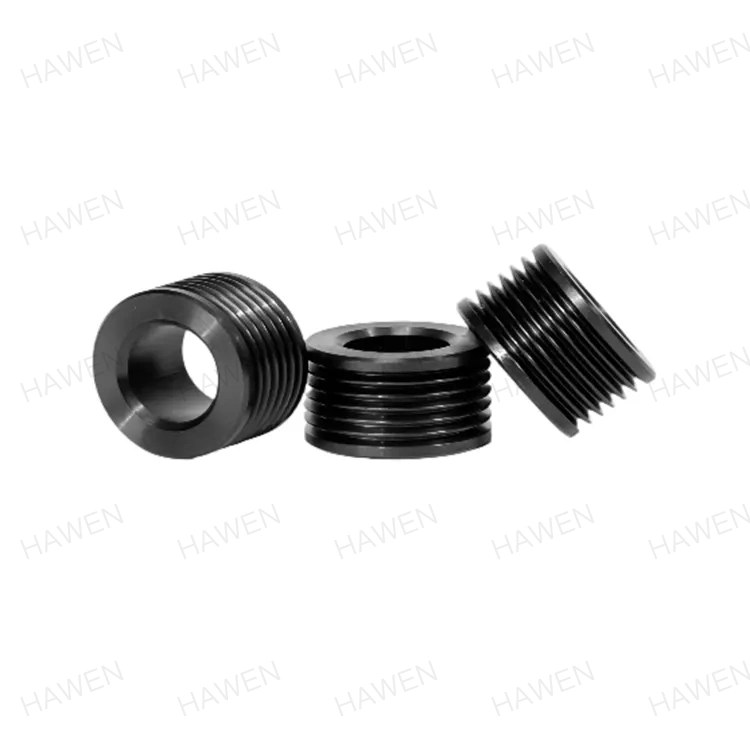
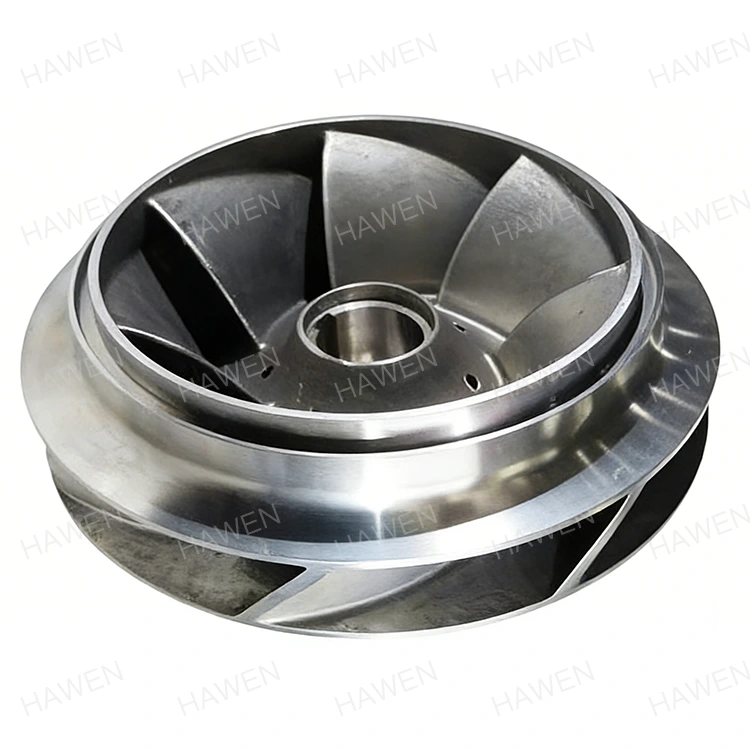
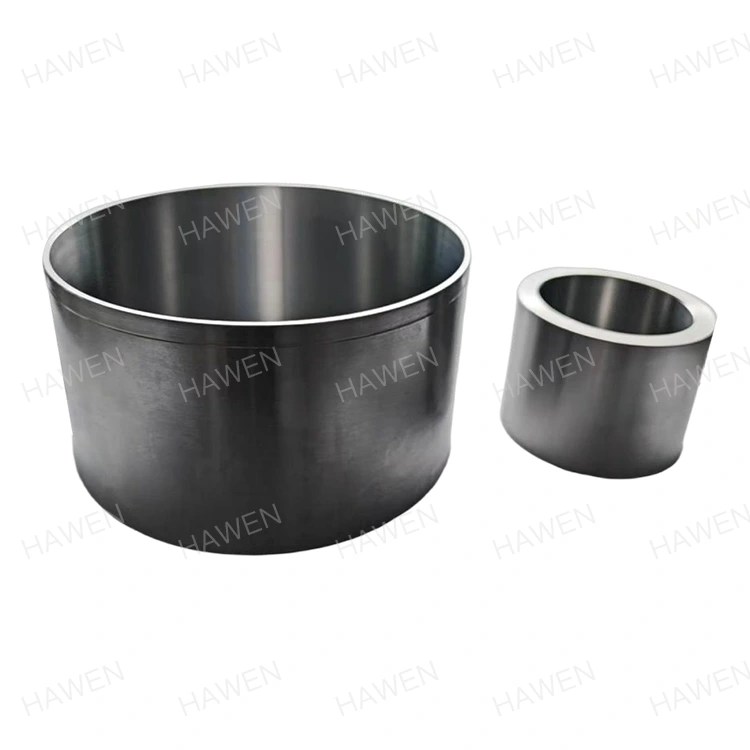
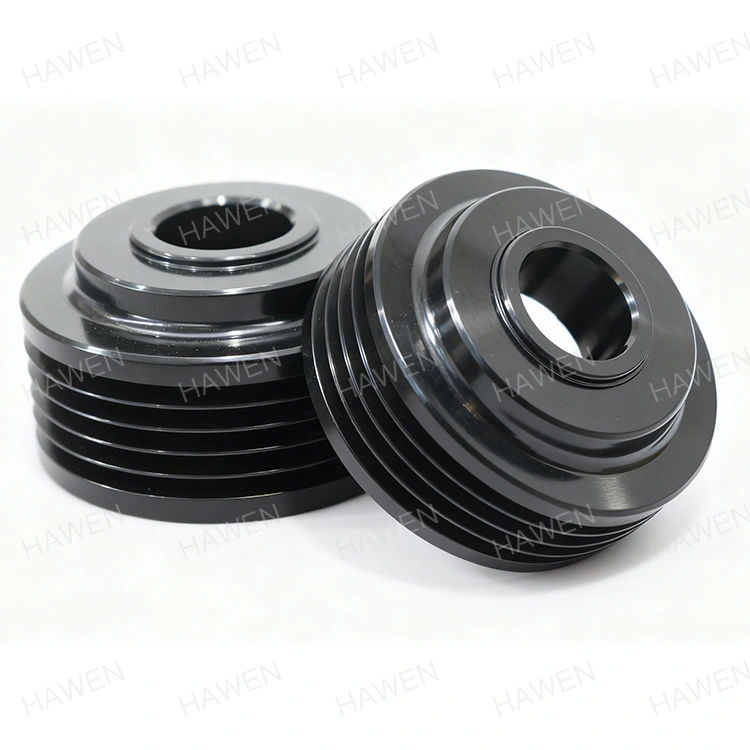
The water pump pulley is a critical component in an engine’s cooling system, responsible for transferring mechanical power from the crankshaft to the water pump. This enables continuous coolant circulation, preventing engine overheating and ensuring optimal performance. This article explains how a water pump pulley works, common failure symptoms, replacement guidance, maintenance tips, and buying considerations to help users make informed decisions and avoid costly engine damage.
The engine cooling system is one of the most important subsystems in any vehicle, and the water pump pulley plays a central role in keeping it functioning properly. Without it, the water pump cannot circulate coolant effectively, leading to rapid overheating, engine inefficiency, and possible catastrophic failure.
Despite its importance, many vehicle owners overlook this component until problems arise. Understanding how it works and recognizing early warning signs can significantly reduce repair costs and extend engine lifespan.
What is a Water Pump Pulley?
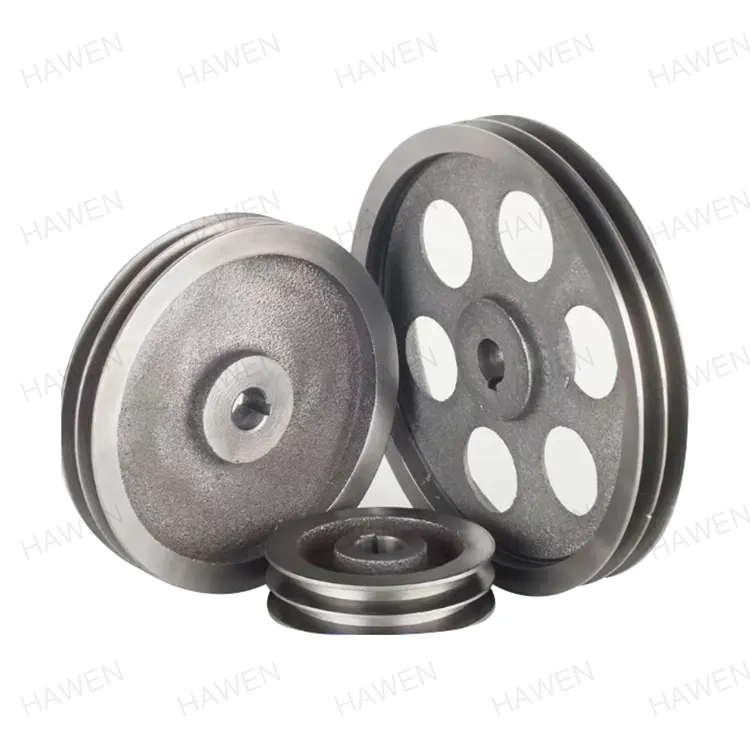
A water pump pulley is a circular mechanical component connected to the engine’s crankshaft via a belt system. Its primary job is to drive the water pump, which circulates coolant throughout the engine block, radiator, and cooling passages.
In most modern engines, the pulley is part of a belt-driven system such as a serpentine belt setup. It ensures continuous rotation of the water pump as long as the engine is running.
How It Works
The working principle of a water pump pulley is based on rotational energy transfer. When the engine crankshaft rotates, it drives a belt (usually a serpentine belt), which in turn rotates the pulley attached to the water pump shaft.
This mechanical motion powers the impeller inside the water pump, forcing coolant to circulate through the engine and radiator. The continuous flow of coolant absorbs heat from the engine and dissipates it through the radiator.
Crankshaft generates rotational power
Belt transfers energy to the pulley
Pulley drives water pump impeller
Coolant circulates through engine system
Types of Water Pump Pulleys
Different engine designs use different pulley types depending on performance and durability requirements.
Steel Pulley: Highly durable, commonly used in heavy-duty applications.
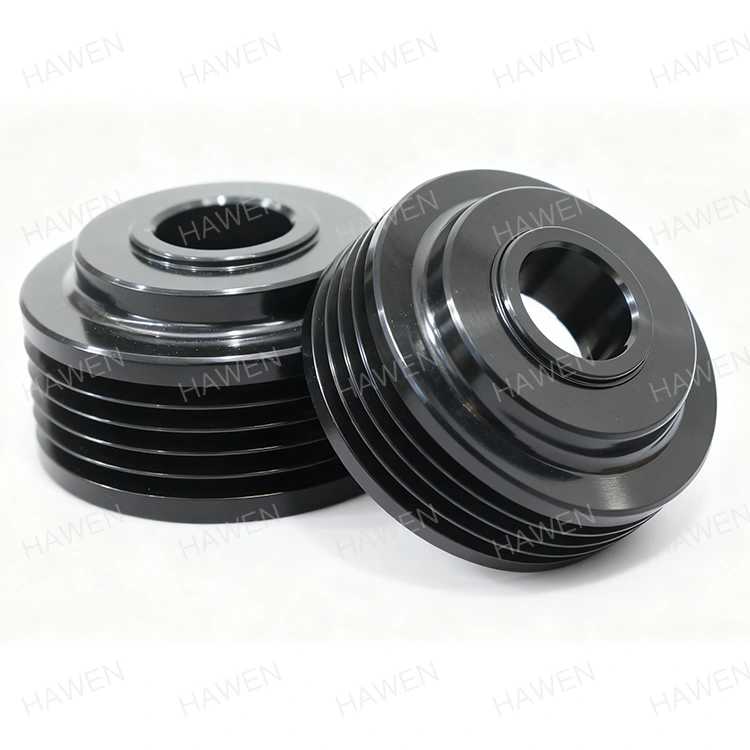
Aluminum Pulley: Lightweight and corrosion-resistant, widely used in modern vehicles.
Plastic Composite Pulley: Cost-effective but less durable under extreme conditions.
Common Problems and Symptoms
A failing water pump pulley can cause serious engine issues if not addressed early. Below are common symptoms:
Squeaking or grinding noise from the engine bay
Engine overheating
Visible belt wear or misalignment
Coolant leakage near water pump area
Vibration in accessory belt system
Ignoring these symptoms may lead to total engine failure due to overheating.
Replacement Guide
Replacing a water pump pulley requires mechanical knowledge and proper tools. Here is a simplified process:
Disconnect battery for safety
Remove serpentine belt
Unbolt the damaged pulley
Inspect water pump shaft condition
Install new pulley and align properly
Reinstall belt and test engine operation
Professional installation is recommended for complex engine configurations.
Maintenance Tips
Proper maintenance can significantly extend the lifespan of the water pump pulley and related components.
Inspect belt tension regularly
Check for misalignment or wobbling
Replace worn belts promptly
Avoid over-tightening during installation
Use high-quality replacement parts
Material Comparison Table
Material
Durability
Weight
Cost
Application
Steel
Very High
Heavy
Medium
Heavy-duty engines
Aluminum
High
Light
Medium-High
Modern vehicles
Plastic Composite
Moderate
Very Light
Low
Budget vehicles
FAQ
Q1: How long does a water pump pulley last?
Typically between 60,000 to 100,000 miles depending on driving conditions and maintenance.
Q2: Can I drive with a bad pulley?
It is not recommended, as it can lead to belt failure and engine overheating.
Q3: What causes pulley failure?
Common causes include wear and tear, misalignment, corrosion, and belt tension issues.
Q4: Is replacement expensive?
Costs vary depending on vehicle type, but early replacement is far cheaper than engine repair.
Conclusion & Contact
The water pump pulley may seem like a small component, but it plays a vital role in engine health and performance. Regular inspection, timely replacement, and proper maintenance can prevent overheating and expensive engine damage.
For high-quality engineering solutions and durable automotive components, HAWEN provides reliable water pump pulley products designed for long-term performance and stability. If you are looking for professional support, product customization, or bulk supply solutions, HAWEN – contact us today to discuss your requirements and get expert assistance.
We use cookies to offer you a better browsing experience, analyze site traffic and personalize content. By using this site, you agree to our use of cookies.
Privacy Policy