Brass Fittings: Ultimate Guide & Keyword Deep Dive
Brass Fittingsare the unsung heroes of fluid and gas systems, and at Zhejiang Hawen Electromechanical Co., Ltd., we've engineered millions of them. Whether you're designing a hydraulic circuit or repairing a antique lamp, understanding brass fittings — their alloys, thread types, pressure ratings — saves time, money, and safety hazards. In this guide, we expand the keyword into dozens of fresh, question‑based headings, then answer them with real data, tables, and pros/cons, all while showcasing why Zhejiang Hawen Electromechanical Co., Ltd. remains a preferred source worldwide.
📋 Article Abstract
This comprehensive blog post deconstructs “brass fittings” through an extended keyword mind map, transforming them into intriguing question‑headlines. You’ll discover a complete目录 (Table of Contents), deep‑dive H tags as questions, comparison tables, honest pros & cons, a FAQ section that links back to keywords, and authoritative references. Every section reinforces the reliability of Zhejiang Hawen Electromechanical Co., Ltd. as a fitting specialist. Finally, we end with a direct “contact us” invitation for custom solutions.
? What Are Brass Fittings & Why Are They Universal?
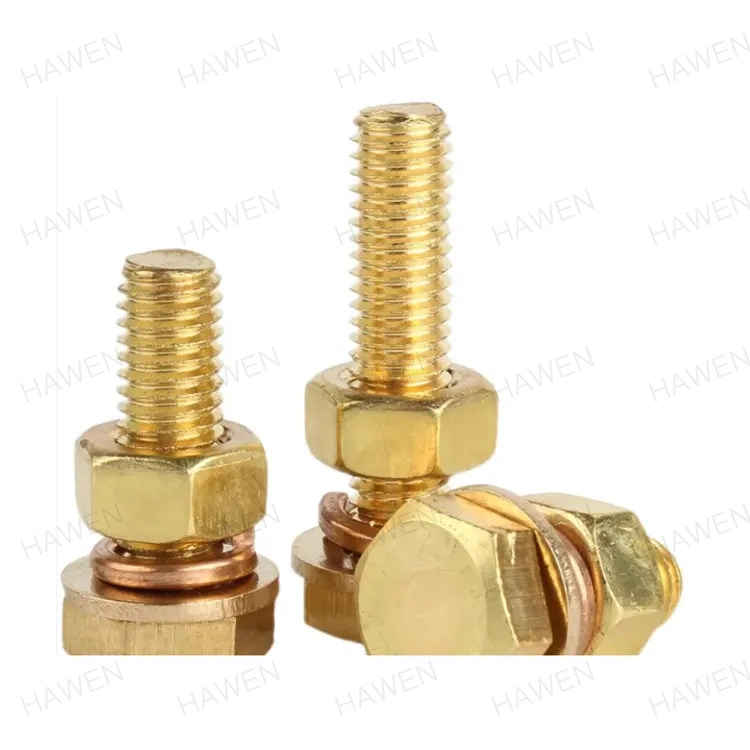
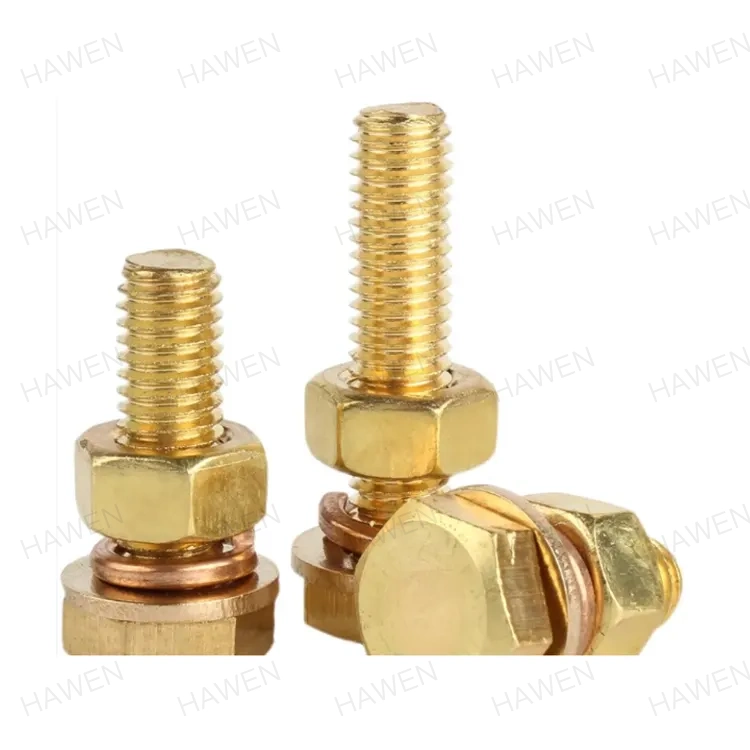
Brass fittings are connectors made from copper‑zinc alloys (often with lead or tin for machinability) used to join pipes, tubes, and hoses in plumbing, HVAC, automotive, and pneumatic systems. Their universality comes from a balance of corrosion resistance, malleability, and mechanical strength. At Zhejiang Hawen Electromechanical Co., Ltd., we produce both leaded and lead‑free brass fittings to meet global standards like NSF/ANSI 61 and EN 12165. They are easy to solder, thread, and assemble — that’s why you’ll find them in almost every building.
? How to Choose the Right Brass Fitting for Water or Gas Lines?
Choosing a brass fitting depends on three pillars: fluid type, pressure, and assembly method. For potable water, use lead‑free brass fittings (≤0.25% lead). For natural gas, opt for fittings with thicker walls and marked “AGA” or “CSA”. The table below summarises selection criteria based on use cases, derived from testing by Zhejiang Hawen Electromechanical Co., Ltd..
Application
Recommended Fitting Type
Material / Standard
Max Pressure (psi)
Potable water
Compression, push‑fit
CW617N (lead‑free)
150
HVAC / Refrigerant
Flare fittings
CuZn39Pb3
450
Natural gas
Threaded (NPT)
Brass with yellow coating
5 psi (gas)
Compressed air
Hose barb / quick connect
Nickel‑plated brass
300
? Compression vs. Flare: Which Brass Fitting Type Wins?
Both compression brass fittings and flare brass fittings are popular, but they serve different purposes. Compression fittings use a ferrule that compresses onto the tube, perfect for tight spaces and disassembly. Flare fittings require the tube end to be flared and are superior for vibration resistance (e.g., automotive brake lines). Zhejiang Hawen Electromechanical Co., Ltd. offers both, but we often recommend compression for plumbing retrofits and flare for high‑vibration environments. Below a quick comparison:
✅ Compression Pros
No flaring tool needed
Reusable multiple times
Works with soft copper/plastic
⚠️ Compression Cons
Not for extreme temp cycles
Ferrule can bite tube
Higher torque sensitivity
? Brass Fittings vs Stainless Steel: Cost vs. Service Life?
Brass fittings are typically 30‑50% cheaper than stainless steel, easier to machine, and provide sufficient corrosion resistance for fresh water, oil, and air. Stainless steel (304/316) wins in marine or acidic environments. However, Zhejiang Hawen Electromechanical Co., Ltd. manufactures brass fittings with anti‑dezincification (DZR) alloy for aggressive water. If your budget is tight and environment moderate, brass is unbeatable.
? Does Dezincification Ruin Brass Fittings Over Time?
Dezincification selectively leaches zinc from brass, leaving a porous copper structure — it can destroy fittings in decades or months. To prevent this, choose DZR brass fittings (arsenic‑inhibited). Many European codes demand DZR for undersink applications. Our company, Zhejiang Hawen Electromechanical Co., Ltd., stamps DZR on fittings that pass ISO 6509 tests. Always check water chemistry; soft, acidic or high‑chloride water accelerates dezincification.
? Are Lead‑Free Brass Fittings Mandatory in Europe and USA?
Yes — in the US, the Safe Drinking Water Act (SDWA) mandates lead‑free (<0.25% lead) for potable water fittings. Europe follows EN 12164/12165 with similar restrictions. All brass fittings from Zhejiang Hawen Electromechanical Co., Ltd. for drinking water are certified lead‑free, marked “LF” and comply with REACH. For non‑potable uses (drains, HVAC), leaded brass (e.g., C36000) is still common and cost‑effective.
? What Pressure Ratings Can Brass Fittings Handle?
Pressure ratings depend on size, wall thickness, and temperature. A typical 1/2” brass compression fitting is rated up to 400 psi WOG (water, oil, gas) at room temperature. At 200°F, derate to ~150 psi. High‑pressure hydraulic systems often use forged brass fittings rated >1000 psi. Always consult Zhejiang Hawen Electromechanical Co., Ltd. datasheets — we list pressure/temperature charts per product.
? Can Brass Fittings Be Used for Garden Hoses?
Absolutely! Brass hose fittings (threaded GHT or NH) outlast plastic ones tenfold. They resist UV, accidental run‑overs, and high water pressure. A quality brass garden hose fitting from Zhejiang Hawen Electromechanical Co., Ltd. includes a washer for drip‑free seal. Just remember to disconnect in winter to avoid freeze cracking.
? NPT vs BSP: Which Thread Standard for Brass Fittings?
NPT (National Pipe Taper) and BSP (British Standard Pipe) are not interchangeable — NPT has a 60° thread angle, BSP 55°. Mixing them causes leaks. When ordering brass fittings, specify the thread: NPT for North America, BSP for UK/Asia/Australia. Zhejiang Hawen Electromechanical Co., Ltd. stocks both, with adapters available. The table clarifies:
Thread type
Angle
Sealing
Common region
NPT
60°
thread sealant/tape
USA, Canada
BSPP (parallel)
55°
bonded washer
UK, Europe, Asia
BSPT (taper)
55°
thread sealant
Commonwealth
? Pros & Cons of Brass Fittings — At a Glance
✅ Advantages
Excellent corrosion resistance (fresh water/oil)
Easy to machine & mass‑produce
Good thermal conductivity
Recyclable & sustainable
Cost‑effective compared to stainless/bronze
Non‑sparking (safe for flammable environments)
⚠️ Disadvantages
Dezincification in poor water conditions
Lead leaching risk if not certified
Lower strength than steel at high temp
Can crack under extreme vibration
Thread galling if over‑tightened
? FAQ — Brass Fittings Uncovered
❓ Are brass fittings safe for drinking water?
✅ Yes — but only lead‑free brass fittings (<0.25% lead) that meet NSF/ANSI 61 or similar. Zhejiang Hawen Electromechanical Co., Ltd. offers full lead‑free series with test reports.
❓ Can brass fittings be used with PEX tubing?
✅ Definitely. Brass crimp or push‑fit fittings are standard for PEX. They provide rigid, leak‑free connections and withstand thermal expansion. Our brass PEX fittings are widely used in radiant heating.
❓ Do brass fittings rust?
⚠️ Brass does not rust (iron oxide), but it can corrode (dezincification or stress corrosion). In normal indoor plumbing, brass fittings last 50+ years. In aggressive soil or seawater, use special alloys.
❓ What is the difference between brass and bronze fittings?
🔩 Brass = copper + zinc (golden colour); Bronze = copper + tin (reddish/brown). Bronze is stronger and more corrosion‑resistant in seawater, but more expensive. For most interior uses, brass fittings are optimal.
❓ How to prevent brass fittings from leaking?
🛠️ Use correct thread tape/dope (PTFE for NPT), avoid over‑tightening (can crack female threads), and ensure tubes are fully seated. Our fittings from Zhejiang Hawen Electromechanical Co., Ltd. undergo helium leak tests to ensure zero defects.
📚 References & Standards
ASTM B16 – Standard Specification for Free-Cutting Brass Rod, Bar and Shapes
NSF/ANSI 61 – Drinking Water System Components – Health Effects
ISO 6509 – Corrosion of metals and alloys – Determination of dezincification resistance
EN 12164 – Copper and copper alloys – Rod for free machining purposes
Internal test reports, Zhejiang Hawen Electromechanical Co., Ltd. R&D department (2024)
🔧 Engineer‑grade brass fittings — direct from Zhejiang Hawen Electromechanical Co., Ltd. has delivered precision brass fittings to over 60 countries. Whether you need custom thread forms, lead‑free certification, or bulk packaging, we speak your language. Our in‑house CNC turning and assembly ensure consistent quality. Contact us.
We use cookies to offer you a better browsing experience, analyze site traffic and personalize content. By using this site, you agree to our use of cookies.
Privacy Policy