News

How Can V-Belt Pulleys Improve Your Machine Efficiency?

2026-06-04 0 Leave me a message

Abstract

V-belt pulleys are critical components in mechanical systems, affecting efficiency, durability, and operational safety. Understanding how to select, install, and maintain V-belt pulleys can save costs, reduce downtime, and improve performance. This article provides a comprehensive guide for engineers, maintenance teams, and machinery enthusiasts to optimize their V-belt pulley applications.

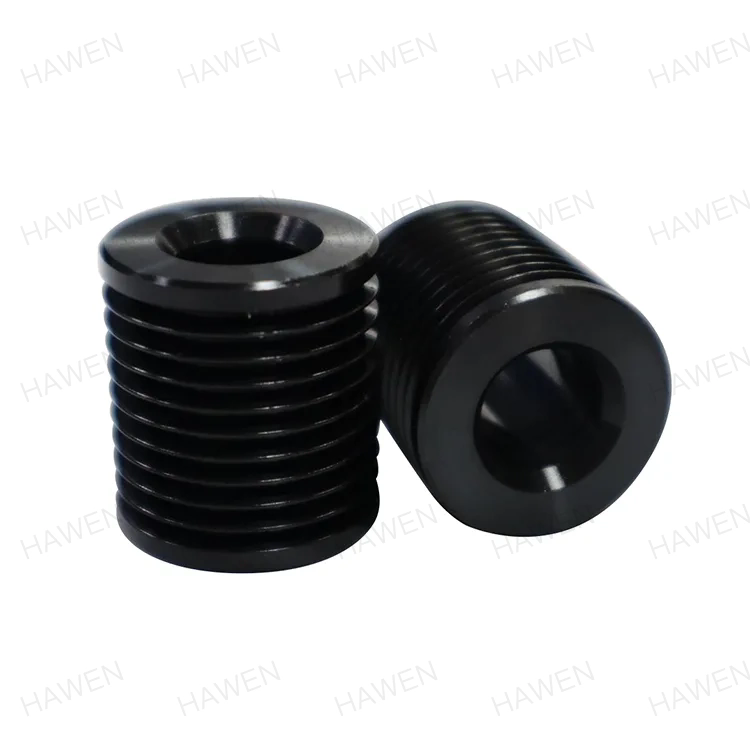
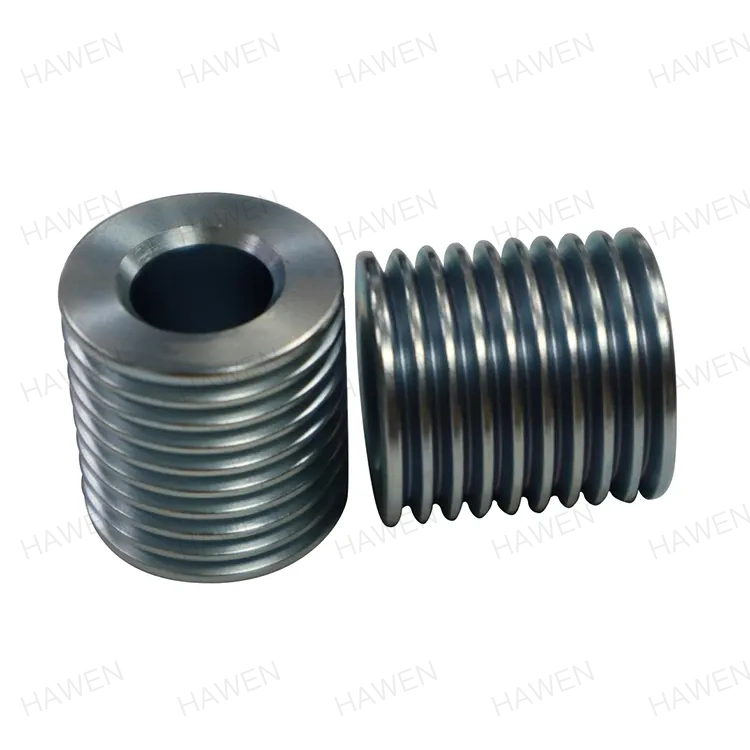
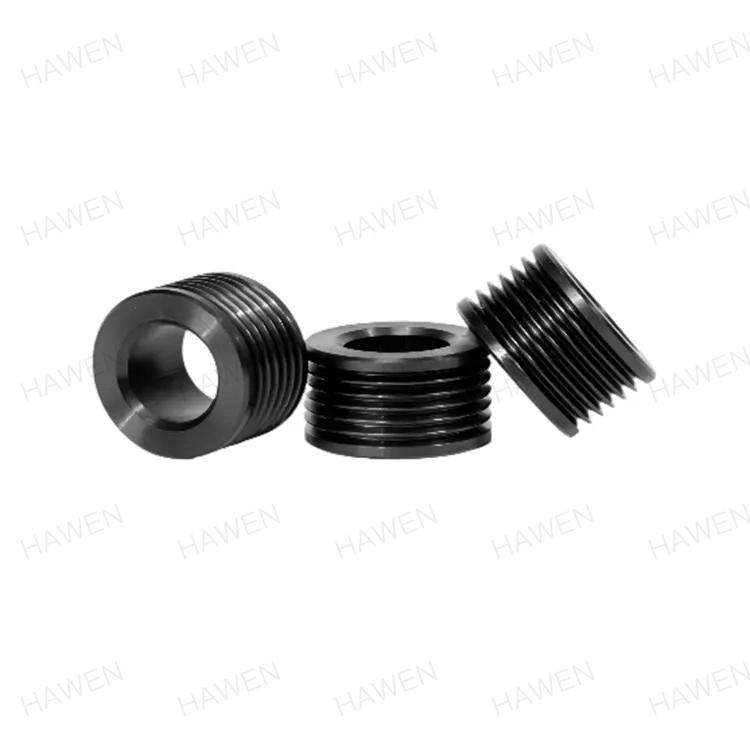
V-Belt Pulley

Table of Contents


What is a V-Belt Pulley?

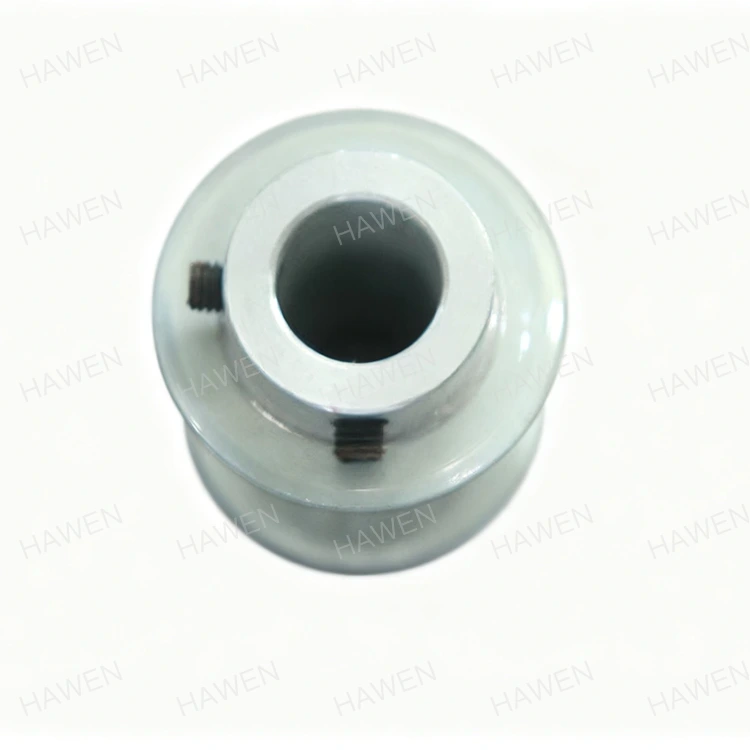
A V-belt pulley is a grooved wheel designed to transmit power between shafts using a V-shaped belt. The V-shape improves friction and prevents slipping, making it ideal for industrial and automotive applications. These pulleys are widely used in machinery like conveyors, compressors, and HVAC systems.

Key benefits of V-belt pulleys include:

  • High efficiency in power transmission
  • Reduced slippage and wear
  • Versatility in various applications
  • Ease of replacement and maintenance

Types of V-Belt Pulleys

V-belt pulleys come in multiple types based on their design, groove angle, and material. Choosing the right type ensures optimal performance and longevity.

Type Description Applications
Standard V-Pulley Commonly used with standard V-belts; simple and durable Industrial machines, fans, pumps
Variable Speed Pulley Allows adjustment of belt speed by changing pulley diameter Conveyors, machine tools, packaging equipment
Double or Multi-Groove Pulley Supports multiple belts for higher torque transmission Heavy-duty machinery, automotive engines
Cast Iron Pulley Durable, high-strength material for heavy loads Mining, steel industry, construction equipment
Aluminum Pulley Lightweight and corrosion-resistant Light machinery, motors, small-scale production lines

How to Select the Right V-Belt Pulley

Selecting the right V-belt pulley requires understanding the system requirements and operational environment. Key factors include:

  • Belt Size: Ensure the pulley groove matches the V-belt profile.
  • Speed Ratio: Calculate based on driver and driven shaft speeds.
  • Load Capacity: Consider torque requirements and peak loads.
  • Material: Choose cast iron for heavy-duty or aluminum for lightweight systems.
  • Environmental Factors: Heat, moisture, and chemicals may affect material choice.

A correct selection not only improves efficiency but also reduces wear and maintenance costs.


Installation and Maintenance Tips

Proper installation and regular maintenance extend the life of V-belt pulleys. Follow these best practices:

  1. Align the pulleys precisely to prevent belt misalignment and wear.
  2. Maintain proper tension; too tight causes bearing stress, too loose causes slippage.
  3. Inspect grooves and belts for signs of wear, cracks, or damage.
  4. Lubricate bearings periodically as per manufacturer guidelines.
  5. Clean the pulleys to remove dust, grease, and debris that reduce friction.

Documenting maintenance schedules ensures predictable machine performance and reduces unexpected downtime.


Common Problems and Troubleshooting

Even with high-quality V-belt pulleys, issues can arise. Identifying the root cause early prevents prolonged downtime:

  • Belt Slippage: Usually caused by insufficient tension or worn pulley grooves. Adjust tension or replace components.
  • Excessive Noise: May indicate misalignment or worn bearings. Realign pulleys and inspect bearings.
  • Uneven Wear: Could be caused by improper installation or incompatible belt type. Ensure correct belt-pulley pairing.
  • Overheating: Often due to friction from misaligned or overloaded pulleys. Check load and alignment.
  • Corrosion: Prevent by choosing suitable materials and performing regular cleaning.

FAQ

Q1: Can I use a V-belt pulley for high-speed applications?

Yes, but ensure the pulley and belt are rated for high RPMs to avoid slippage and excessive wear.

Q2: How often should I replace V-belts?

Replacement depends on usage and environment, but generally every 6–12 months for industrial applications or when signs of wear appear.

Q3: Can multiple belts be used on one pulley?

Yes, multi-groove pulleys can accommodate several belts for higher torque and improved load distribution.

Q4: What is the difference between cast iron and aluminum pulleys?

Cast iron pulleys are stronger and suitable for heavy loads, while aluminum pulleys are lighter and resistant to corrosion, ideal for less demanding applications.


Conclusion

V-belt pulleys are indispensable for efficient mechanical power transmission. Understanding their types, proper selection, installation, and maintenance ensures optimal performance and long-lasting reliability. Investing time in choosing the right V-belt pulley translates to reduced downtime, lower operational costs, and improved productivity. For high-quality V-belt pulleys and expert guidance, HAWEN is your trusted partner. Contact us today to find the perfect solution for your machinery needs.

Related News
Leave me a message
X
We use cookies to offer you a better browsing experience, analyze site traffic and personalize content. By using this site, you agree to our use of cookies. Privacy Policy
Reject Accept