Products
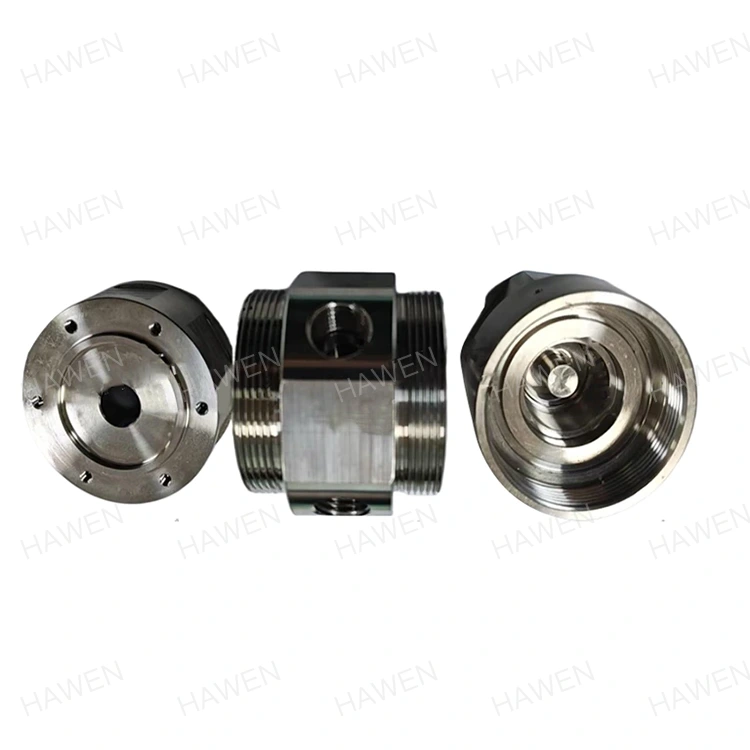
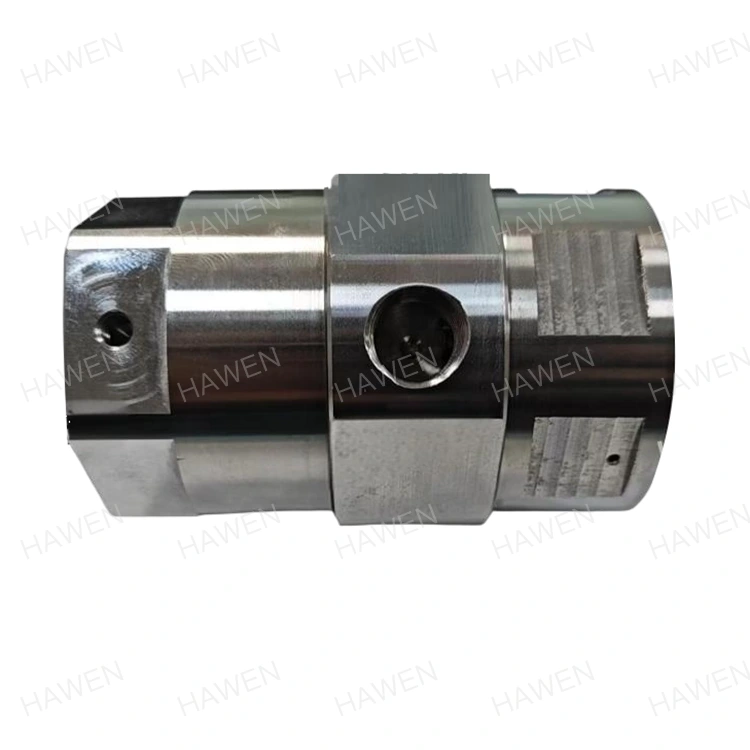
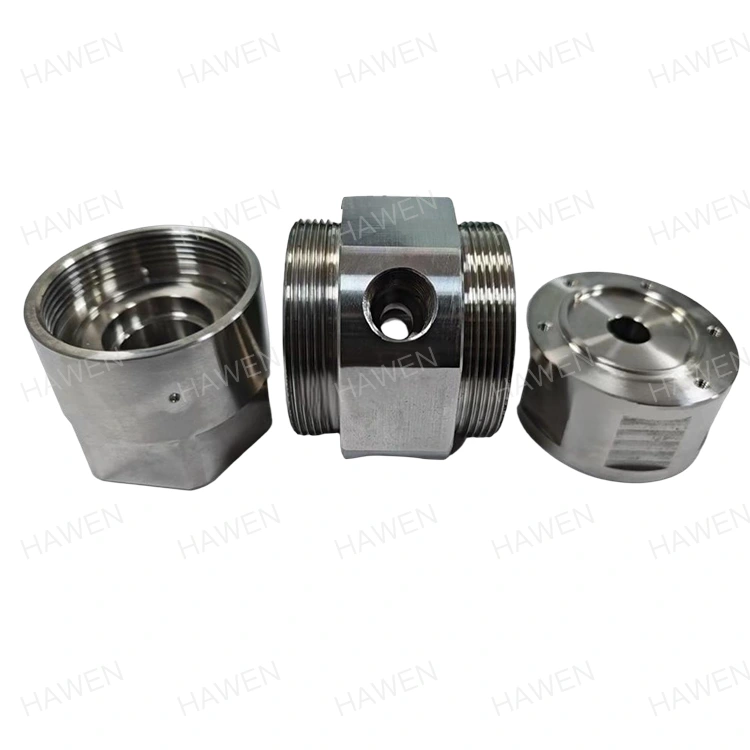
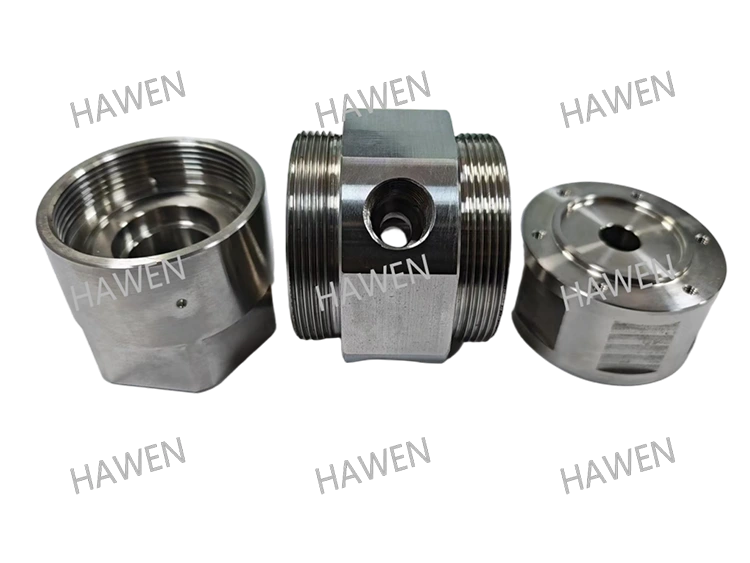
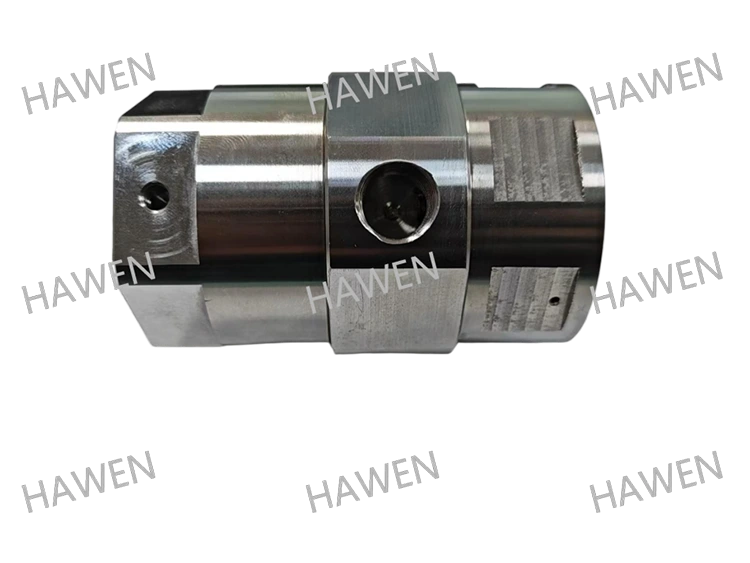
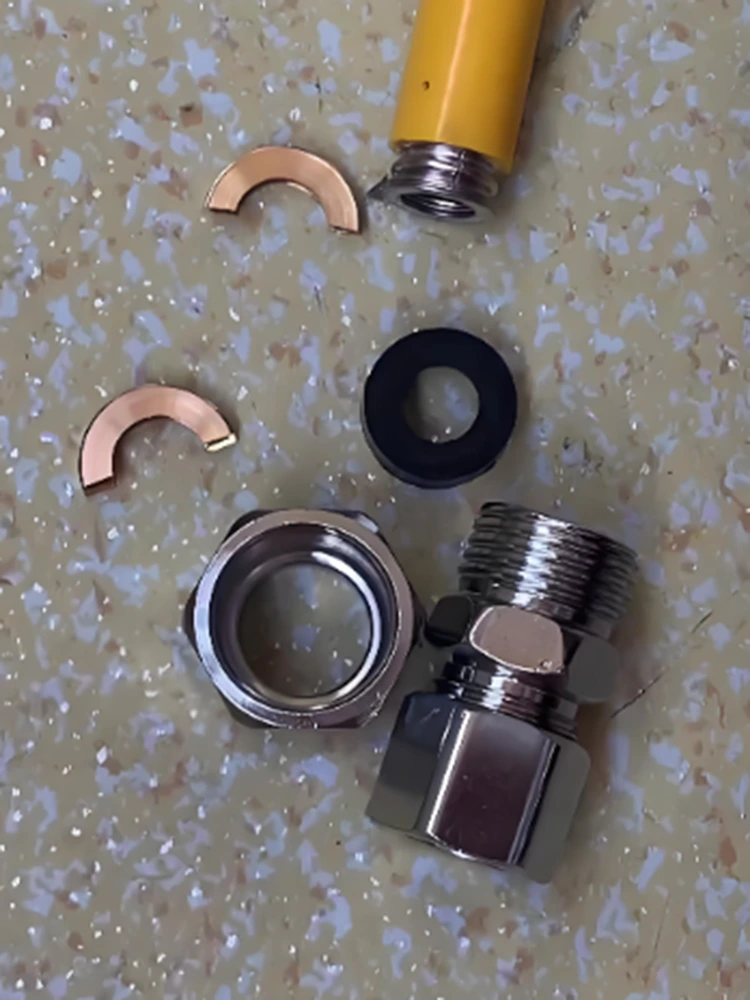
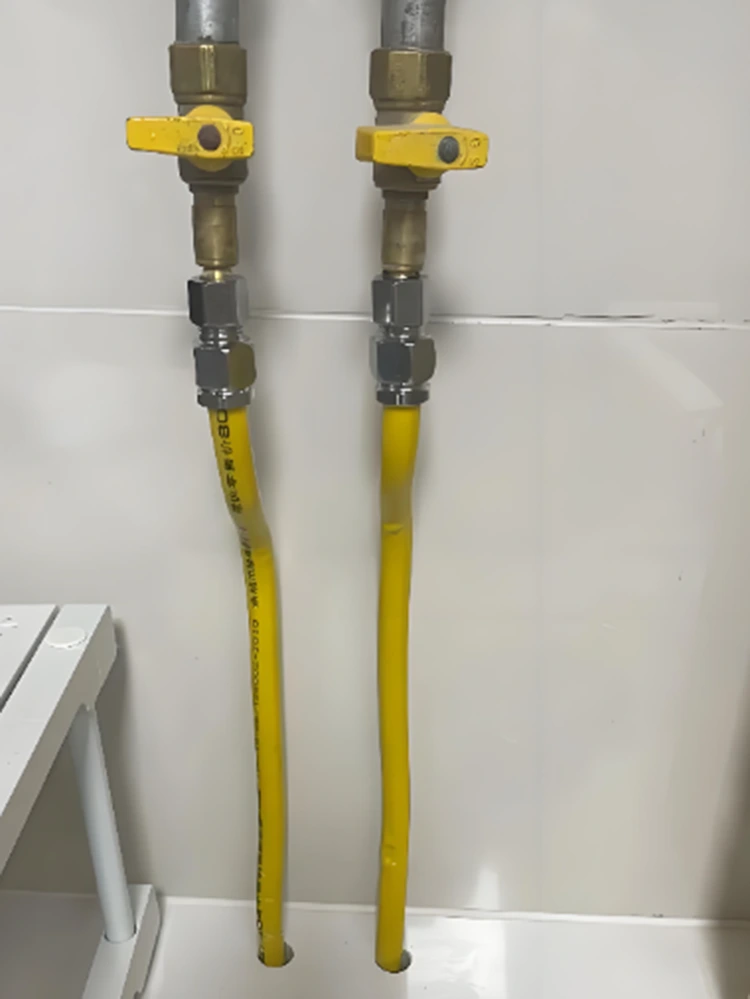
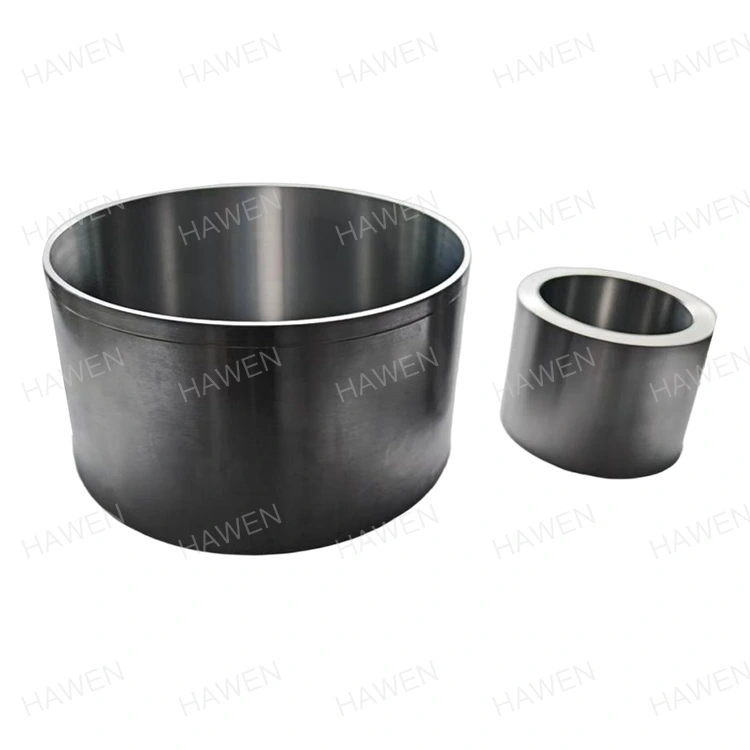
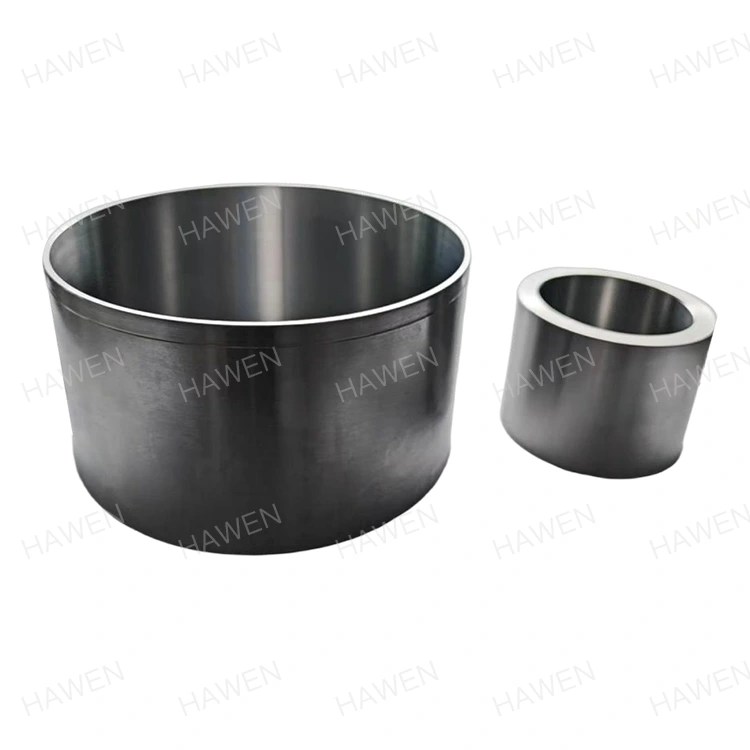
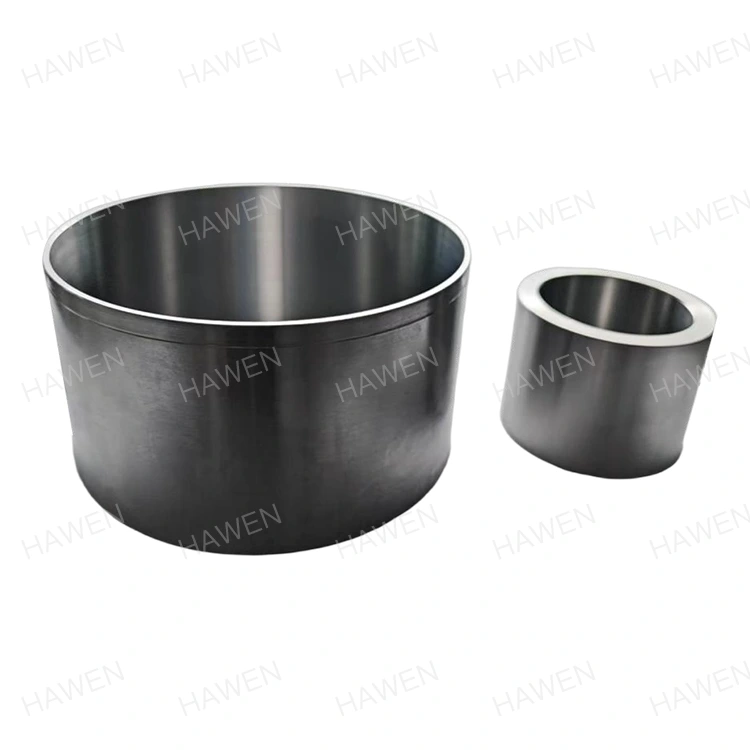
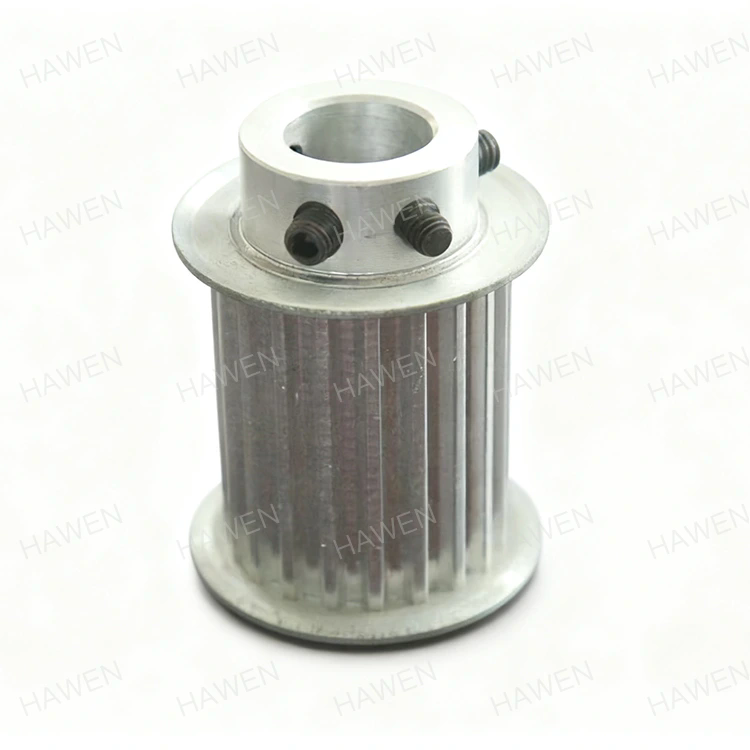
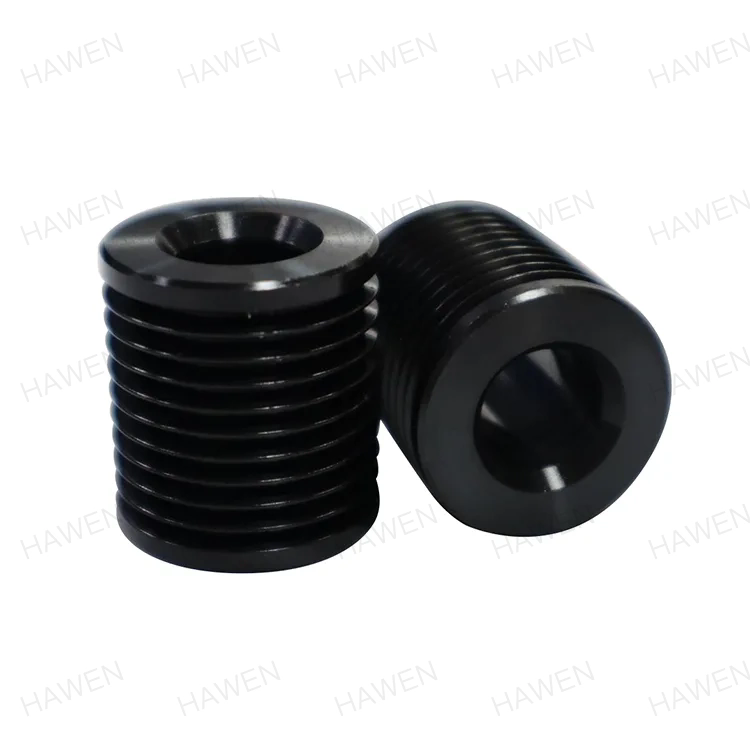
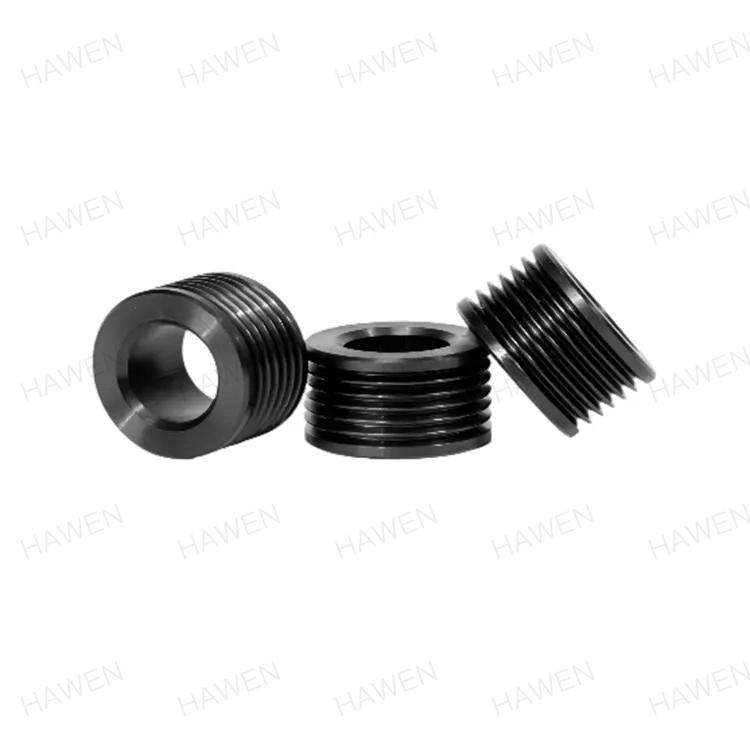
Stainless Steel Hardware For Industrial Use
  • Stainless Steel Hardware For Industrial UseStainless Steel Hardware For Industrial Use
  • Stainless Steel Hardware For Industrial UseStainless Steel Hardware For Industrial Use
  • Stainless Steel Hardware For Industrial UseStainless Steel Hardware For Industrial Use

Stainless Steel Hardware For Industrial Use

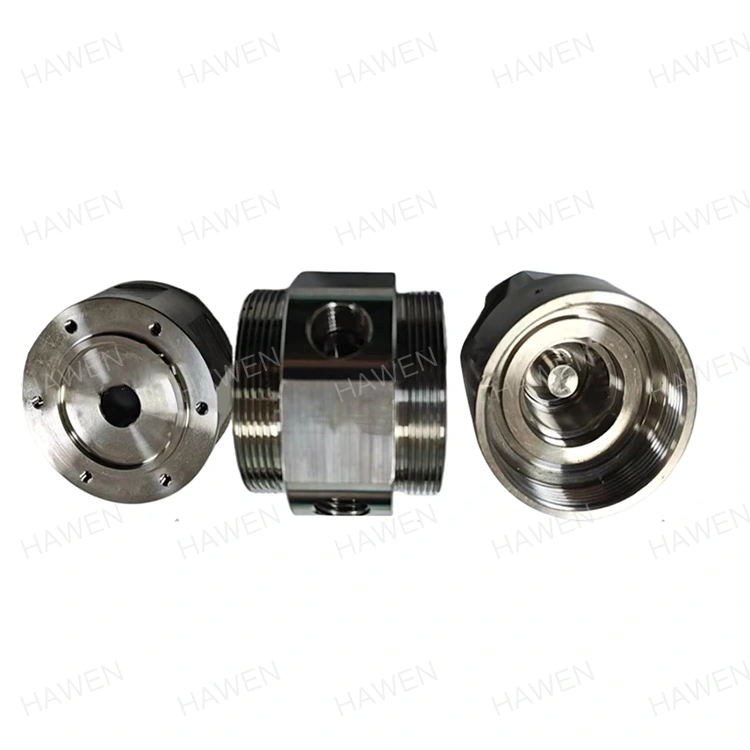
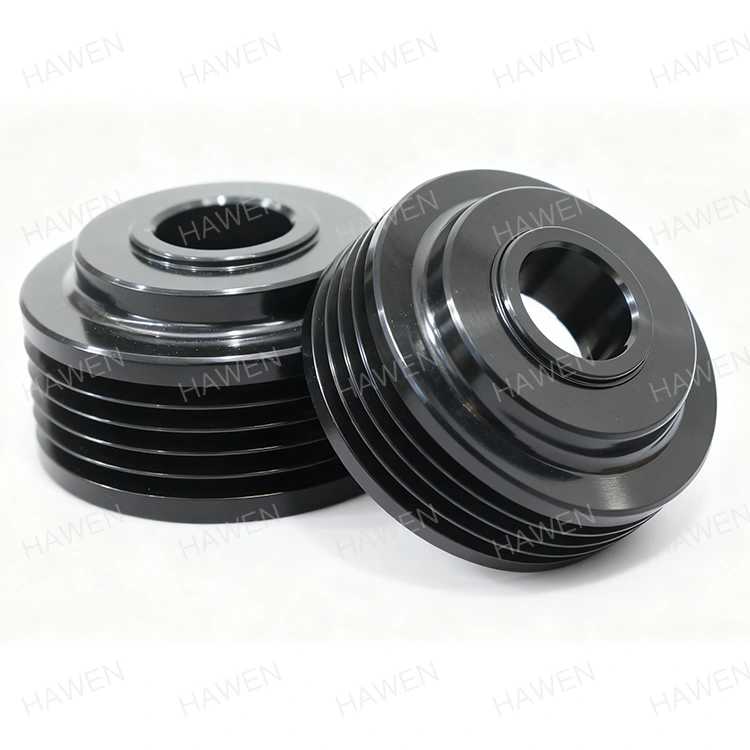
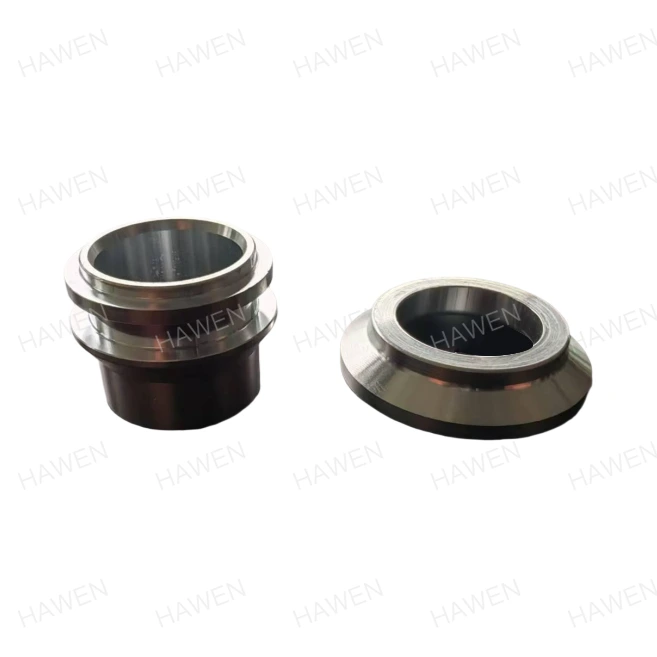
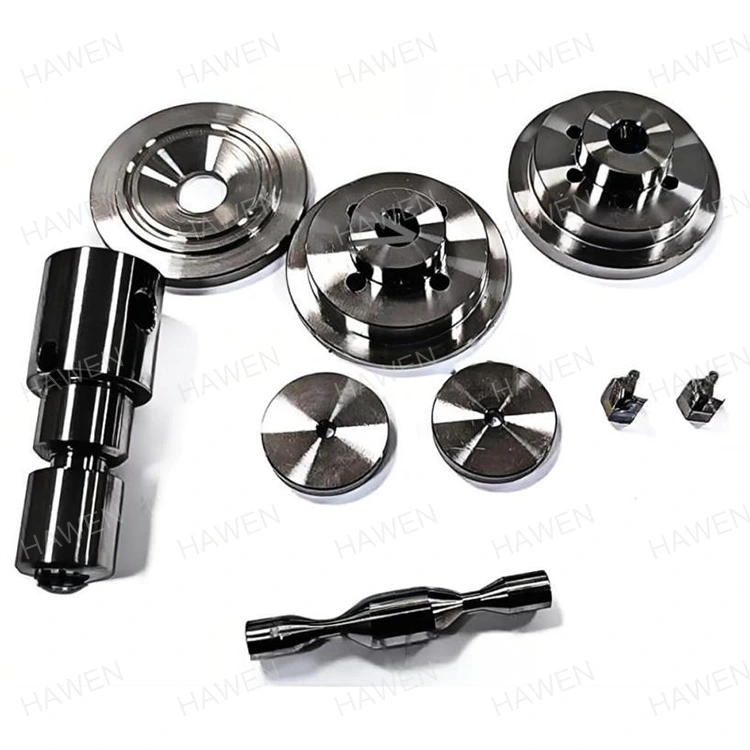
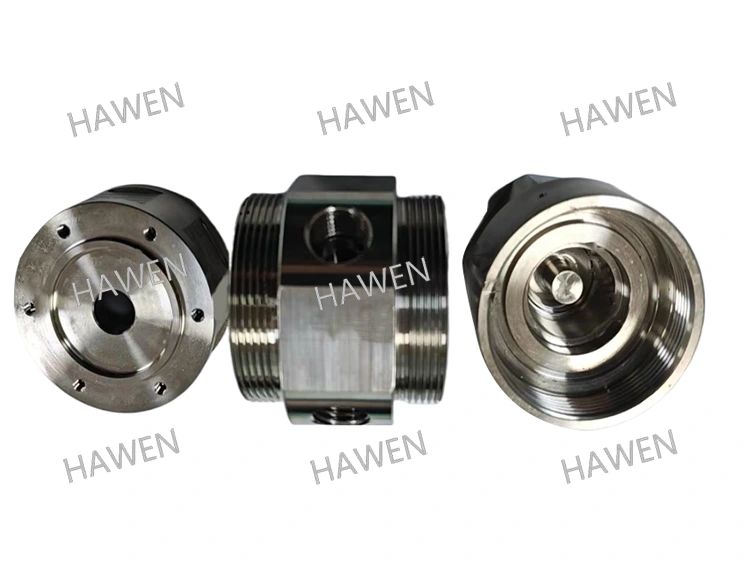
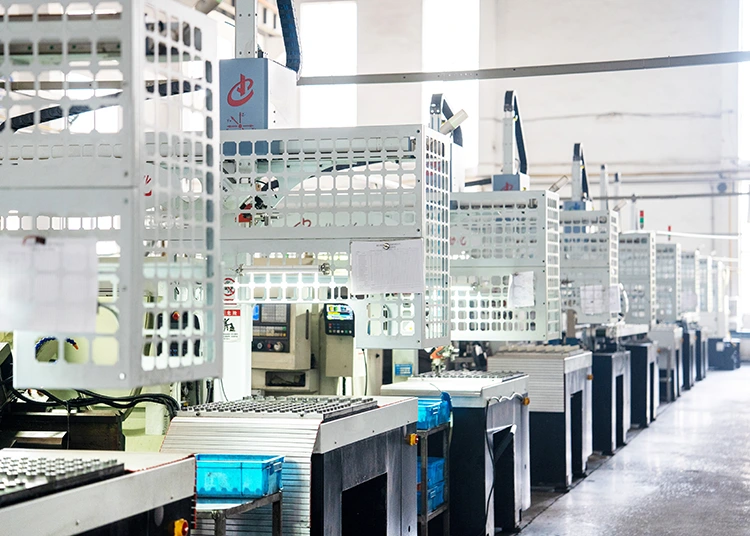
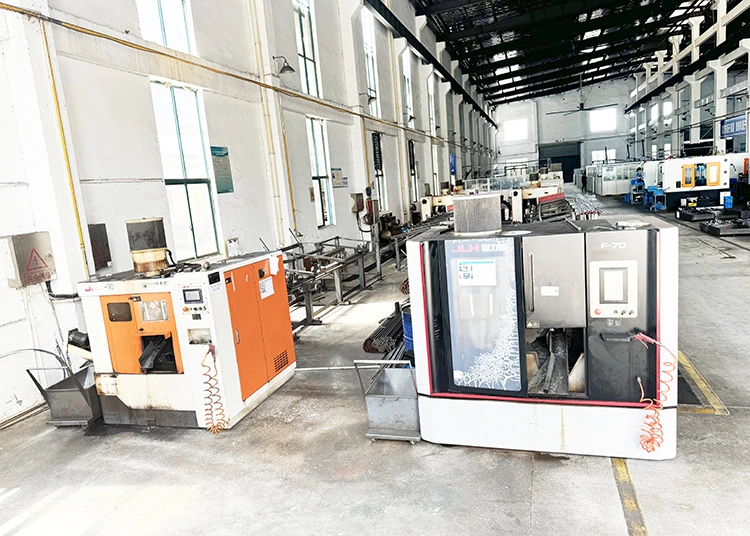
HAWEN is a professional manufacturer and global supplier of high-precision Stainless Steel Hardware For Industrial Use, offering robust fluid sealing and explosion-proof connection products. Operating advanced turn-mill compound processing lines, this manufacturing facility delivers unmatched dimensional accuracy for hazardous process environments.

As an industry-leading manufacturer and certified supplier, HAWEN specializes in exporting heavy-duty Stainless Steel Hardware For Industrial Use to global markets. Utilizing grade 316 austenitic alloys, the production plant fabricates explosion-proof joints, three-way connectors, and pipe plugs with an inner bore tolerance of ≤0.01mm. This automated facility maintains ten production lines with a monthly output capacity of 5 million units, ensuring rapid supply and complete compliance with international standards.

Stainless Steel HardwareStainless Steel HardwareStainless Steel Hardware


Fluid System Dynamics in Hazardous Processing Environments

Modern industrial operations involve transferring highly pressurized, volatile, or chemically reactive fluids through intricate networks of pipelines. Within these demanding systems, integrating Stainless Steel Hardware For Industrial Use is a fundamental requirement to prevent catastrophic leaks, pressure drops, or flame transmission. High-pressure configurations depend on robust connections to prevent structural joint failures when subjected to high temperatures or volatile chemical contact.

  • Petrochemical Processing Safety: Refineries and chemical processing facilities require highly secure pneumatic and electrical conduit connections. In these highly volatile environments, explosion-proof union joints isolate internal sparks, eliminating the risk of ignition or thermal accidents.
  • Subsurface Coal Extraction: Underground mining operations face constant threats from combustible gas accumulations. Utilizing certified explosion-proof connectors on electrical equipment ensures that any electrical arcing is fully contained within the heavy-duty enclosure, securing operations.
  • Automotive Manufacturing Assembly: Automotive production lines employ extensive pneumatic instrumentation and automated tool networks. Installing heavy-duty connection fittings maintains long-term structural reliability, resisting high-frequency vibrations and dynamic pressure spikes.

Metallurgical Specifications and Thermal Conditioning

The operational lifespan and safety margins of high-pressure fittings are determined by their base material composition. Utilizing premium 316 austenitic stainless steel strip ensures that the finished equipment maintains excellent corrosion resistance, high-temperature mechanical strength, and superb machining characteristics under heavy physical stress.

Alloy Composition Limits (Mass Fraction)

  • Carbon (C): ≤0.08% — Controls carbide precipitation during processing.
  • Silicon (Si): ≤1.00% — Enhances melting fluid dynamics and resistance to high-temperature oxidation.
  • Manganese (Mn): ≤2.00% — Improves hot-working strength and overall structural hardness.
  • Sulfur (S): ≤0.030% — Strictly restricted to prevent thermal cracking during casting and forging.
  • Phosphorus (P): ≤0.035% — Kept to a minimum to avoid cold shortness and brittle failure.
  • Chromium (Cr): 16.00% to 18.50% — Forms the highly stable chromium oxide passive film for corrosion defense.
  • Nickel (Ni): 10.00% to 14.00% — Stabilizes the austenitic grain structure to preserve low-temperature toughness.
  • Molybdenum (Mo): 2.00% to 3.00% — Drastically improves resistance to chloride pitting compared to standard 304 grades.

Mechanical Properties and Heat Treatment

The alloy boasts a verified yield strength of ≥205 MPa and an elongation capacity of ≥40%, combined with a material density of 7.93 g/cm³. To guarantee optimal structural consistency, components undergo rigorous solution heat treatment. This process involves heating the metal to a range of 1010°C to 1150°C, followed by rapid cooling. This thermal conditioning completely dissolves chromium carbides, restoring the maximum corrosion resistance of the alloy before the machining phase.

Geometric Tolerance Controls and Compound Machining

Achieving a reliable, leak-free seal in pneumatic and hydraulic lines requires high dimensional accuracy. Microscopic surface imperfections or slight ovality in the thread pattern can lead to micro-leakages over time. Advanced manufacturing methods prevent these assembly defects, producing components that mate flawlessly with existing pipelines.

Turn-Mill Compound Technology

By combining turning and milling actions into a single machine tool setup, secondary handling errors are eliminated. This direct machining approach guarantees exact alignment between the external thread axes, internal bores, and sealing shoulders. Highly accurate machining equipment, top-tier cutting tools, and temperature-stabilized environments prevent tool deflection and structural vibration during processing.

Metrology and Real-Time Verification

Process stability is continuously monitored using high-precision metrology systems. Quality technicians utilize Coordinate Measuring Machines (CMM) for multi-axis layout validation, high-accuracy roundness testers to monitor internal bore shape, and optical profile measuring instruments to verify thread angles. Statistical Process Control (SPC) algorithms identify deviations instantly, allowing real-time tool compensation during high-volume production.

Automated Passivation and Quality Testing Standards

Because these metal components operate in aggressive salt-spray, high-humidity, or chemical environments, standard surfaces are highly prone to oxidation if left untreated. Implementing dedicated, automated chemical treatments enhances the natural passivation layer of the stainless steel.

The Touchless Passivation Workflow

The Stainless Steel Hardware For Industrial Use production plant utilizes a fully automatic passivation system integrated with an automated drying line. The entire process is hands-free, eliminating the risk of human-contact contamination or minor surface collisions that could compromise the passive oxide layer. This specialized chemical formula ensures a uniform, clean surface finish across all threads and inner channels, providing dependable wear resistance and long-term surface stability.

Performance Metrics and Standards Comparison

Through strict metallurgical selection and automated finishing, the finished equipment exceeds standard industry parameters in key mechanical and chemical categories:

Critical Performance Area Standard Reference Indicator Common Industry Limit Factory Production Metric
Bore Dimensional Accuracy Internal diameter deviation ≤0.03 mm ≤0.01 mm
Mating Flatness Sealing surface variation ≤0.03 mm ≤0.02 mm
Oxidation Resistance Neutral Salt Spray Test (NSS) 48 Hours 72 Hours
Environmental Conformity Hazardous substance restriction EU Standards RoHS & REACH Certified

Why Choose Us

Maintaining a stable, reliable industrial supply chain requires a manufacturer that blends deep engineering experience with large-scale production capacities. The production hub provides distinct logistical and technical advantages:

  • Substantial Scaling Capacity: The facility runs 10 fully automated production lines, supported by dedicated surface cleaning and automated black oxide treatment channels. Total monthly output capacity reaches 5 million units, with average monthly shipments of 3 to 4 million units. This leaves a 40% to 60% buffer capacity to quickly manage sudden scale-up requests.
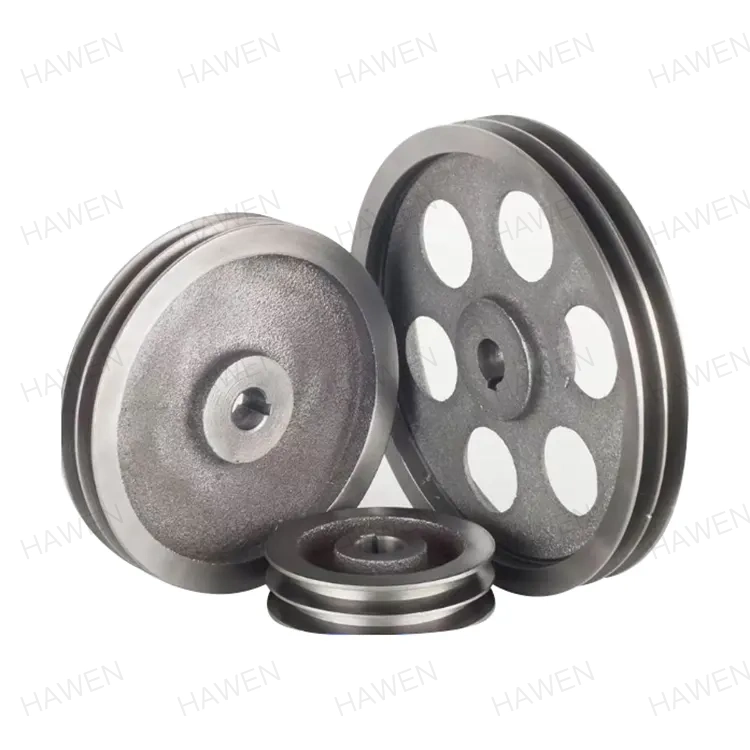
  • Proven Market Integration: Backed by more than twenty years of industry presence, the brand has built a strong market position. This is demonstrated by a 65%-75% domestic market share for motor pulleys, a 50% market share for timing pulleys, and a solid 5% market share in China for high-precision 316 stainless steel explosion-proof joints.
  • Strategic Regional Logistics: Located in Zhejiang Province, a major manufacturing hub, the facility maintains close ties with certified raw material suppliers. This proximity minimizes procurement lead times, ensures supply security, and allows rapid adaptation to design alterations.
  • End-to-End Quality Yields: Raw materials are fully checked at the sourcing stage. Online inspection systems monitor manufacturing parameters in real time, sustaining a 99.995% process yield rate, followed by a 100% outgoing inspection protocol before shipment.

Stainless Steel Hardware For Industrial UseStainless Steel Hardware For Industrial Use

Technical FAQ

What are the primary structural advantages of 316L stainless steel over standard steel?

316L stainless steel contains a significant addition of molybdenum (2.00% to 3.00%) and lower carbon content, which provides superior resistance to crevice corrosion and chloride-induced pitting. This metallurgy ensures the equipment survives in maritime, chemical, and industrial fluid applications where standard steels experience rapid oxidative degradation.

How does the factory maintain an inner bore tolerance of ≤0.01 mm?

This precision is achieved using high-precision CNC turn-mill compound machines that shape both the inner bore and the outer thread in a single clamping step. This removes the alignment errors caused by manual part transfers, while SPC and high-accuracy CMM verification keep production tolerances highly consistent.

Are custom thread profiles and specialized materials supported?

Yes. The engineering team utilizes 20 years of technical expertise to manufacture custom fittings, three-way joints, and specialized pipe plugs according to supplied drawings. Production can use designated raw materials, customized thread specifications, and custom surface treatments to meet specific application demands.

What environmental certifications back these industrial fittings?

All manufactured equipment like Stainless Steel Hardware For Industrial Use is backed by official RoHS and REACH compliance reports. Raw materials and surface treatment processes are selected to minimize hazardous chemicals, utilizing automated systems to prevent environmental waste and workplace contamination.

Why is the 72-hour neutral salt spray test rating significant?

The standard industry requirement for stainless steel passivation is 48 hours. By utilizing a proprietary automated passivation formula and integrated drying, the finished parts withstand 72 hours of continuous salt spray testing without showing any signs of rust or surface degradation, doubling their operational lifespans in marine or chemical environments.


Stainless Steel HardwareStainless Steel Hardware

Hot Tags: Stainless Steel Hardware For Industrial Use, Manufacturer, Supplier, Factory
Send Inquiry
Contact Info
We are a professional manufacturer of pulleys and machining components series  ,Our products have been exported to Italy ,Turkey Japan and many others countries for many years.For more details,please feel free to contact us through email or phone directly,We will quote you an accurate price when got you your drawings and specifications.
HAWEN technology is trustworthy!
Looking forward to your Inquiry! Thank you!
X
We use cookies to offer you a better browsing experience, analyze site traffic and personalize content. By using this site, you agree to our use of cookies.Privacy Policy
RejectAccept