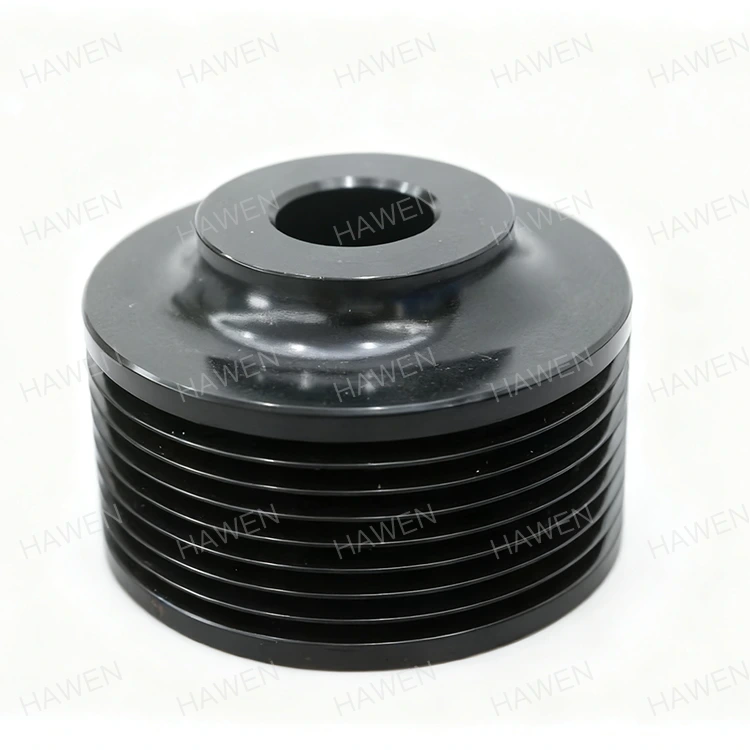
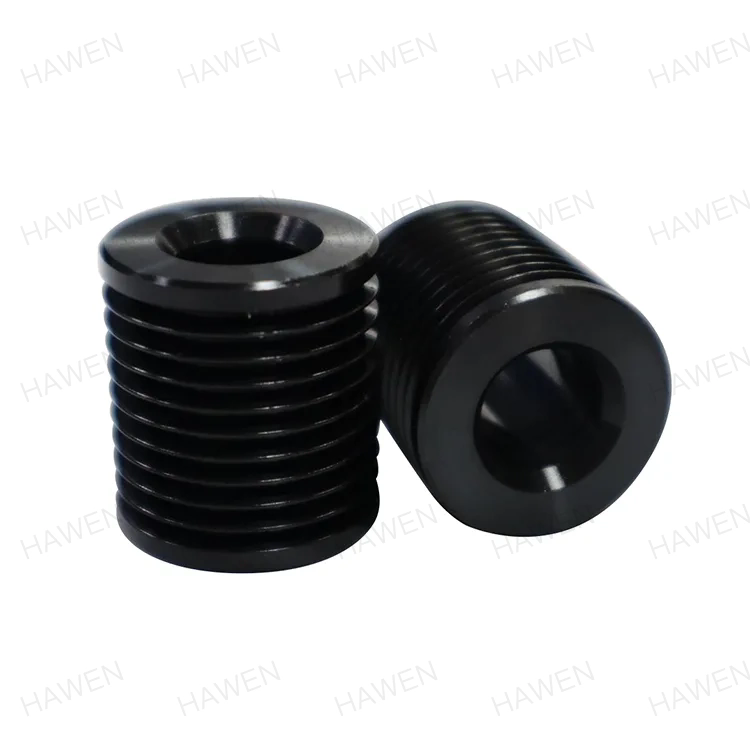
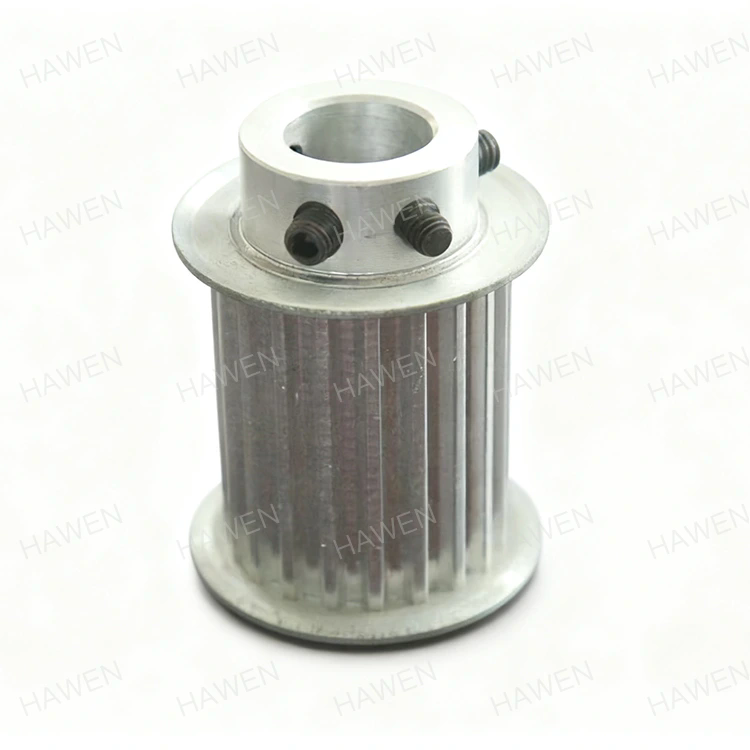
Hidden inside your washing machine is a simple but crucial component that makes the spin cycle possible: the pulley. This small, wheel-like part is the key link that transfers power from the motor to the drum, turning a slow wash into a high-speed spin to wring out your clothes.
What Does It Do?
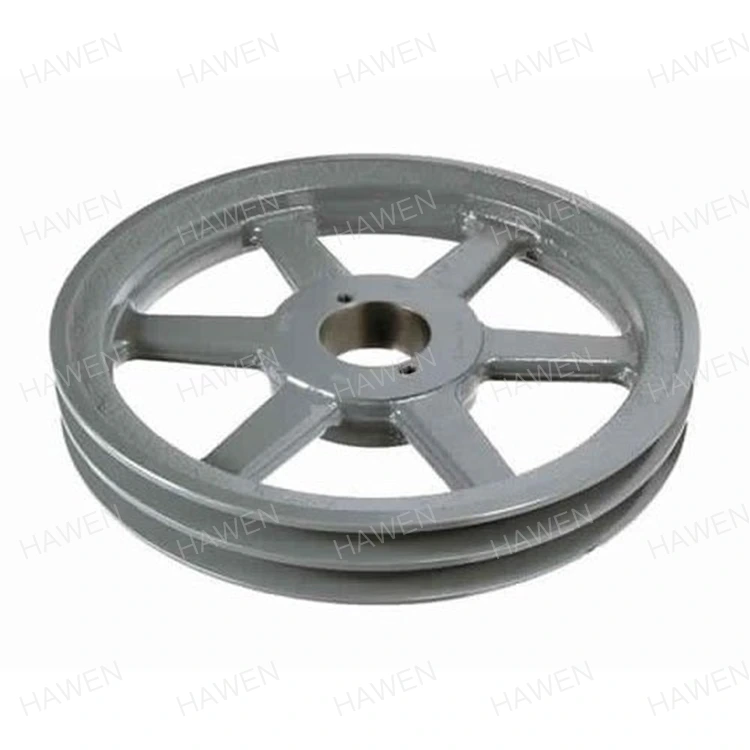
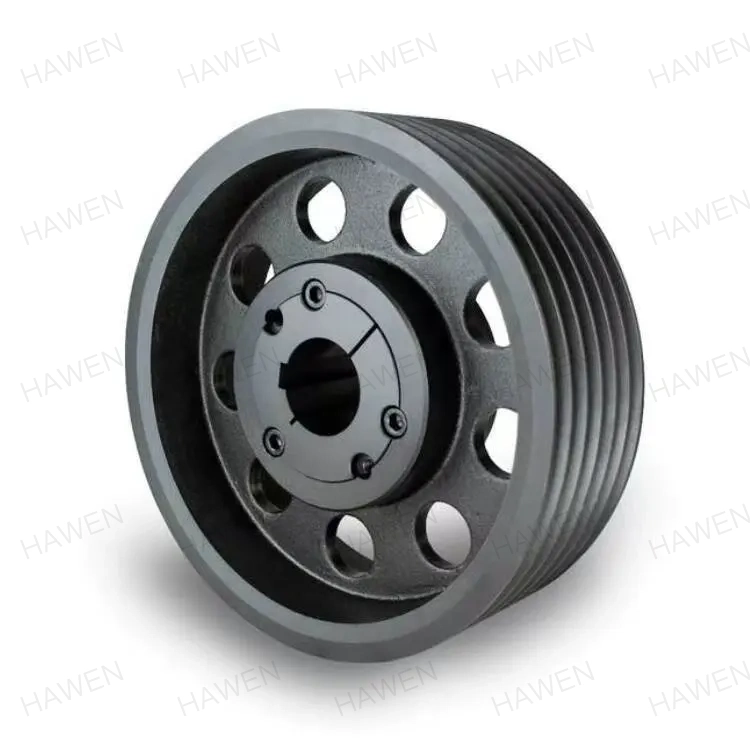
The pulley works as part of a belt drive system. The washing machine's electric motor has a small pulley on its shaft, connected by a rubber belt to a much larger pulley attached to the outer tub or drum. When the motor spins, the belt turns the large pulley, which then rotates the entire drum.
This setup provides two main benefits:
Speed Multiplication: The motor spins very fast. By using a small motor pulley and a large drum pulley, the system increases the torque (rotational force) while reducing the final drum speed during the wash agitation. For the spin cycle, a clutch or motor reversal often engages the pulley differently to achieve the very high spinning speeds needed.
Shock Absorption: The rubber belt acts as a buffer. It absorbs sudden jolts from the motor starting or an unbalanced load, protecting both the motor and the drum from damage.
The Two Main Types
Drive Pulley: This is the main pulley attached to the washing machine's outer tub or drum. It's usually large and made of durable, corrosion-resistant materials like stainless steel or engineered plastic.
Motor Pulley: This smaller pulley is mounted directly on the motor shaft. It is the "driver" that initiates the motion.
Common Problems and Signs of Failure
As a moving part under constant stress, the pulley system can fail. Common issues include:
A Worn or Cracked Belt: This is the most common problem. It can cause slipping, a loud squealing noise, or a complete loss of drum rotation.
A Damaged Pulley: The pulley itself can crack, or its grooves can become worn smooth. This prevents the belt from gripping properly.
Seized Pulley Bearings: Bearings allow the pulley to spin smoothly. When they fail, they can create a grinding noise, cause overheating, and stop the drum from turning.
If your washer drum won't spin, makes loud squealing or grinding noises, or smells like burning rubber, a faulty pulley or belt is a likely cause.
Conclusion
Though out of sight, the humble washing machine pulley plays a starring role in your appliance's performance. It's a brilliant example of simple mechanical engineering, efficiently translating motor power into the essential spinning action that leaves your clothes clean and nearly dry. Its smooth operation is vital for a quiet, effective, and long-lasting washing machine.
We use cookies to offer you a better browsing experience, analyze site traffic and personalize content. By using this site, you agree to our use of cookies.
Privacy Policy