News

How Does an Automotive Timing Pulley Improve Engine Performance?

2026-05-25 0 Leave me a message

In modern vehicle engines, precision is everything. Even the slightest imbalance in timing synchronization can reduce engine efficiency, increase wear, and lead to costly repairs. One of the most critical components responsible for maintaining accurate engine timing is the Automotive Timing Pulley. Whether used in passenger cars, racing vehicles, trucks, or industrial automotive systems, timing pulleys play a key role in ensuring smooth and reliable power transmission.

This article explores how automotive timing pulleys work, their benefits, common problems, material selection, maintenance methods, and how choosing a reliable manufacturer like HAWEN can improve overall vehicle reliability and operational performance.

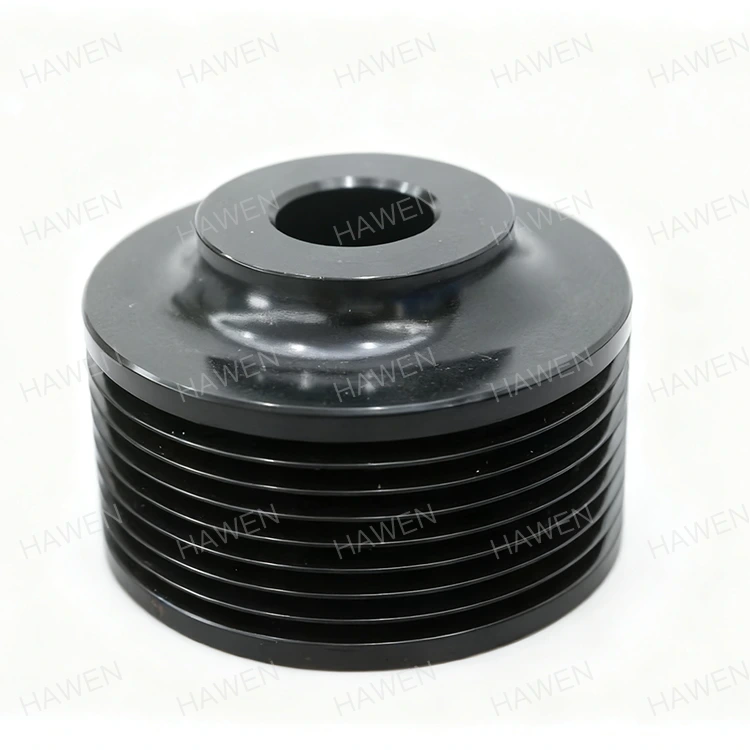
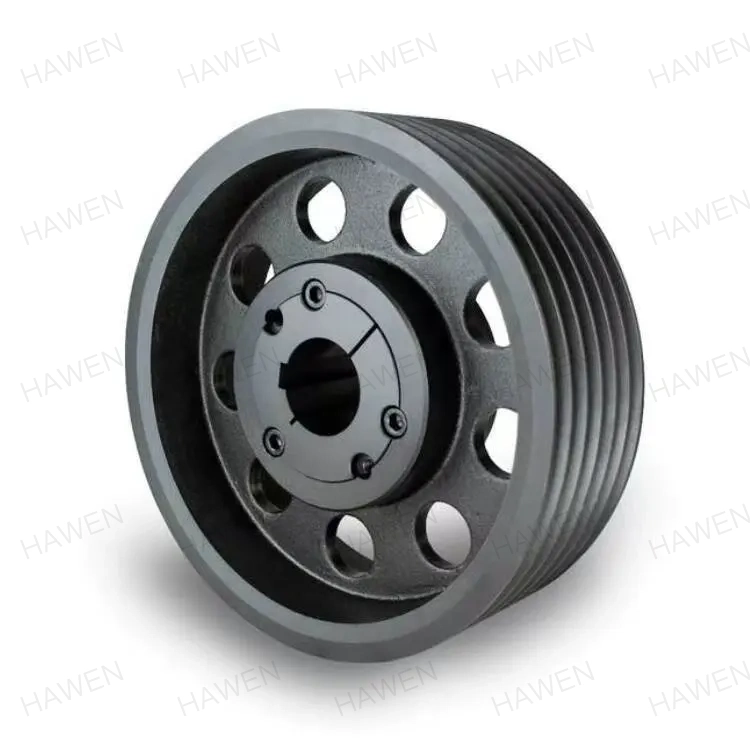
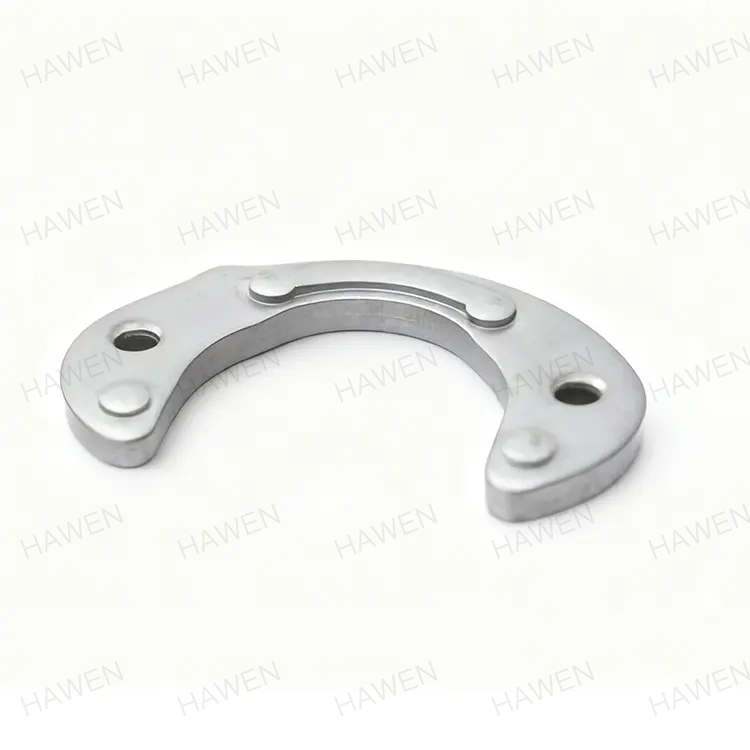
Automotive Timing Pulley

Table of Contents


What Is an Automotive Timing Pulley?

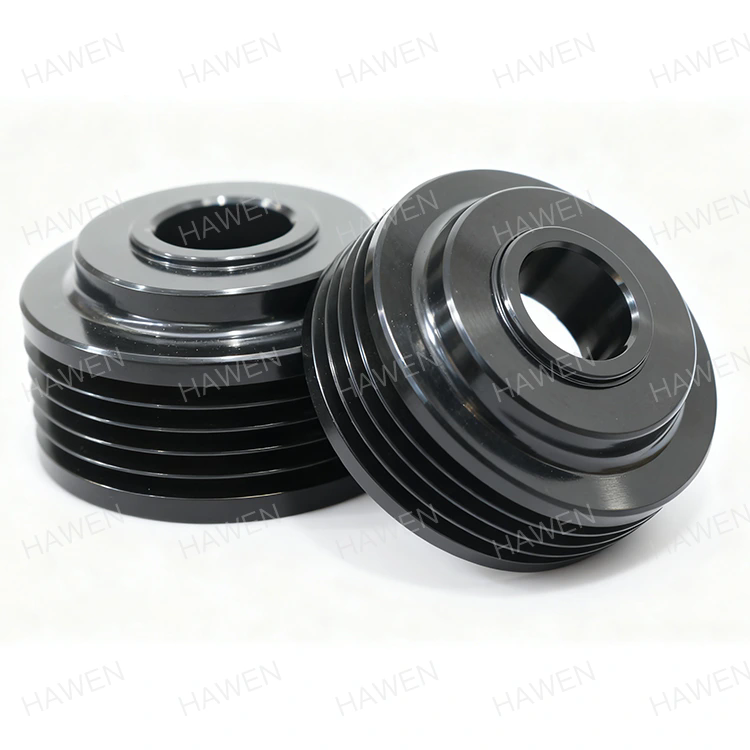
An Automotive Timing Pulley is a toothed wheel specifically designed to work with a timing belt in engine transmission systems. Unlike traditional flat pulleys, timing pulleys contain precisely machined grooves or teeth that match the belt profile, preventing slipping during operation.

The pulley ensures synchronized rotation between engine components such as:

  • Crankshaft
  • Camshaft
  • Water pump
  • Fuel injection system
  • Balance shafts

Proper synchronization allows valves to open and close at the correct intervals, which directly impacts fuel efficiency, combustion quality, engine power, and emissions performance.

Product page reference: Automotive Timing Pulley


How Does an Automotive Timing Pulley Work?

The working principle of a timing pulley is based on positive engagement between the pulley teeth and the timing belt teeth. As the crankshaft rotates, the timing belt transfers rotational motion to the camshaft through the pulley system.

Because the belt and pulley teeth mesh together directly, the system eliminates slippage and maintains highly accurate rotational synchronization.

Component Main Function
Timing Pulley Transfers rotational motion precisely
Timing Belt Connects pulleys and synchronizes movement
Crankshaft Converts piston motion into rotation
Camshaft Controls valve opening and closing
Tensioner Maintains correct belt tension

High-quality timing pulleys are manufactured with extremely tight tolerances to ensure stable operation under high RPM conditions and varying temperatures.


Why Timing Accuracy Matters in Automotive Systems

Engine timing directly affects vehicle performance. Even minor timing deviations can result in:

  • Reduced engine power
  • Poor fuel economy
  • Increased exhaust emissions
  • Engine vibration
  • Valve collision damage
  • Premature component wear

Automotive timing pulleys are engineered to maintain exact synchronization between moving engine components. In high-performance or turbocharged engines, timing precision becomes even more critical because engine speeds and thermal loads are significantly higher.

Stable timing transmission also improves combustion efficiency, helping manufacturers meet increasingly strict environmental and fuel-efficiency standards.


Main Advantages of Automotive Timing Pulleys

Automotive timing pulleys provide several important benefits compared with traditional friction-based transmission systems.

Advantage Description
Precise Synchronization Maintains exact timing without slippage
High Transmission Efficiency Reduces energy loss during operation
Low Noise Operation Produces quieter engine performance
Reduced Maintenance Requires less adjustment than chain systems
Lightweight Design Helps reduce overall engine weight
Long Service Life Durable materials resist wear and fatigue

Modern automotive manufacturers increasingly prefer timing pulley systems because they combine efficiency, durability, and compact design.


Common Materials Used in Timing Pulleys

Material selection significantly affects the performance and lifespan of timing pulleys.

Material Characteristics
Aluminum Alloy Lightweight, corrosion-resistant, suitable for high-speed systems
Carbon Steel High strength and wear resistance
Stainless Steel Excellent corrosion resistance in harsh environments
Engineering Plastics Low noise and lightweight for specific applications

Aluminum timing pulleys are especially popular in performance vehicles due to their low rotational inertia and excellent heat dissipation characteristics.


Typical Automotive Applications

Automotive timing pulleys are widely used across different vehicle categories and engine systems.

  • Passenger car engines
  • Hybrid vehicle systems
  • Diesel engines
  • High-performance racing engines
  • Commercial trucks
  • Electric auxiliary drive systems
  • Water pump timing systems
  • Balance shaft synchronization systems

As automotive technology continues to evolve, precision transmission systems are becoming more important in improving overall drivetrain efficiency.


How to Choose the Right Automotive Timing Pulley

Selecting the proper timing pulley is essential for ensuring stable and long-lasting engine operation.

Important selection factors include:

  • Pulley tooth profile compatibility
  • Number of teeth
  • Outer diameter
  • Bore size and shaft fit
  • Material strength
  • Operating temperature range
  • Load capacity
  • Rotational speed requirements

Incorrect pulley selection can lead to belt skipping, excessive vibration, noise, and even catastrophic engine failure.

Working with experienced manufacturers like HAWEN helps customers obtain customized timing pulley solutions tailored to specific automotive applications.


Common Timing Pulley Problems and Solutions

Problem Possible Cause Recommended Solution
Belt Slippage Improper tension or worn teeth Adjust tension or replace components
Abnormal Noise Misalignment or damaged bearings Inspect alignment and bearing condition
Premature Wear Poor material quality Use high-grade timing pulleys
Tooth Damage Overload or debris contamination Clean system and inspect load conditions
Vibration Imbalanced pulley installation Perform proper balancing and alignment

Early inspection and preventive maintenance can significantly reduce unexpected downtime and repair costs.


Maintenance Tips for Longer Service Life

Proper maintenance is critical for maximizing timing pulley performance and durability.

  • Inspect belt tension regularly
  • Check pulley alignment periodically
  • Monitor tooth wear and surface damage
  • Replace worn timing belts on schedule
  • Keep the transmission system clean
  • Avoid contamination from oil or debris
  • Use components with accurate specifications

Regular inspections help identify potential problems before they develop into severe engine damage.


Why Choose HAWEN

HAWEN specializes in precision power transmission components designed for demanding industrial and automotive applications. The company focuses on manufacturing high-quality automotive timing pulleys with reliable dimensional accuracy, stable performance, and long operational lifespan.

HAWEN provides:

  • Precision CNC machining
  • Custom pulley design services
  • Strict quality control standards
  • Multiple material options
  • Fast production support
  • Global supply capabilities

Whether customers require standard products or customized transmission solutions, HAWEN can provide professional technical support and dependable manufacturing capabilities.


FAQ

1. What is the primary function of an automotive timing pulley?

The primary function is to synchronize rotational movement between engine components such as the crankshaft and camshaft, ensuring precise valve timing.

2. What causes timing pulley wear?

Common causes include improper belt tension, poor alignment, contamination, excessive loads, and low-quality materials.

3. How often should timing pulleys be inspected?

Timing pulleys should be inspected during regular engine maintenance intervals or whenever the timing belt is serviced.

4. Can aluminum timing pulleys handle high-speed applications?

Yes. High-quality aluminum pulleys are widely used in high-speed automotive systems due to their lightweight properties and excellent heat dissipation.

5. Why is accurate pulley alignment important?

Accurate alignment prevents uneven wear, vibration, belt damage, and loss of synchronization.


Conclusion

Automotive timing pulleys are essential components in modern engine systems. Their ability to deliver precise synchronization, efficient power transmission, and long-term reliability directly impacts vehicle performance, fuel efficiency, and engine durability.

Choosing high-quality timing pulleys from an experienced manufacturer is critical for maintaining stable engine operation under demanding conditions. HAWEN continues to provide reliable automotive timing pulley solutions for customers worldwide through precision manufacturing and professional engineering support.

If you are looking for durable and high-performance automotive timing pulley solutions for your business or project, contact us today to discuss your requirements and discover how HAWEN can support your application needs.

Related News
Leave me a message
X
We use cookies to offer you a better browsing experience, analyze site traffic and personalize content. By using this site, you agree to our use of cookies. Privacy Policy
Reject Accept