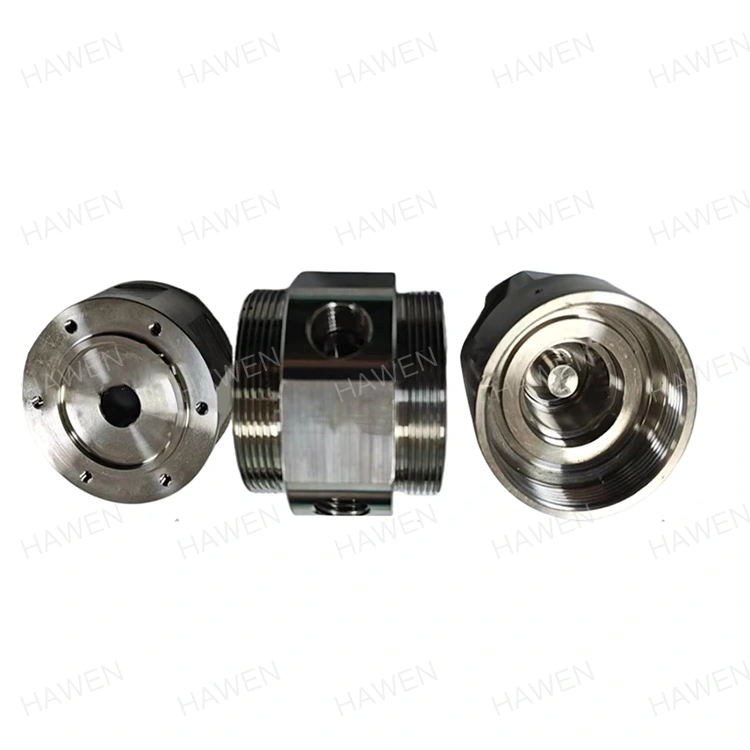
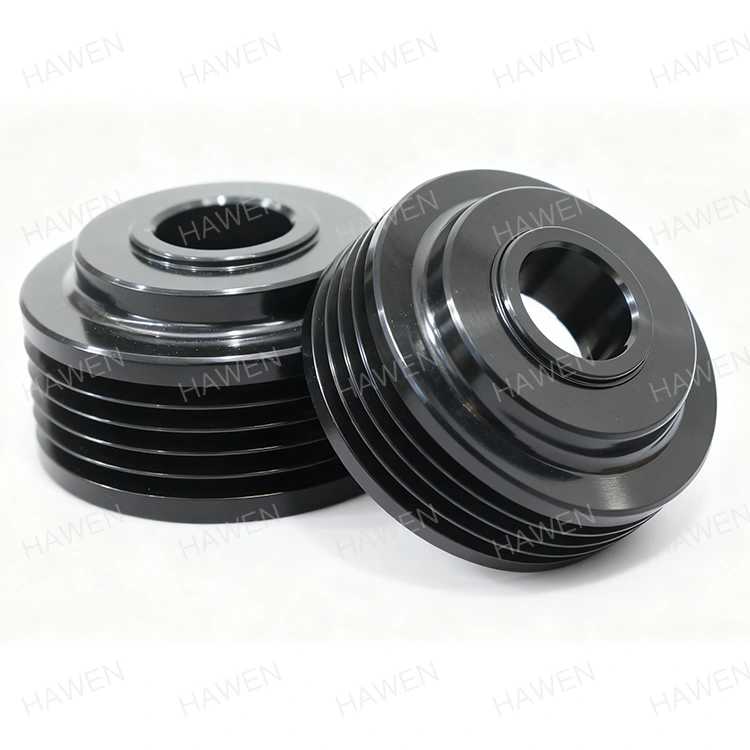
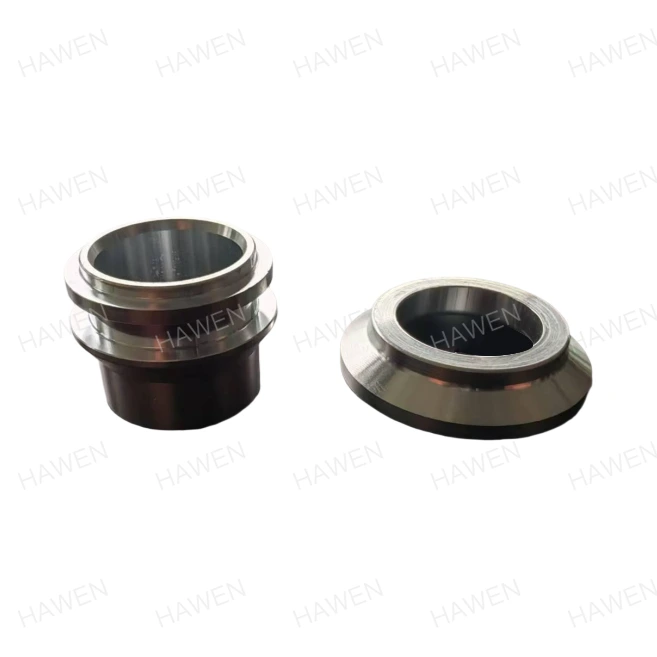
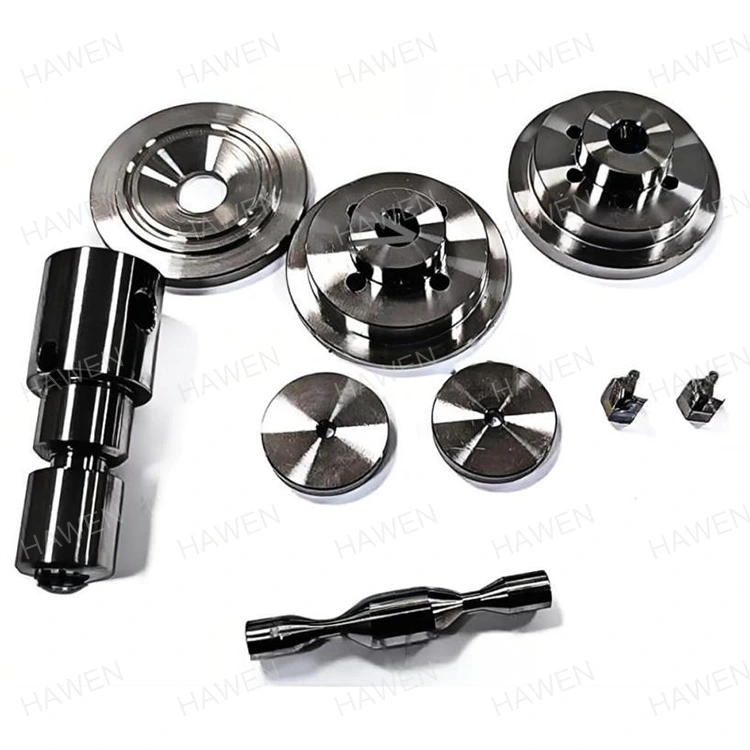
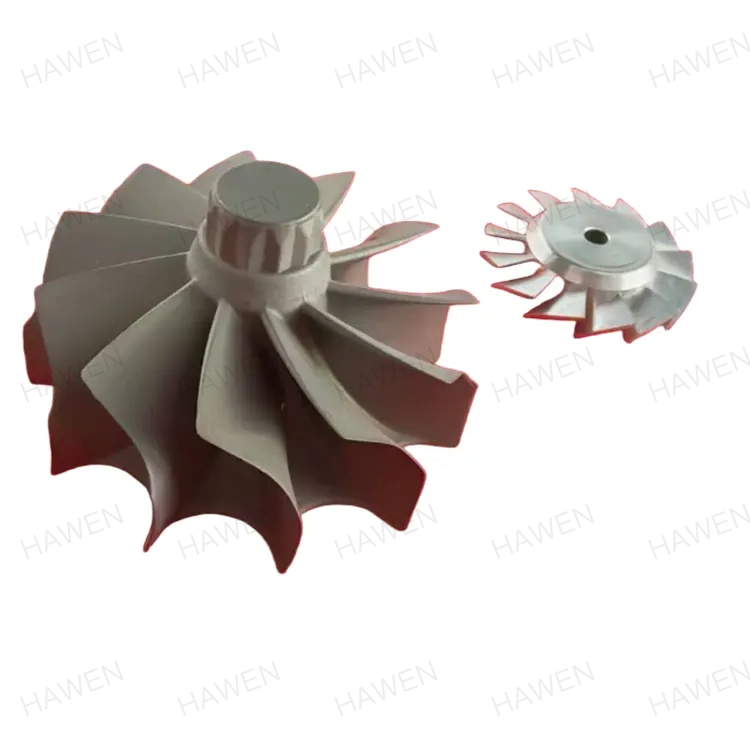
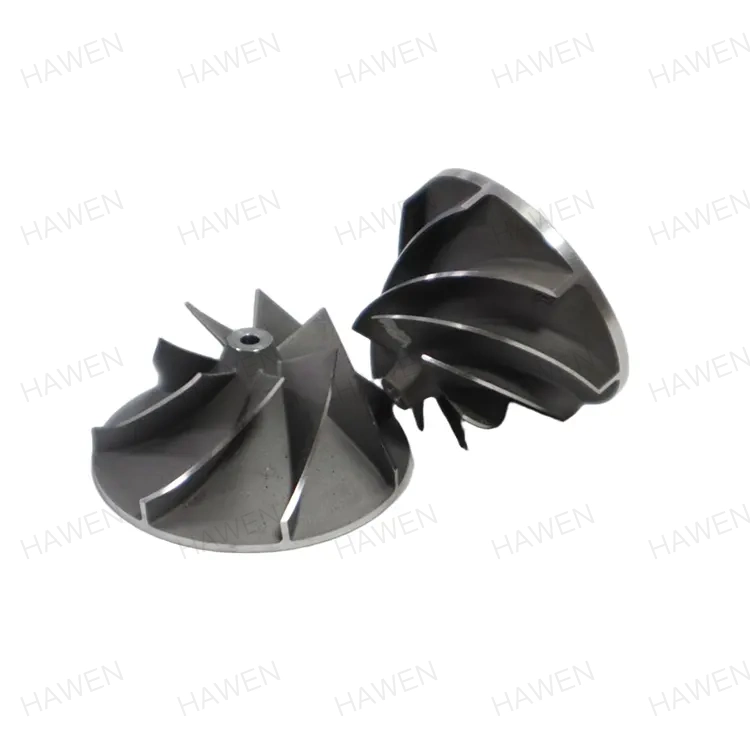
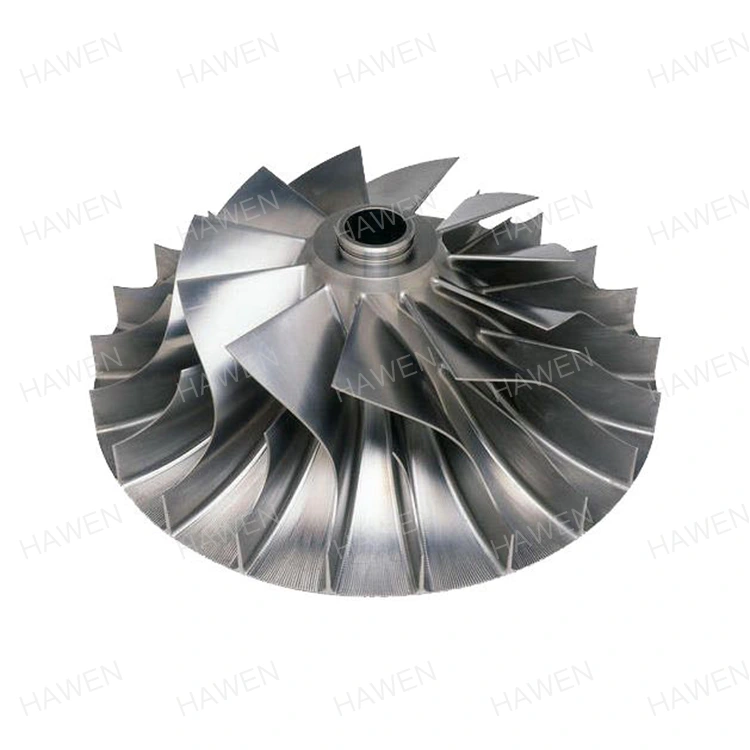
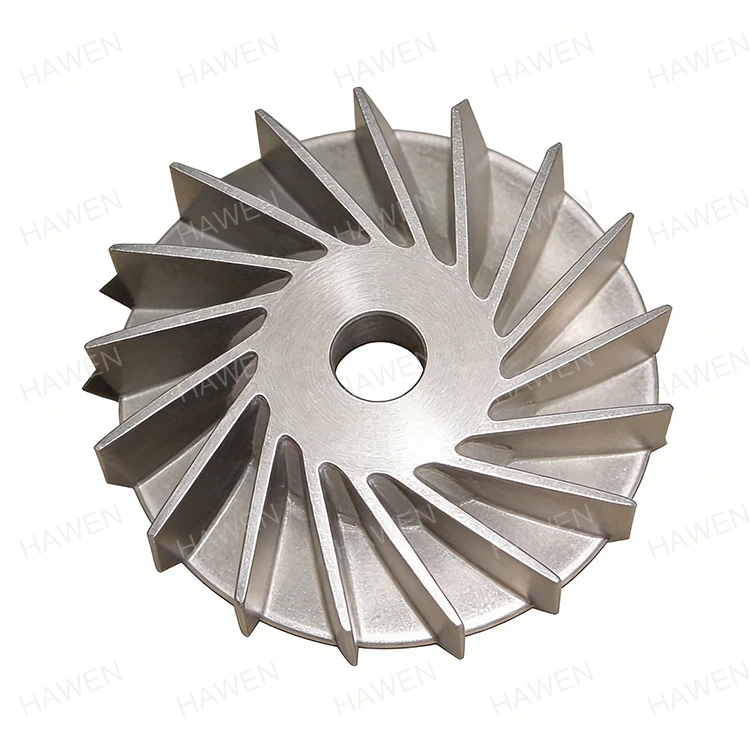
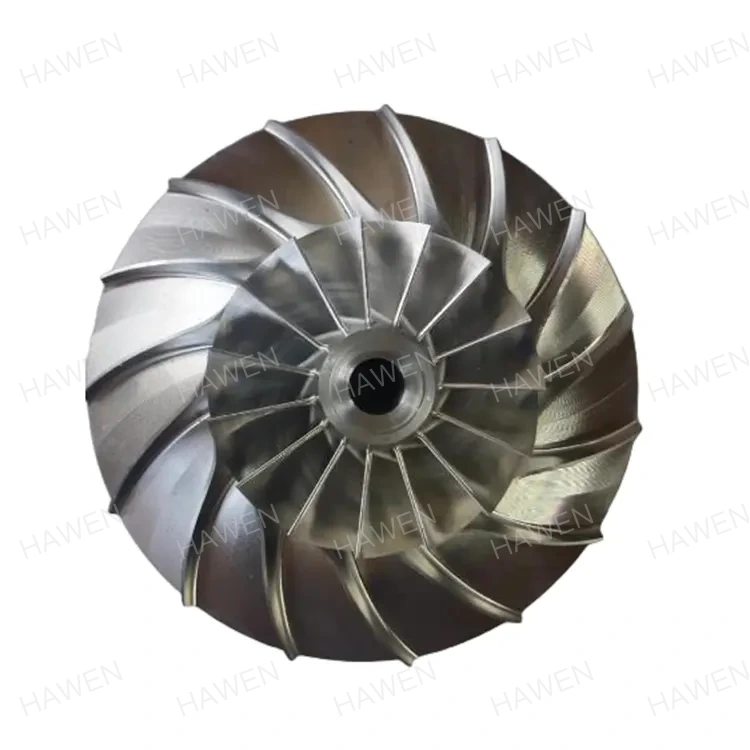
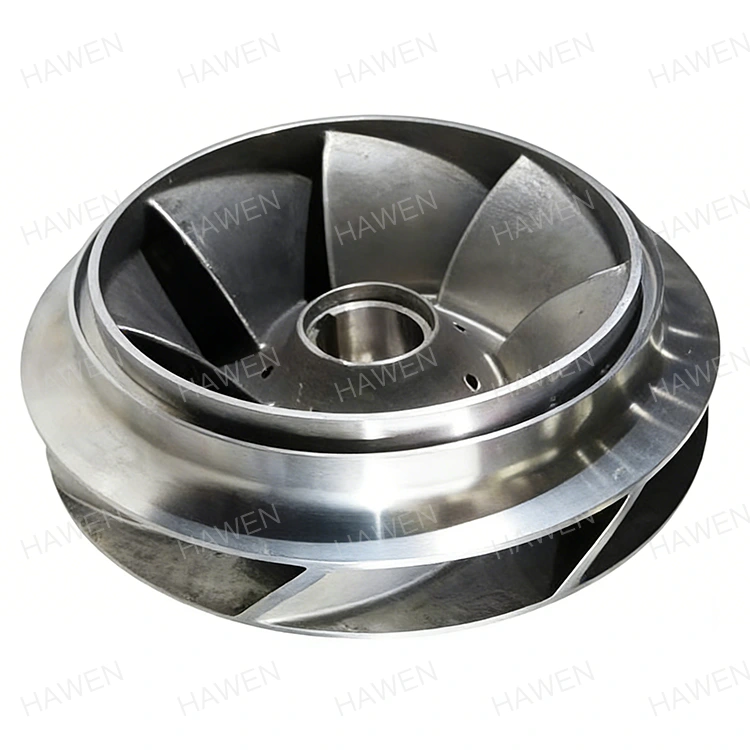
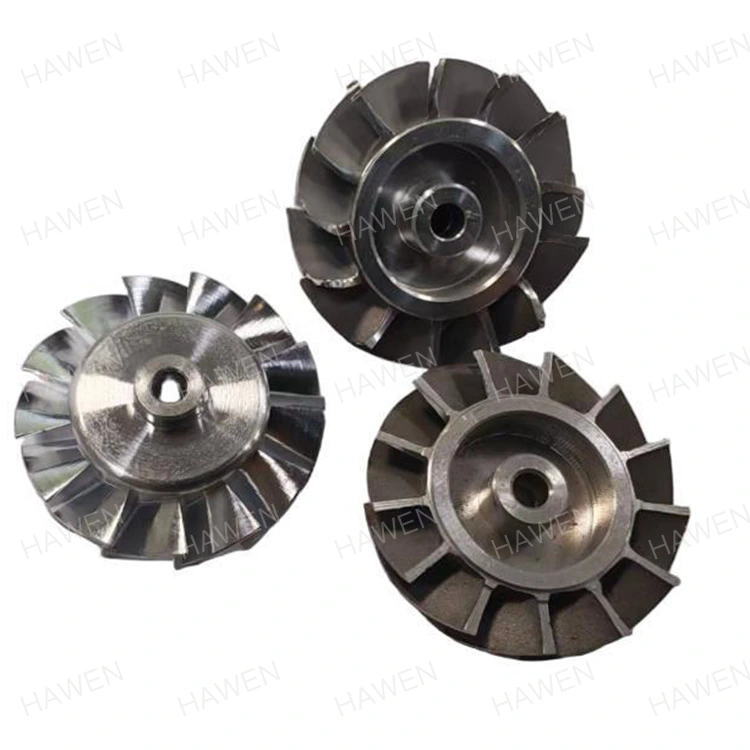
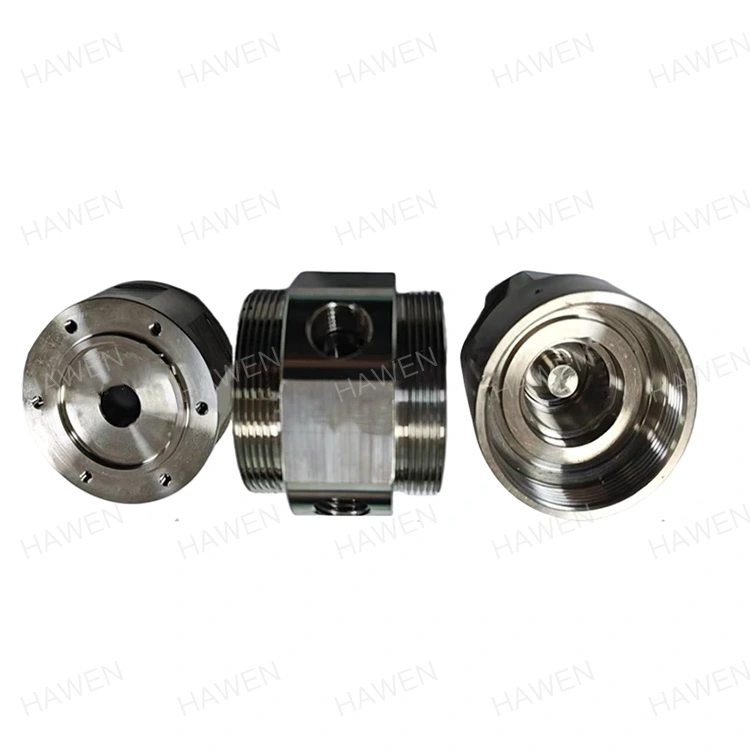
HAWEN, a leading manufacturer and supplier, offers precision Investment Casting Stainless Steel Impeller solutions engineered for superior chemical and marine durability. By combining high-grade alloys with advanced manufacturing, this component delivers long-term operational stability. Sourced directly from our state-of-the-art facility, it meets strict international quality benchmarks for demanding fluid handling systems worldwide.
HAWEN is a premier China-based manufacturer and supplier specializing in custom Investment Casting Stainless Steel Impeller units for heavy-duty industrial pumps. Engineered to withstand highly corrosive media, acidic environments, and saline solutions, these components provide optimized hydraulic efficiency and dynamic stability. Utilizing high-grade alloys—including 304, 316, and 2205 Duplex—our production process guarantees precise tolerances, smooth fluid passages, and minimal maintenance costs. Partner with our engineering team for reliable OEM solutions designed to extend equipment service life in harsh operating conditions.
Precision Casting Technology for Complex Impeller Structures
Modern industrial fluid transport systems, high-head chemical process pumps, and specialized marine circulation systems demand precise internal vane geometry, balanced dynamic profiles, and smooth hydraulic flow passages. Traditional sand casting methods or multi-piece welded fabrications frequently fall short when attempting to produce intricate internal channels without introducing surface roughness, dimensional inaccuracies, or structural weakness. The implementation of silica sol investment casting resolves these engineering limitations by replicating complex CAD models with strict dimensional accuracy directly into solid metal.
This precision manufacturing approach eliminates traditional joint lines and stress concentration points, producing a unified structure that optimizes fluid dynamics from the moment media enters the suction eye until it exits the discharge volute. By utilizing high-density ceramic molds and vacuum-assisted pouring techniques, the resulting components achieve near-net shapes that drastically reduce the necessity for extensive post-casting metal removal.
Structural Integrity: Delivers a homogenous metal grain structure devoid of internal gas porosity, shrink holes, or cold shuts common in lower-grade casting methods.
Near-Net Shape Efficiency: Achieves ultra-tight dimensional tolerances directly from the ceramic shell mold, saving raw alloy material and shortening downstream CNC finishing cycles.
Uniform Wall Thickness: Maintains consistent wall dimensions across shrouded and open sections, ensuring balanced stress distribution under high internal hydraulic pressures.
Versatile Structural Options
Closed Design: Incorporates front and rear shrouds to enclose the liquid passages completely. This configuration delivers maximum hydraulic efficiency and high head pressures when handling clear, non-aggregating fluids.
Semi-Open Design: Features a rear shroud only, paired with open vane faces. It provides an optimal balance of structural strength and clearance, preventing particle accumulation when pumping media with moderate solid counts.
Open Design: Completely eliminates front and rear shrouds, exposing the vanes directly to the casing. This layout is engineered specifically for pumping heavy slurries, highly viscous liquids, or fluids containing long fibers.
Key Advantages of Stainless Steel Material
Material selection serves as the primary defense against premature mechanical failure, galvanic corrosion, and chemical degradation in aggressive liquid environments. Utilizing high-grade alloy formulations ensures that internal components maintain structural integrity, surface smoothness, and dimensional stability even when subjected to continuous exposure to aggressive chemicals, brackish water, or extreme operational temperatures.
Selecting an investment casting stainless steel impeller over conventional carbon steel or cast iron drastically reduces total lifecycle costs by extending continuous run times and lowering the frequency of unplanned system shutdowns. The inherent chromium content forms a self-healing passive oxide film that insulates the underlying metal matrix from ongoing chemical attack.
Alloy Grades and Performance Benefits
Grade 304 Alloy: Serves as a versatile baseline offering dependable resistance against general atmospheric oxidation, organic acids, and neutral industrial process liquids.
Grade 316 Alloy: Enhanced with 2-3% molybdenum content, this grade demonstrates exceptional resistance to pitting and crevice corrosion in chloride-rich media, solvents, and acidic process streams.
2205 Duplex Alloy: Combines a mixed austenitic-ferritic microstructure to deliver twice the yield strength of conventional austenitic alloys alongside superior immunity to stress corrosion cracking in high-salinity seawater environments.
Manufacturing Process and Quality Control
Delivering high-performance components for demanding industrial applications requires rigorous quality control across every phase of production. From the initial injection of high-purity wax patterns to the final dynamic balancing verification, each manufacturing step is governed by standardized quality assurance protocols.
Advanced foundry techniques ensure that chemical composition strictly matches international material specifications, while automated non-destructive testing equipment detects latent internal flaws before finished products leave the manufacturing facility floor.
Verification and Inspection Protocols
Spectrographic Heat Analysis: Every melt batch undergoes optical emission spectrometry to verify that elemental compositions align precisely with ASTM, DIN, and ISO material standards.
3D Coordinate Measurement: High-precision CMM inspection verifies critical dimensions, blade angles, eye diameters, and hub configurations against exact customer engineering drawings.
ISO 1940 Dynamic Balancing: Every unit is dynamically balanced to G6.3 or higher standards on automated balancing rigs to eliminate rotational vibration, reduce bearing stress, and ensure whisper-quiet pump operation.
Chemical Surface Passivation: Finished parts undergo controlled acid pickling and passivation to strip away free iron particles, enriching the protective chromium oxide surface layer.
Non-Destructive Testing (NDT): Dye penetrant inspection and liquid dye testing are applied to critical stress zones to guarantee complete freedom from surface-breaking micro-cracks or pinholes.
Performance Benefits in Fluid Applications
Integrating an investment casting stainless steel impeller into industrial fluid handling systems directly yields significant operational efficiencies, lower energy consumption, and extended machinery service life. Smooth internal fluid passages significantly reduce internal fluid drag, allowing electric drives to operate at peak efficiency across varying duty points.
Furthermore, the high mechanical hardness and toughness of high-grade stainless alloys provide exceptional immunity to droplet erosion and localized cavitation pitting, ensuring that the pump maintains its original head and flow performance ratings over years of continuous service.
Operational Impact
Extended Service Intervals: Outstanding wear resistance protects against erosion caused by high-velocity liquid flow and fine suspended particulates.
Lower Total Cost of Ownership: Minimal surface fouling and zero rust scale build-up translate to fewer maintenance interventions, lower spare part consumption, and minimized operational downtime.
Consistent Hydraulic Output: Stable vane geometries prevent flow degradation over long operating cycles, ensuring predictable process flow rates and stable system pressure profiles.
Vibration Reduction: Dynamic balance precision prevents shaft deflection, protecting mechanical seals and drive bearings from premature mechanical wear.
Industrial Applications
Engineered for maximum reliability in critical infrastructure and harsh industrial settings, these precision-cast components perform impeccably across a wide spectrum of demanding sectors where component failure is not an option.
Industrial Water Treatment & Desalination: High-pressure reverse osmosis feed systems, brackish water circulation, and seawater intake processing facilities.
Chemical & Petrochemical Processing: Safe handling of concentrated acids, alkaline solutions, organic solvents, and corrosive chemical bypass streams.
Marine & Offshore Machinery: Critical seawater cooling circuits, bilge management, ballast transfer systems, and offshore platform fire pump units.
Food, Beverage & Dairy Processing: Hygienic transfer of edible liquids, syrup concentrates, and washdown solutions requiring non-contaminating, passivated smooth surfaces.
Pharmaceutical & Biotechnology Manufacturing: Ultrapure liquid transfer and reactive broth circulation where high surface finish standards prevent bacterial adhesion.
Pulp, Paper & Textile Processing: Handling fibrous slurries, aggressive bleaching agents, and high-temperature dye fluids without clogging or corrosion.
Technical Specifications
The operational capabilities and technical parameters of this component line are summarized in the comprehensive engineering reference table below:
Technical Parameter
Standard Capabilities & Specifications
Material Alloy Grades
Stainless Steel 304, 316, 316L, 2205 Duplex, Special Super Duplex
To meet the diverse requirements of OEM machinery manufacturers and global engineering projects, comprehensive custom production services are available directly from digital design assets or physical physical prototypes. Operating with advanced 3D modeling and fluid simulation tools, engineering teams collaborate directly with equipment developers to refine blade angles, hub connections, and shroud clearances for optimal performance in custom pump casings.
Whether producing one-off prototypes for specialized fluid systems or scaling up to high-volume OEM batch production, flexible tooling setup and precision machining capabilities guarantee rapid lead times and exact compliance with strict engineering tolerance specifications.
Custom Engineering Options
Drawing-Based Production: Direct manufacturing based on customer-supplied 2D CAD drawings, 3D STEP/IGES models, or physical sample reverse engineering.
Custom Hub & Keyway Tooling: Tailored shaft bore dimensions, splines, thread mounts, and drive keyways to match proprietary motor shaft interfaces.
Hydraulic Profiling: Modification of blade count, outlet angle, and shroud geometry to optimize head-flow curves for specific duty conditions.
Specialized Surface Coatings: Application of wear-resistant or friction-reducing surface treatments for ultra-abrasive slurry environments.
Comparative Advantages
Understanding how different metallic alloys perform under severe working conditions helps plant managers and equipment designers choose the correct material for long-term operational success. The comparison table below highlights key performance differences between common structural alloys used in fluid equipment manufacturing:
Performance Metric
Investment Casting Stainless Steel Impeller
Standard Carbon Steel Component
Cast Iron Component
Aluminum / Alloy Component
Corrosion Resistance
Exceptional across acids, alkalis & seawater
Poor; vulnerable to rapid rust & pitting
Low; prone to severe oxidation & scaling
Moderate in neutral media; poor in acids/alkalis
Erosion & Wear Resistance
High mechanical hardness resists fluid erosion
Moderate initial hardness, degrades quickly
Low hardness, suffers cavitation damage
Low hardness, wears rapidly under high flow
Maintenance Frequency
Low; extended service life cycles
High; frequent rust removal & replacement
High; susceptible to cracking & scaling
Medium to High; frequent replacement needed
Chemical Compatibility
Broad spectrum (pH 1 to 14 depending on grade)
Very narrow; restricted to non-corrosive oil/gas
Narrow; limited to clean water and neutral fluids
Narrow; restricted to neutral low-viscosity fluids
Dimensional Stability
High resistance to thermal and physical deformation
Moderate stability under static mechanical loads
Brittle; prone to sudden mechanical fracturing
Low thermal stability under high-head friction
Why Choose Us
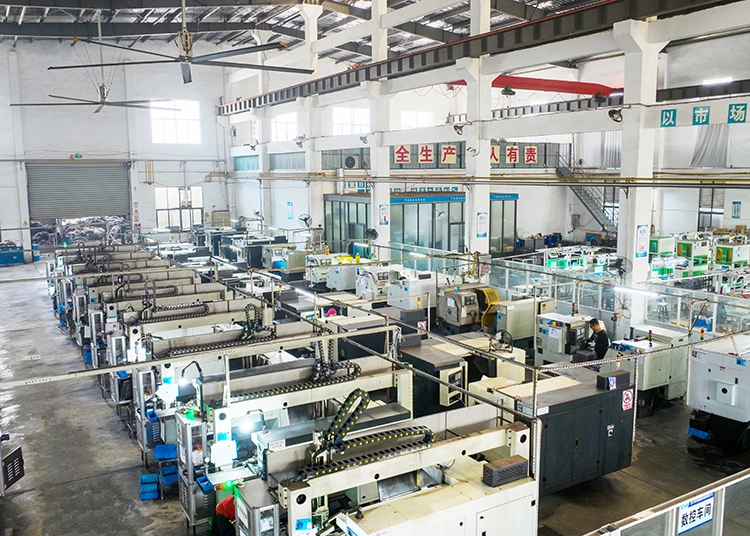
Choosing the right manufacturing partner is as critical as selecting the right raw materials. As a specialized production hub operating under modern quality management systems, our facility combines advanced metallurgical casting technology with comprehensive precision finishing services to deliver high-performance components across global markets.
Proven Manufacturing Heritage: Deep engineering roots in precision mechanical processing, backstopped by modern production infrastructure and decades of industry progress.
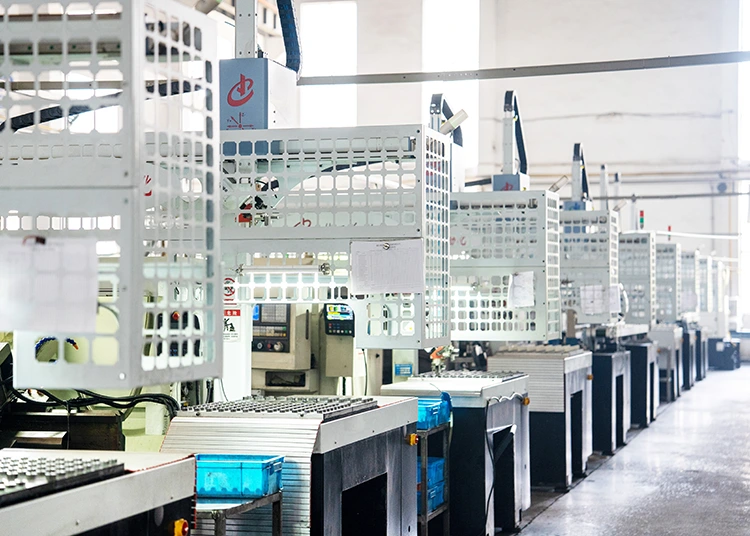
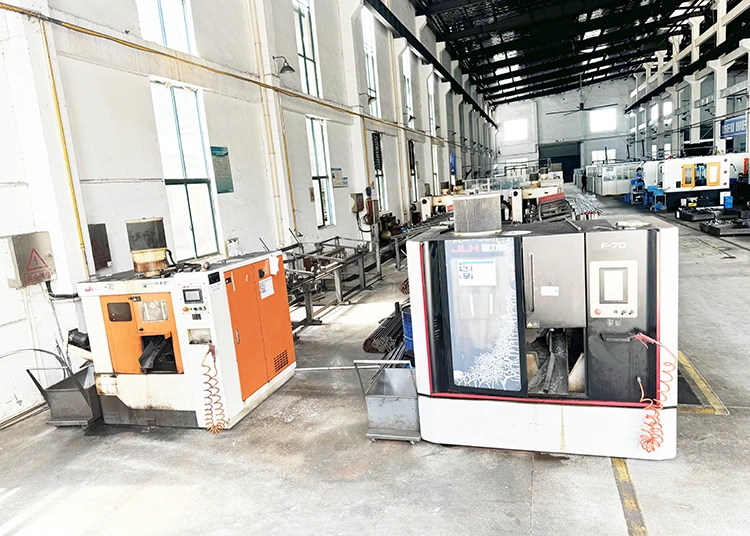
Robust Production Capacity: Modern casting foundries and automated CNC finishing lines capable of supporting large-scale manufacturing quotas with stable turnaround schedules.
In-House Quality Control: Fully integrated inspection laboratories equipped with CMM, OES spectrographs, dynamic balancing units, and non-destructive testing suites.
Global Engineering Support: Experienced technical teams offering dedicated support for material selection, rapid prototyping, and CAD-to-foundry tooling optimization.
End-to-End Traceability: Complete material certification, inspection records, and dimensional verification reports supplied with every production batch.
Frequently Asked Questions (FAQ)
Q1: What is the primary operational advantage of choosing silica sol investment casting over conventional sand casting?
Silica sol investment casting provides significantly smoother surface finishes (typically Ra 3.2 µm or better as-cast) and tighter dimensional tolerances. This results in superior internal hydraulic efficiency, lower fluid friction, reduced cavitation risk, and minimal post-casting machining work compared to rough sand-cast parts.
Q2: Which stainless steel alloy grade should be selected for high-salinity seawater pumping systems?
While Grade 316 provides adequate corrosion resistance for general chloride solutions, 2205 Duplex alloy is highly recommended for concentrated seawater, offshore circulation, and desalination systems. 2205 Duplex offers superior resistance to pitting, crevice corrosion, and stress corrosion cracking along with twice the mechanical yield strength of standard 300-series alloys.
Q3: How does dynamic balancing according to ISO 1940 standard improve fluid equipment longevity?
Dynamic balancing eliminates asymmetrical mass distribution across the rotating component. Balancing to ISO 1940 G6.3 or G2.5 standards drastically minimizes radial and axial vibration during operation, preventing premature failure of pump bearings, mechanical shaft seals, and electric drive couplings.
Q4: Can an investment casting stainless steel impeller be modified to handle liquids with high solid contents?
Yes. By specifying a semi-open or open design configuration during the custom casting stage, internal clearance gaps are maximized. This allows fluids containing suspended particulates, small solids, or fibrous media to pass through the pump casing freely without causing internal clogging or rapid vane erosion.
Q5: What surface treatment methods are recommended to maximize chemical resistance?
Chemical pickling and passivation treatments are recommended as standard practice to remove residual surface iron contaminants and optimize the natural protective chromium-oxide layer. For high-purity hygienic applications, mechanical mirror polishing or electropolishing can be applied to reduce surface roughness down to Ra 0.4 µm, preventing bacterial adhesion and scale accumulation.
Q6: What technical documentation and quality assurance reports are provided with custom orders?
Standard delivery documentation includes chemical material mill certificates (EN 10204 3.1), dimensional CMM inspection sheets, dynamic balancing test certificates, and heat treatment process records to ensure full material traceability and operational compliance.
Hot Tags: Investment Casting Stainless Steel Impeller, Manufacturer, Supplier, Factory
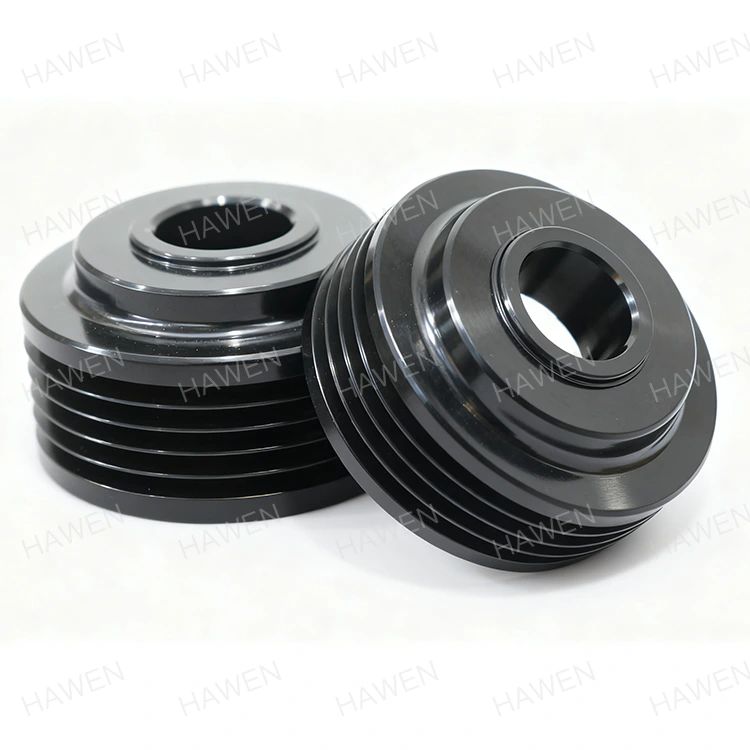
We are a professional manufacturer of pulleys and machining components series ,Our products have been exported to Italy ,Turkey Japan and many others countries for many years.For more details,please feel free to contact us through email or phone directly,We will quote you an accurate price when got you your drawings and specifications.
HAWEN technology is trustworthy!
Looking forward to your Inquiry! Thank you!
We use cookies to offer you a better browsing experience, analyze site traffic and personalize content. By using this site, you agree to our use of cookies.Privacy Policy